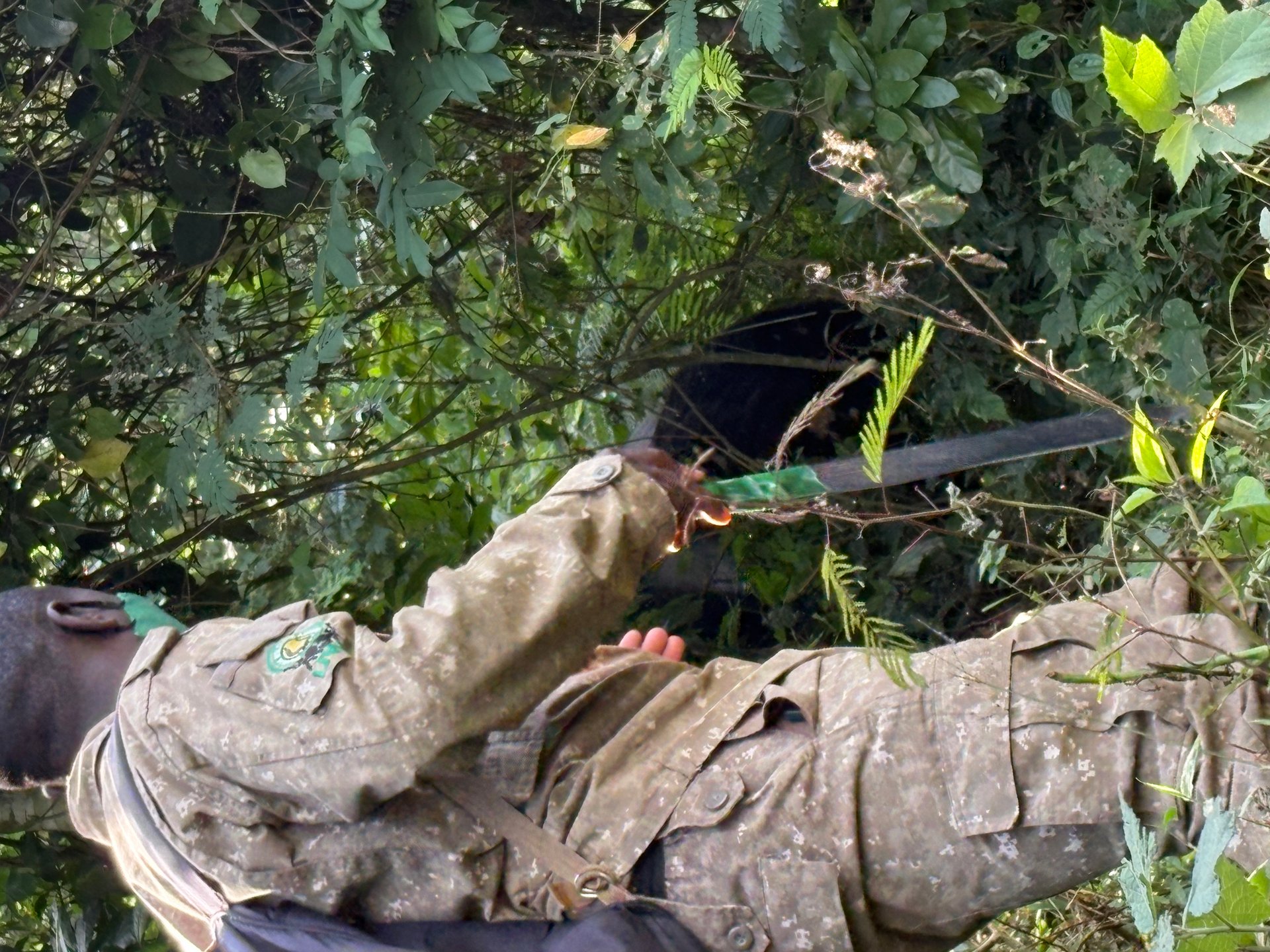
August is Buhoma at full throttle. The dry season is at its peak, with warm days of 21 to 25 degrees Celsius and just 60 to 90 mm of rainfall. Trail conditions are excellent, and every gorilla trekking permit is spoken for. This is the busiest month of the year — lodges are full, the briefing area is crowded with excited trekkers, and the village economy runs at maximum capacity. For travelers who plan far ahead and want the most comfortable conditions, August is the classic choice. For those who prefer quiet, look elsewhere on the calendar.
Quick Facts
- Temperature (Day):
- 21-25°C
- Temperature (Night):
- 12-13°C
- Rainfall:
- 60-90 mm (dry)
- Season:
- Peak dry season
- Gorilla Permits:
- Extremely scarce — book 5-6 months ahead
- Tourist Density:
- Highest of the year
- Best Activity:
- Classic gorilla trekking in prime conditions
Weather and Landscape in August
August extends the dry season with warm, settled weather. It is marginally warmer than July — the accumulated weeks of sunshine have dried the soil thoroughly, and midday temperatures in open areas can touch 25 degrees. The warmth is pleasant rather than oppressive, tempered by the altitude and by cool air flowing from the forest.
The landscape has shifted from the explosive green of the wet season to a more mature palette. The hillside grasses are still green but less vivid, and some of the lower herbs along the forest edge show signs of the extended dry spell. The forest canopy, sustained by deep root systems and stored moisture, remains solidly green — but the forest floor is drier than at any other time of year. Leaf litter crunches underfoot in places.
Late August sometimes hints at the seasonal turn. Afternoon clouds build more consistently along the western ridgeline, and the occasional brief shower suggests the distant approach of October's rains. But these are whispers, not statements — August remains firmly dry and sunny for the vast majority of days.
Village Life in August
The Buhoma economy peaks in August. Tourism revenue is at its annual high, and the ripple effects touch every household. Guides, porters, lodge staff, craft sellers, cooks, drivers, and laundry workers are all in maximum demand. Young people who might otherwise struggle for employment find seasonal work carrying bags, clearing trails, or assisting at lodges.
The markets reflect the prosperity. Traders from neighboring towns bring goods that cater to both local and tourist demand — fresh bread, imported toiletries, phone accessories, and batteries alongside the usual produce. The small shops along the main road stock up on water, snacks, and basic supplies that visitors often need.
Socially, August is when Buhoma feels most connected to the outside world. Visitors from dozens of countries walk the village paths, and cultural exchange happens naturally in encounters between travelers and residents. Children practice English with willing tourists, craftspeople demonstrate their skills to appreciative audiences, and the stories exchanged over meals at community homestays bridge continents.
Gorilla Trekking in August
August trekking benefits from the driest conditions of the year. The trails have had three months of dry weather to compact and harden. Even the notorious muddy sections in the lower forest are reduced to slightly soft patches rather than the boot-sucking channels of the wet season. Walking is relatively easy by Bwindi standards.
With all available permits allocated, the forest hosts the maximum number of trekking groups each morning. This sounds crowded, but the reality inside the forest is different. Each group follows a different route to a different gorilla family, and within minutes of entering the tree line, other groups vanish. The forest is enormous — over 320 square kilometers — and the trekking routes fan out across the Buhoma sector in different directions.
The gorillas in August are healthy and active but may range further in search of specific foods as the dry season extends. Some tracking walks in August can be longer than in the wet months — 4 to 6 hours is not uncommon — as the gorillas move to fruit trees or bamboo stands that are at their most productive. The walking is easy, but the distance can add up. Fitness matters, even in the best conditions.