Buhoma is a small trading center in Kanungu District, southwestern Uganda, situated at the northern edge of Bwindi Impenetrable National Park. At roughly 1,500 meters elevation, it serves as the most popular gateway for mountain gorilla trekking and is home to a vibrant community whose livelihoods increasingly intertwine with conservation and responsible tourism.
Quick Facts
- Location:
- Kanungu District, southwestern Uganda
- Elevation:
- Approximately 1,500 m (4,920 ft)
- Population:
- Roughly 3,000 residents in the wider parish
- National Park:
- Bwindi Impenetrable National Park (northern sector)
- Climate:
- Tropical highland — 15 to 27 °C year-round
- Nearest Airstrip:
- Kihihi (about 1.5 hours by road)
- Drive from Kampala:
- 8 to 10 hours via Kabale or Ishasha
- Main Ethnic Group:
- Bakiga, with Batwa minority
Location and Geography
Buhoma lies in the rolling green hills of Kanungu District in Uganda's far southwest, just a few kilometers from the border with the Democratic Republic of the Congo. The village sits at the junction where farmland meets ancient rainforest — an ecological boundary that defines everything about life here.
The terrain around Buhoma is dramatically hilly. Red laterite roads wind through terraced hillsides planted with bananas, tea, beans, and sweet potatoes. To the south and east, the land drops steeply into the Bwindi Impenetrable Forest, one of the oldest and most biologically diverse rainforests in Africa. The Munyaga River valley runs below the village, carving a lush gorge that forms a natural boundary of the national park.
At approximately 1,500 meters above sea level, Buhoma enjoys a mild tropical highland climate. Temperatures rarely exceed 27 degrees Celsius during the day or drop below 15 degrees at night. Morning mist frequently rolls through the valleys, burning off by mid-morning to reveal views stretching across the Albertine Rift.
The People of Buhoma
The majority of Buhoma's residents belong to the Bakiga ethnic group, industrious highland farmers known across Uganda for their terracing skills and communal work ethic. The Bakiga settled these hills over centuries, clearing forest for agriculture and building a network of close-knit communities.
The Batwa (sometimes called Twa) are the original forest-dwelling inhabitants of the Bwindi region. For thousands of years, the Batwa lived as hunter-gatherers inside the forest. When Bwindi was gazetted as a national park in 1991, the Batwa were relocated to surrounding communities, including areas near Buhoma. Today, Batwa cultural experiences offer visitors a window into their traditions, while community programs work to support Batwa livelihoods and education.
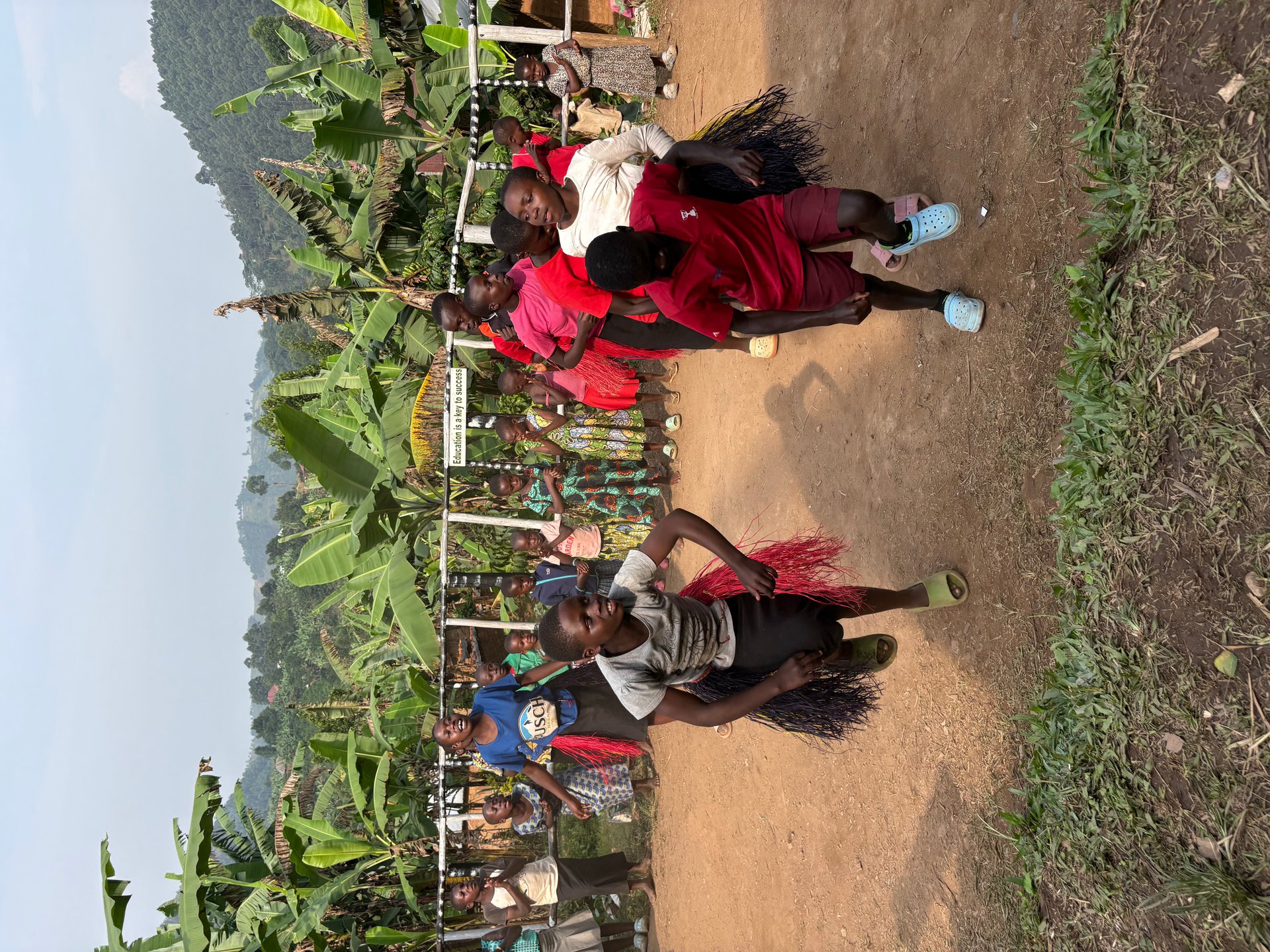
Daily life in Buhoma revolves around farming, small-scale trade, and increasingly, tourism. Women carry produce to the weekly market, children walk to local schools in neat uniforms, and motorcycle taxis (boda-bodas) buzz along the red-earth roads. The arrival of gorilla tourism has transformed the local economy, creating jobs in lodges, guiding, portering, crafts, and food supply.
Daily Life and Culture
Life in Buhoma follows the rhythms of the agricultural calendar and the steady flow of trekking visitors. Mornings begin early — farmers head to their plots while lodge staff prepare for the day's gorilla trekking departures. By 8 AM, groups of trekkers gather at the Uganda Wildlife Authority office for their briefing before heading into the forest.
The village itself is a linear settlement spread along the main road. Small shops sell essentials — soap, airtime, batteries, biscuits. Carpentry workshops produce furniture from local timber. Women's cooperatives weave baskets and bags from banana fiber and raffia. A handful of simple restaurants serve local food: matoke (steamed banana), beans, posho (maize meal), and chapati.
Music and dance are central to Bakiga culture. Community performances feature energetic drumming, call-and-response singing, and athletic dances that tell stories of harvests, courtship, and daily life. Visitors who join community walks often have the chance to witness or participate in these celebrations.
Religion plays an important role. Several churches dot the hillsides, and Sunday services are a major social event. Education is highly valued, and the community has rallied — often with tourism revenue — to build and maintain local schools.
Infrastructure and Services
Buhoma is a remote village by any standard, but it has developed a surprisingly robust tourism infrastructure. There are over a dozen lodges and guesthouses ranging from luxury forest camps (where gorillas sometimes wander through the grounds) to community-owned rest camps offering clean, simple rooms for budget travelers.
Electricity comes primarily from solar installations at lodges and a local micro-grid, supplemented by generators. Mobile phone coverage from MTN and Airtel is available, and most lodges provide Wi-Fi, although speeds are modest. There is no bank or ATM in Buhoma — the nearest are in Butogota (about 17 km away) or Kihihi. Visitors should bring sufficient cash in Ugandan shillings or US dollars.
A basic health center serves the community, though serious medical cases are referred to hospitals in Kanungu town or Kabale. The road from Butogota to Buhoma is unpaved and can become muddy during heavy rains, though it is maintained and passable year-round with a capable vehicle.
Getting to Buhoma
Most visitors reach Buhoma by one of three routes. The most common is a road transfer from Kampala, which takes 8 to 10 hours via the Kabale-Kanungu road. The drive is long but scenic, passing through the agricultural heartlands of western Uganda with views of crater lakes and terraced hillsides.
A faster option is a charter or scheduled flight from Entebbe or Kajjansi Airfield to Kihihi Airstrip, followed by a roughly 90-minute drive to Buhoma. Aerolink Uganda and Fly Uganda operate regular flights.
For those combining Bwindi with Queen Elizabeth National Park, the scenic route through the Ishasha sector (famous for tree-climbing lions) connects directly to Buhoma, making for an unforgettable journey through some of Uganda's finest landscapes.
For detailed transport information, read our comprehensive Buhoma Travel Guide.
Why Buhoma Matters
Buhoma is more than a convenient base for gorilla trekking. It is a living example of how conservation and community development can reinforce each other. When tourists spend money at local lodges, eat at community restaurants, hire local porters, and buy handcrafted souvenirs, that revenue circulates through the village economy and provides a powerful incentive to protect the forest and its gorillas.
Uganda Wildlife Authority's revenue-sharing program channels a percentage of gorilla trekking permit fees directly to parishes bordering the park. In the Buhoma area, these funds have built schools, health facilities, water systems, and roads. The message is clear: the gorillas bring tangible benefits, and the community has every reason to protect them.
Learn more about these efforts on our Community and Conservation page.
Frequently Asked Questions
Explore More
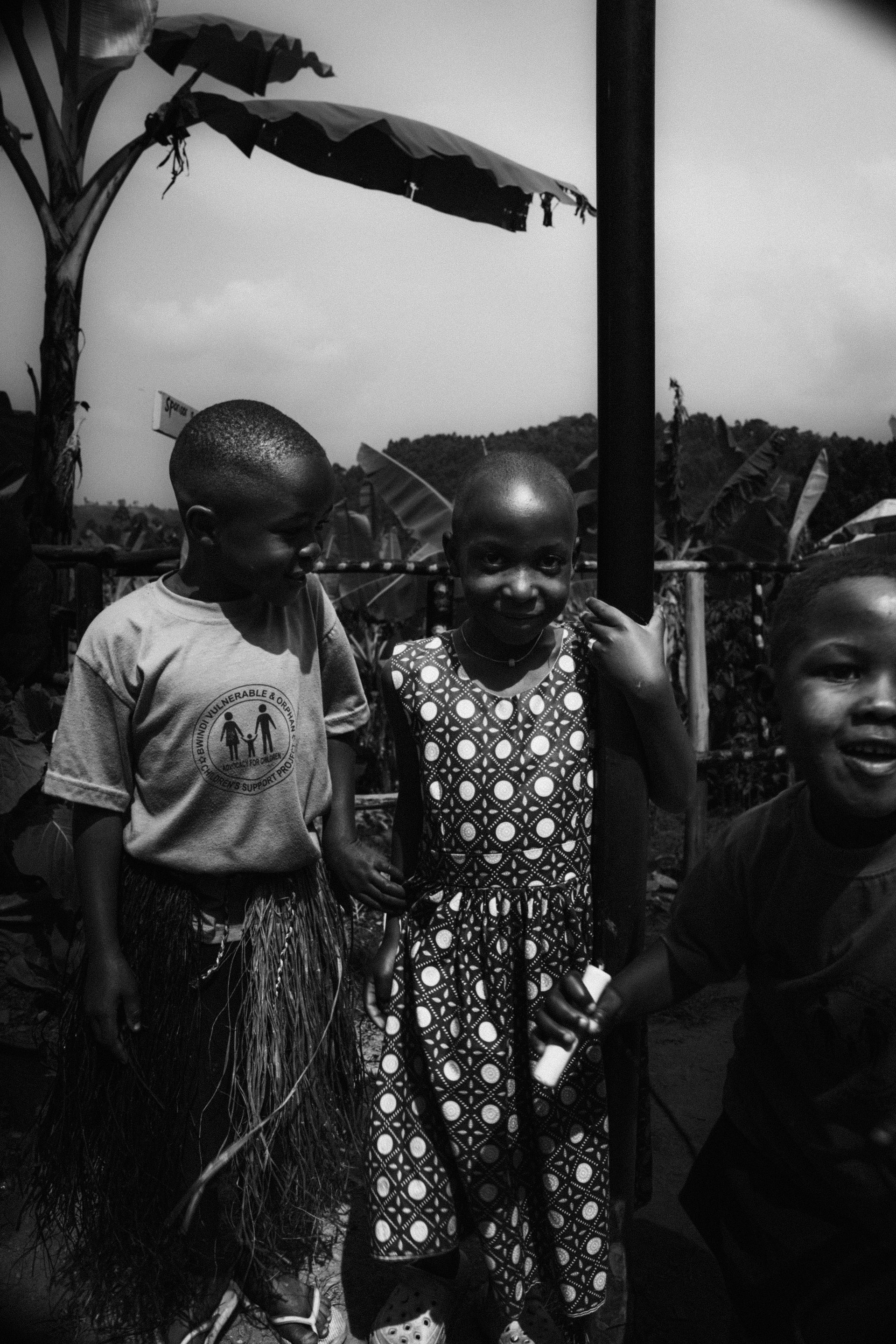
History of Buhoma
From ancient forest dwellers to the birth of gorilla tourism — discover the full story of Buhoma.
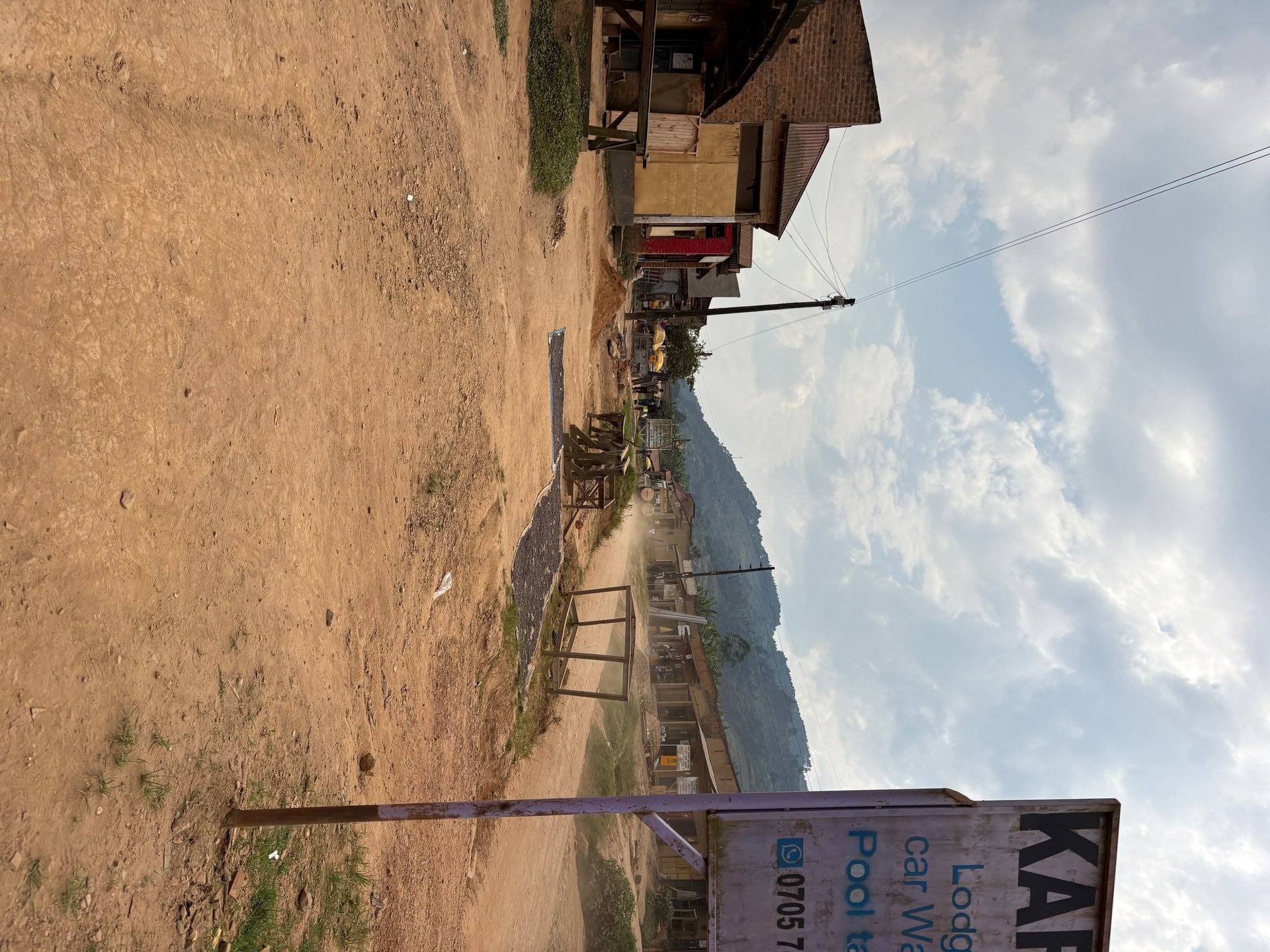
Tourism in Buhoma
Gorilla trekking, community experiences, birdwatching, and more — everything you can do in Buhoma.
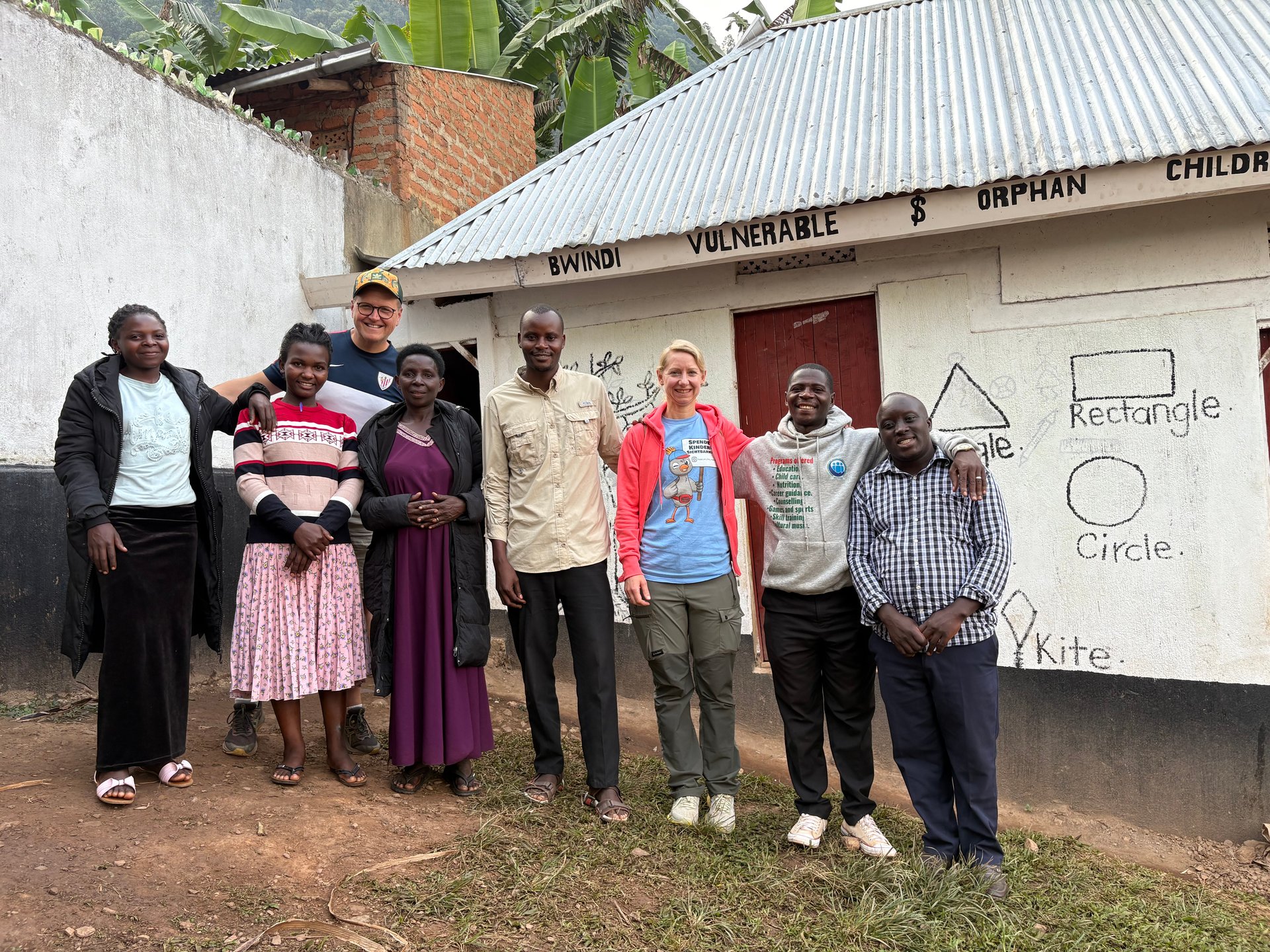
Gorilla Trekking
Complete guide to tracking mountain gorillas in Bwindi from the Buhoma sector.
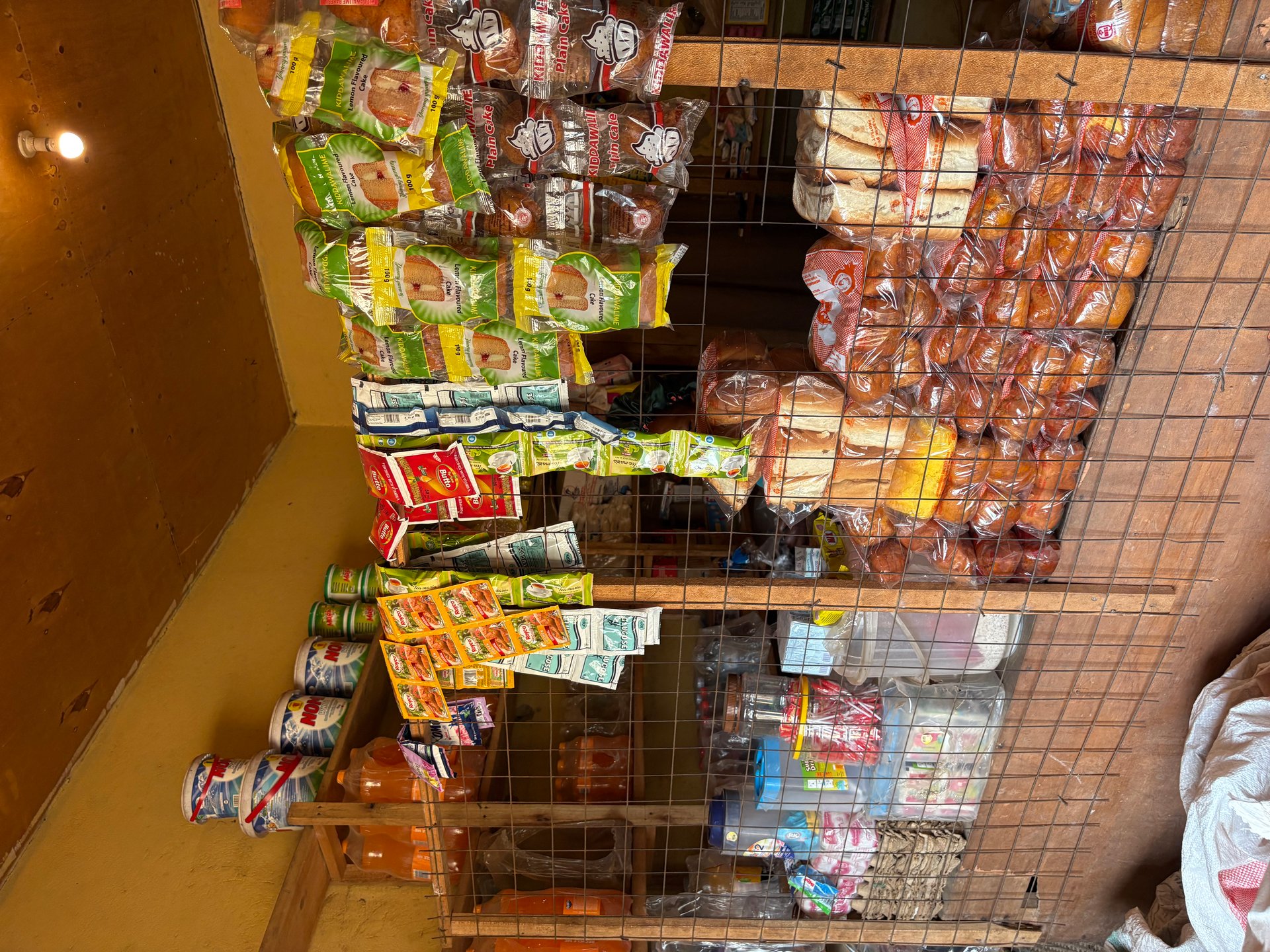
Where to Stay
Lodges, camps, and guesthouses in Buhoma for every budget.
Things to Do
Community walks, coffee tours, Batwa experiences, and forest hikes.
Travel Guide
How to get to Buhoma, what to pack, costs, and practical tips.