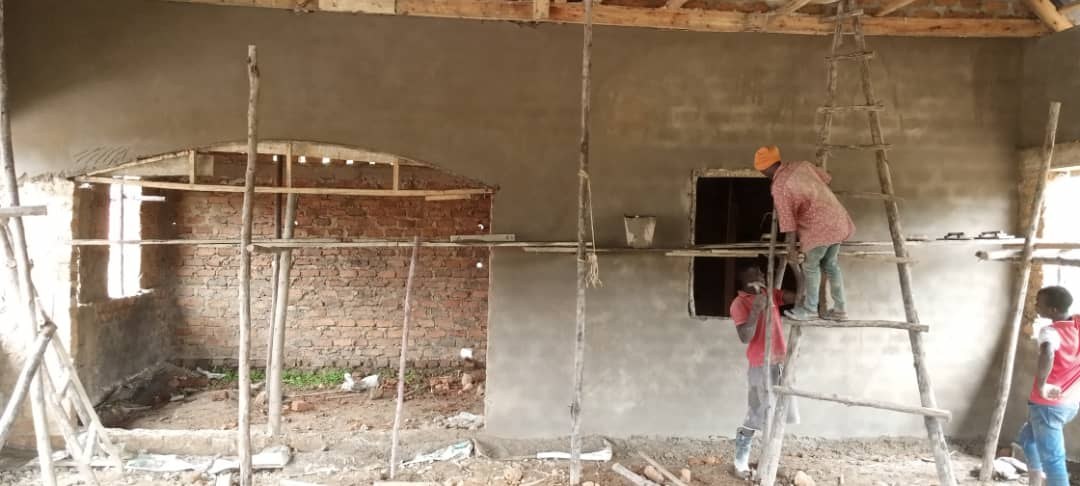
Bwindi Community Hospital serves over 100,000 people near Buhoma, Uganda, providing medical care, surgery, maternal health services, and HIV treatment where no hospital existed before 2003. Founded by Dr. Scott Kellermann, it is the only hospital serving the remote communities around Bwindi Impenetrable National Park.
Quick Facts
- Founded:
- 2003 by Dr. Scott Kellermann
- Location:
- ~2 km from Buhoma park gate
- Catchment:
- 100,000+ people
- Type:
- Nonprofit community hospital
- Services:
- Medical, Surgical, Maternal, HIV, Dental
- Visitors Welcome:
- Yes, tours can be arranged
Before the Hospital
What life looked like without healthcare
No clinic. No pharmacy. No ambulance. No trained medical professional within a day's walk. The communities around Buhoma — farming families on steep hillsides, displaced Batwa on the forest margins — had no access to modern healthcare of any kind.
28 years
Batwa life expectancy
100 km
to nearest hospital
0
clinics in Buhoma area
1 day+
travel to reach care
Women gave birth at home, attended by traditional midwives whose experience was invaluable but whose resources were limited. When a delivery went wrong — hemorrhage, obstructed labor — there was nowhere to go. The nearest hospital was in Kabale, roughly 100 kilometers away on roads often impassable during the rainy season.
Children died of malaria, pneumonia, and diarrheal diseases — conditions treatable with basic medicine but fatal without it. The Batwa, displaced from the forest and cut off from their traditional medicinal plants, were hit hardest.
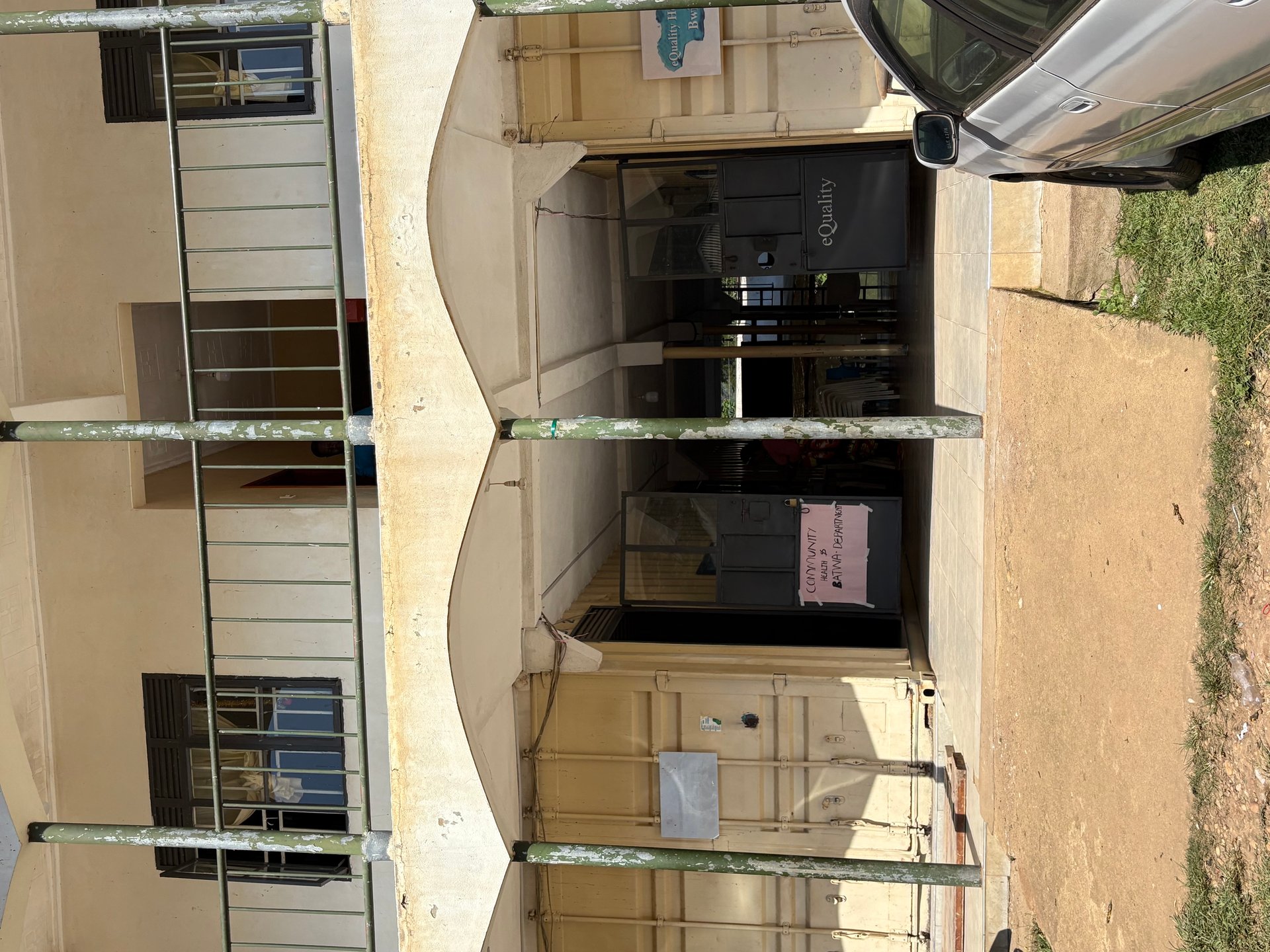
The same mountains that drew tourists to see gorillas kept an entire population locked out of basic medical care.
Dr. Kellermann and the Beginning
From research project to lifeline
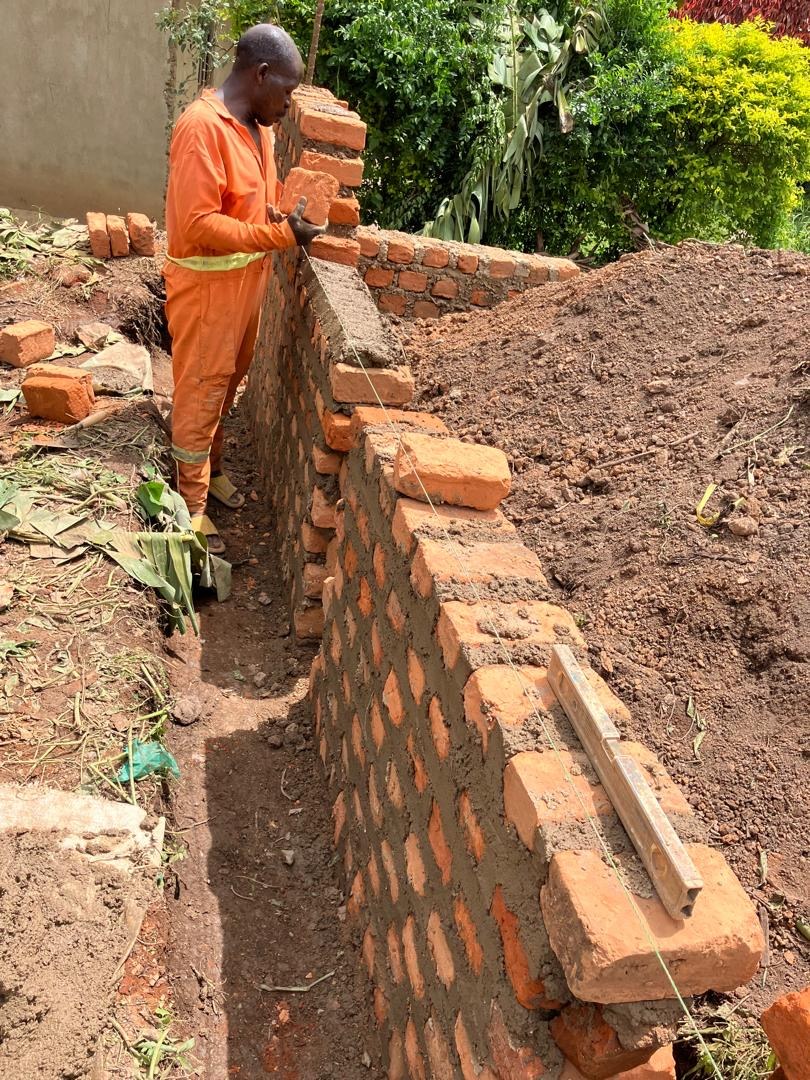
Dr. Scott Kellermann first came to Buhoma in the late 1990s as a public health researcher studying the Batwa displacement. What he found was a community in medical crisis — not just the Batwa, but everyone.
With his wife Carol, he began providing basic care from a small structure near Buhoma. Patients walked for hours to reach him. What started as research became a mission, and the mission became a hospital.
Timeline
Late 1990s
Dr. Kellermann arrives to research Batwa health — discovers a region with zero healthcare infrastructure
2003
Small clinic opens near Buhoma, immediately overwhelmed by demand from surrounding communities
Mid-2000s
Operating rooms, maternity wards, and laboratory equipment arrive through sustained fundraising
Today
Full hospital serving 100,000+ people with surgery, maternal care, HIV treatment, and village outreach
The hospital was not parachuted in from outside. It was built with the community, by the community, for the community. Local people were involved in governance from the start. Staff were recruited and trained from surrounding villages — creating a healthcare system rooted in local knowledge.
What the Hospital Does Today
Comprehensive care for 100,000+ people
Surgery
Operating theater for emergencies and planned procedures
Maternal Health
Antenatal care, safe deliveries, cesarean sections, newborn care
HIV / AIDS
Testing, antiretroviral treatment, adherence counseling
Dental Care
Basic and emergency dental services for the region
Mental Health
Counseling and community support, especially for displaced Batwa
Village Outreach
Trained health workers reaching remote communities on foot
The maternal health program has been particularly transformative. Pregnant women are identified early, encouraged to deliver at the hospital, and supported through antenatal and postnatal care. Maternal mortality in the catchment area has dropped dramatically — a quiet revolution measured in lives saved.
Batwa Health Program
The hospital maintains a dedicated program for Batwa health. Community health workers are embedded in Batwa settlements. Care is provided free or heavily subsidized.
The program addresses chronic health consequences of displacement: malnutrition, untreated infections, mental health challenges, and the loss of traditional medicinal knowledge after eviction from the forest.
Training the Next Generation
Perhaps the hospital's most lasting contribution is its investment in training. Local community health workers learn skills that stay in the community permanently.
Some staff who started as community volunteers have gone on to formal medical training and returned to serve — creating a pipeline from village volunteer to trained professional.
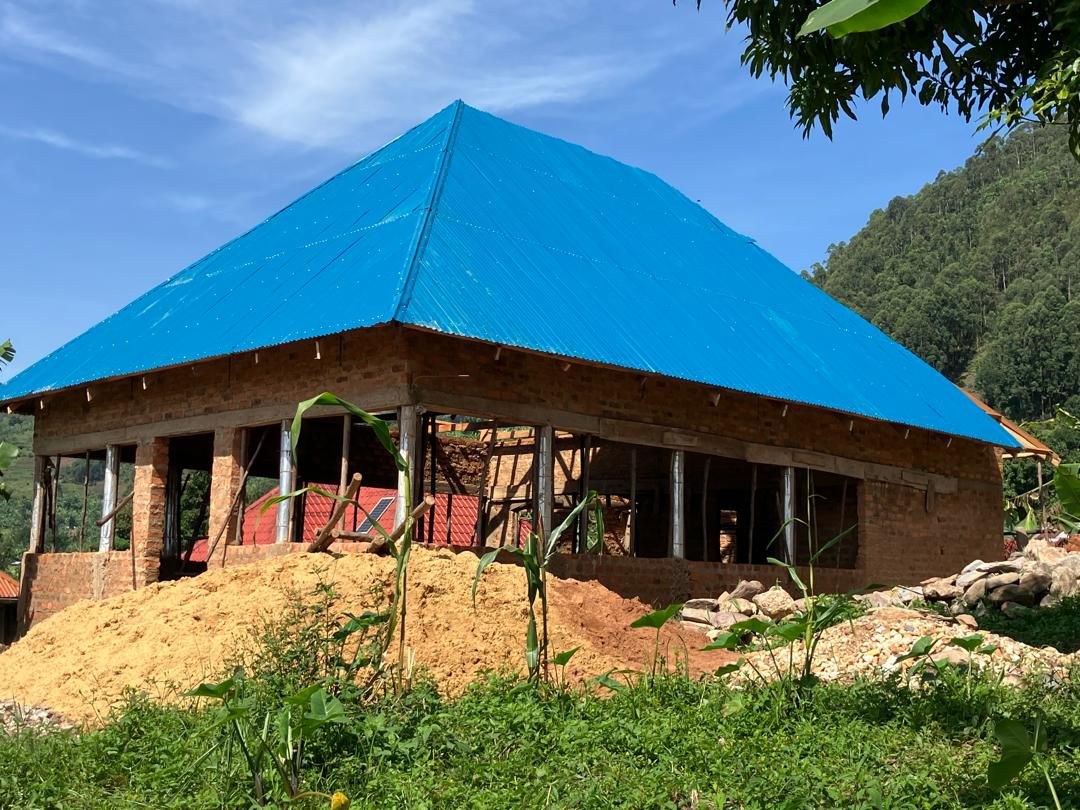
Tourism and the Hospital
An uncomfortable but important connection
The same national park that displaced the Batwa and created a health crisis also brought an economic lifeline. Gorilla trekking visitors spend money that flows toward community health. Several lodges actively support the hospital through partnerships and guest donations.
The hospital welcomes visitors. A tour — arranged through your lodge — shows the operating theater, maternity ward, and laboratory. You understand, in a concrete and immediate way, what healthcare means in a place where geography is the enemy. The gift shop sells crafts made by local artisans, with proceeds supporting health programs.
How You Can Help
Visit
Tours take about one hour. Arrange through your lodge or directly with the hospital. Photography permitted with staff permission.
Donate
$50 covers a month of antiretroviral medication. $200 covers an emergency surgery. Donations can be directed to specific programs.
Volunteer
Medical professionals can apply for short-term placements. Non-medical volunteers welcome for specific projects.
What Remains to Be Done
The work is far from finished
Staffing
Rural healthcare competes with urban opportunities. Retaining skilled professionals requires sustained investment in compensation and housing.
Mental Health
Poverty, displacement, and the stress of living beside a national park where wildlife can destroy crops overnight. Mental healthcare is in its infancy here.
Climate Change
Shifting rainfall brings malaria to new altitudes. Floods and landslides cut access roads and create medical emergencies with increasing frequency.
Remote Access
Some communities are still hours from the nearest health worker. The terrain remains the fundamental challenge — beautiful and deadly in equal measure.
Explore Further
Frequently Asked Questions
Last updated: September 2026