Gorilla trekking in Buhoma is a once-in-a-lifetime wildlife encounter in Bwindi Impenetrable National Park, Uganda. Permits cost $800 USD per person and allow you one hour with a habituated gorilla family. Buhoma is the original and most popular trekking sector, home to iconic families including Mubare, Habinyanja, and Rushegura. Treks depart daily at 8:00 AM and last 2 to 8 hours.
Quick Facts
- Permit Cost:
- $800 USD (foreign non-resident)
- Duration:
- 2–8 hours trek + 1 hour with gorillas
- Group Size:
- Maximum 8 trekkers per gorilla family
- Minimum Age:
- 15 years
- Best Season:
- Jun–Sep & Dec–Feb (dry seasons)
- Gorilla Families:
- Mubare, Habinyanja, Rushegura, Katwe
- Starting Point:
- Buhoma Park HQ, 7:30 AM briefing
- Elevation:
- 1,500–2,300m above sea level
Why Buhoma Is the Top Choice for Gorilla Trekking
Buhoma holds a special place in the history of mountain gorilla conservation. In 1993, it became the first sector of Bwindi Impenetrable National Park to open for gorilla tourism when the Mubare gorilla family was declared habituated after years of careful work by researchers and rangers. This makes Buhoma the birthplace of gorilla trekking in Uganda.
Today, several gorilla families can be tracked from the Buhoma trailhead, including Mubare, Habinyanja, Rushegura, and Katwe. The sector offers the widest range of accommodation options in all of Bwindi — from luxury eco-lodges like Sanctuary Gorilla Forest Camp and Mahogany Springs to community-run guesthouses. The park headquarters, where all briefings and trek departures take place, is within walking distance of most lodges.
The northern location of Buhoma also makes it the most accessible sector of Bwindi, reachable by road from Kampala (8–10 hours) or by charter flight to Kihihi Airstrip (about 1 hour from Entebbe, then a 1.5-hour drive to Buhoma).
How Gorilla Trekking Works
Every gorilla trek follows a well-organized process managed by the Uganda Wildlife Authority (UWA). Understanding the procedure helps you prepare and make the most of this extraordinary experience.
The Morning Briefing
All trekkers gather at the Buhoma park headquarters by 7:30 AM for a mandatory briefing. UWA rangers explain the rules of engagement: maintain a 7-meter distance, no flash photography, no eating or drinking near the gorillas, and turn away if you need to cough or sneeze. Rangers assess fitness levels and assign each group of 8 trekkers to a specific gorilla family.
The Trek Into the Forest
Each trekking group is accompanied by an experienced UWA ranger guide, armed rangers for security, and trackers who have been following the gorillas since dawn. The trek takes you through dense montane rainforest on steep, often muddy terrain. Trails are not marked — you follow the trackers through the undergrowth. The duration depends entirely on where the gorillas have moved overnight. Some days you find them within 30 minutes; on others it may take 4 to 6 hours of hiking.
The Gorilla Encounter
The success rate for finding gorillas on any given day exceeds 90% — tracker teams go out before dawn to locate each family, so trekkers rarely return empty-handed. When you finally encounter the gorilla family, you have exactly one hour with them. This is a strictly enforced time limit designed to minimize stress on the gorillas. During this hour, you can observe the family going about their daily routines — feeding, playing, grooming, and resting. Gorillas communicate constantly through a range of sounds: soft grunts signal contentment, sharper calls indicate alarm or excitement, and the chest-beating of a silverback — produced with cupped hands for maximum resonance — carries far through the forest canopy and is one of the most distinctive sounds in the natural world. A curious juvenile may approach to inspect you. It is an intensely emotional and humbling experience that most visitors describe as life-changing.
Gorilla Families in Buhoma
Buhoma sector is home to several habituated gorilla families, each with its own personality, history, and social dynamics. The family you are assigned to depends on your fitness level and the rangers' assessment during the morning briefing.
- Mubare Group — The first gorilla family habituated in Bwindi (1993). A historically significant group that has endured leadership changes and natural challenges over three decades.
- Habinyanja Group — One of the largest and most popular families to visit, known for its active social dynamics and reliable sightings.
- Rushegura Group — Split from Habinyanja in 2002. Known for being relatively calm and often found at lower elevations, making for easier treks.
- Katwe Group — A newer habituated group in the Buhoma sector, offering fresh tracking experiences.
Read our detailed guide to each gorilla family in Buhoma →
Other Wildlife in Bwindi
Gorillas are the headline, but Bwindi Impenetrable National Park is one of the most biodiverse forests in Africa. The park is home to 13 primate species alongside the mountain gorillas, and trekkers regularly encounter black-and-white colobus, diademed monkeys, red-tailed monkeys, and bush babies moving through the canopy. Other mammals include African buffalo, bushbuck, duikers, civets, and giant forest hogs. Sightings depend on season, trail conditions, and a measure of luck — the dense undergrowth means most wildlife is heard before it is seen.
Permits and Booking
A gorilla trekking permit is your single biggest expense and the one non-negotiable requirement. Permits cost $800 USD for foreign non-residents, $600 USD for foreign residents, and UGX 300,000 for East African citizens. Each permit is valid for one trek on a specific date and sector.
Permits are issued exclusively by the Uganda Wildlife Authority (UWA) and can be booked directly through their office in Kampala or through licensed tour operators. During peak season (June–September, December–February), permits often sell out 3 to 6 months in advance. Book early.
Complete permit booking guide →
What to Bring
Proper preparation makes the difference between a comfortable trek and a challenging one. The Bwindi forest is steep, dense, and often wet regardless of season.
- Waterproof hiking boots with good ankle support — the single most important item
- Long trousers and long sleeves to protect against nettles, thorns, and ants
- Rain jacket or poncho — rain can arrive at any time in the forest
- Gardening gloves for grabbing vegetation on steep slopes
- Water (at least 2 liters) and energy snacks
- Camera with good low-light performance (no flash allowed)
- Insect repellent and sunscreen
- Walking stick (available for hire at park HQ)
- Cash for porter tips ($10–20 USD recommended)
Conservation and Community Impact
Gorilla trekking is not just a tourist activity — it is a conservation funding mechanism. Revenue from permits directly funds anti-poaching patrols, gorilla monitoring, habitat protection, and community development programs around Bwindi. Twenty percent of park revenue is shared with local communities through the UWA revenue-sharing scheme.
When gorilla trekking began in Buhoma in 1993, the global mountain gorilla population was estimated at just 620 individuals. Today, thanks to conservation efforts funded largely by tourism, the population has grown to over 1,060 — a remarkable recovery story. Your permit fee is a direct investment in the survival of this critically endangered species.
In Buhoma specifically, gorilla tourism has transformed the local economy. Lodges employ local staff, community walks generate income for families, and craft cooperatives sell to visiting trekkers. Conservation has created an economic incentive for communities to protect the forest rather than clear it for agriculture.
Explore Our Gorilla Trekking Guides
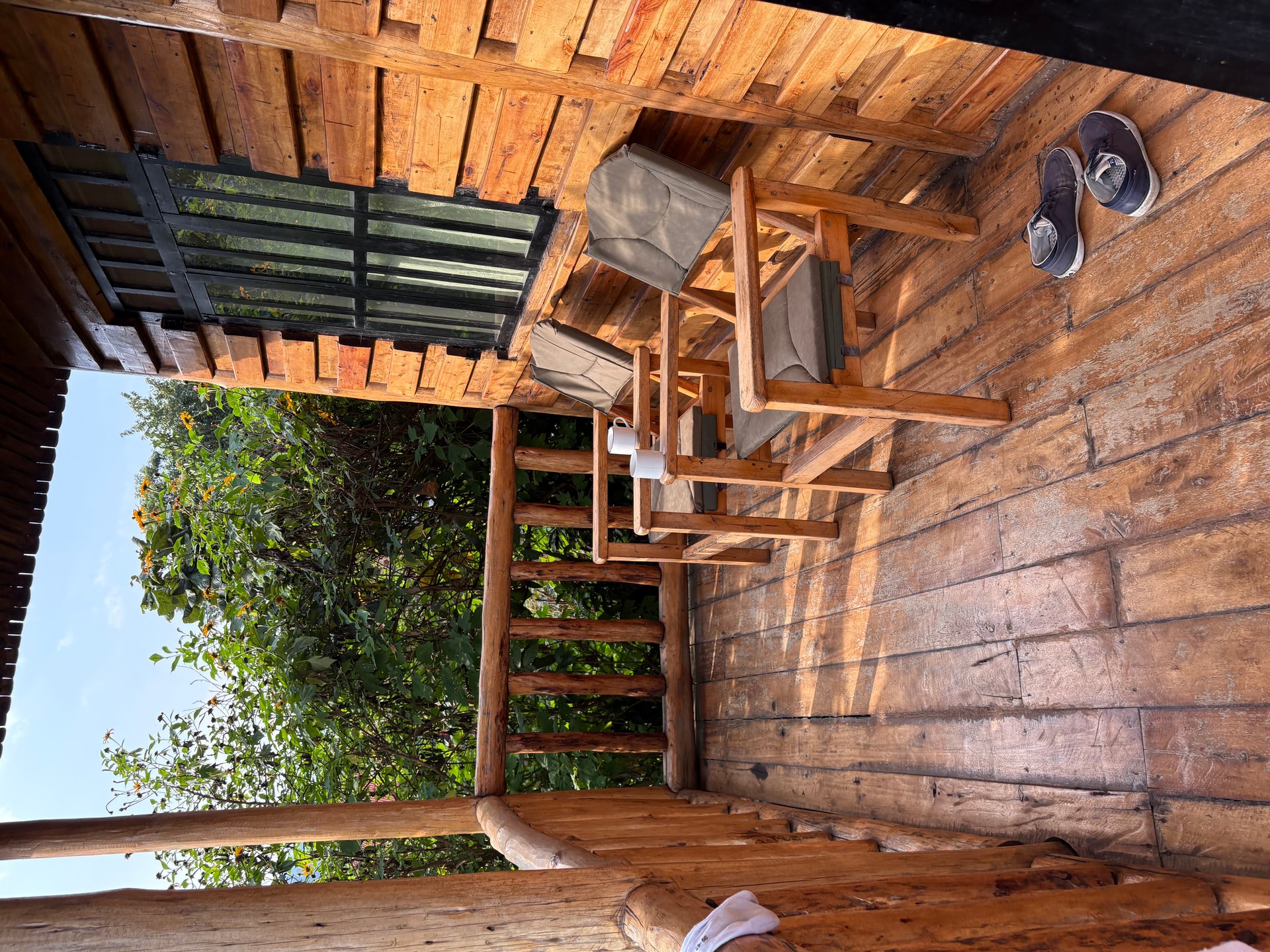
Gorilla Families in Buhoma
Meet Mubare, Habinyanja, Rushegura, and the other gorilla families you can track from Buhoma.
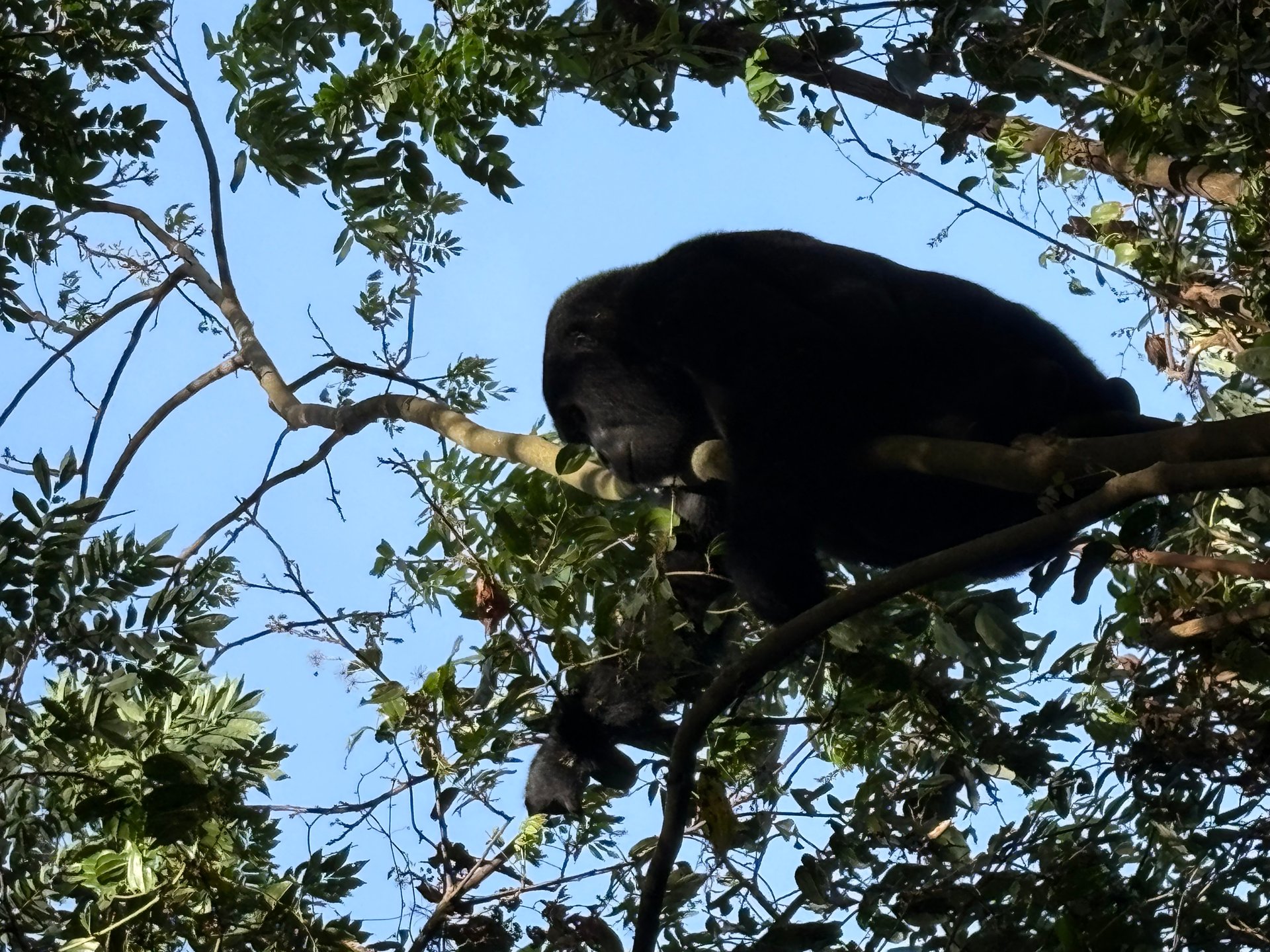
Gorilla Permit Guide
How to book your $800 permit through UWA, when to book, and what to know about the process.
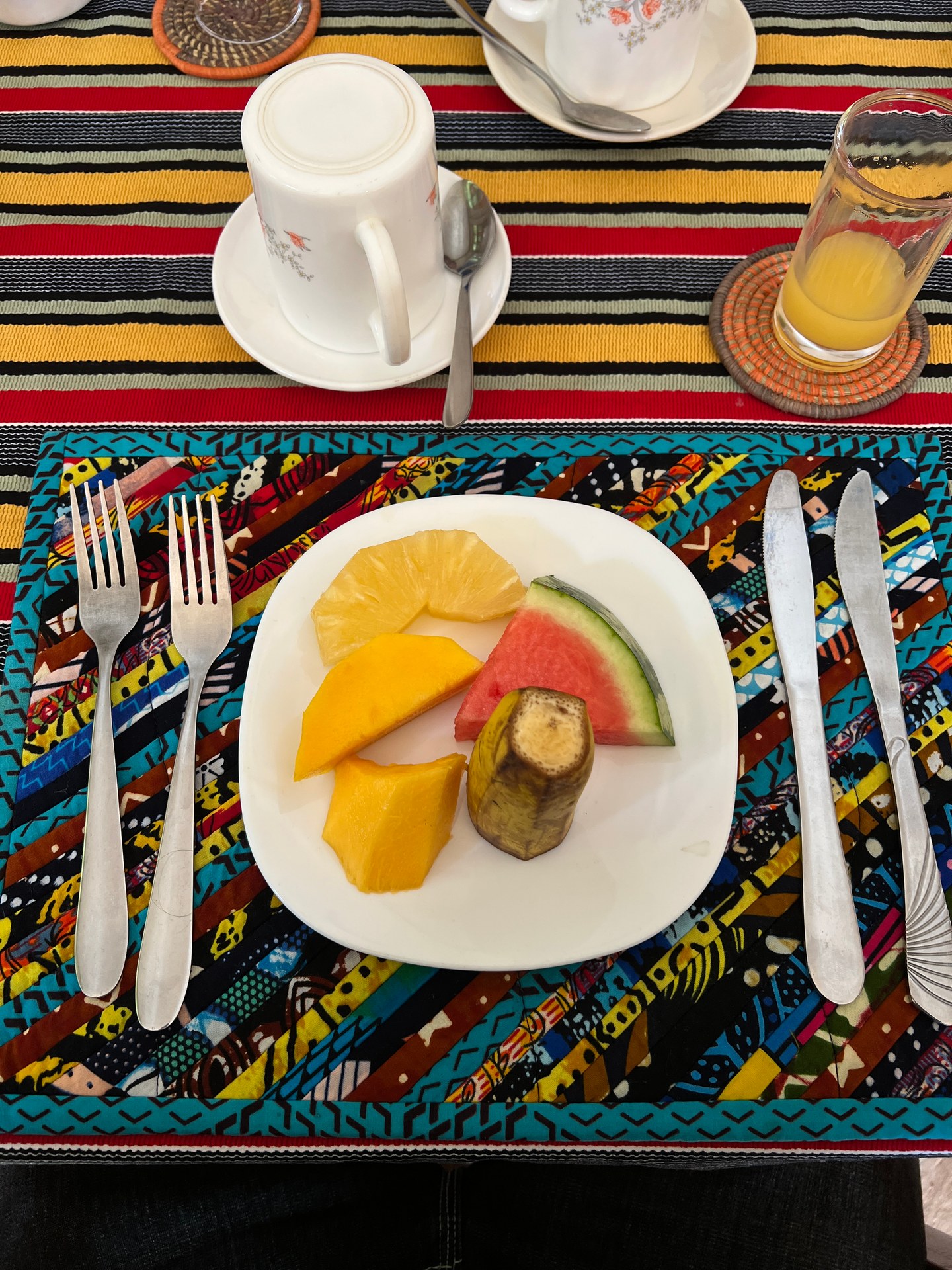
What To Expect on a Gorilla Trek
A detailed hour-by-hour walkthrough of your gorilla trekking day, from briefing to encounter.
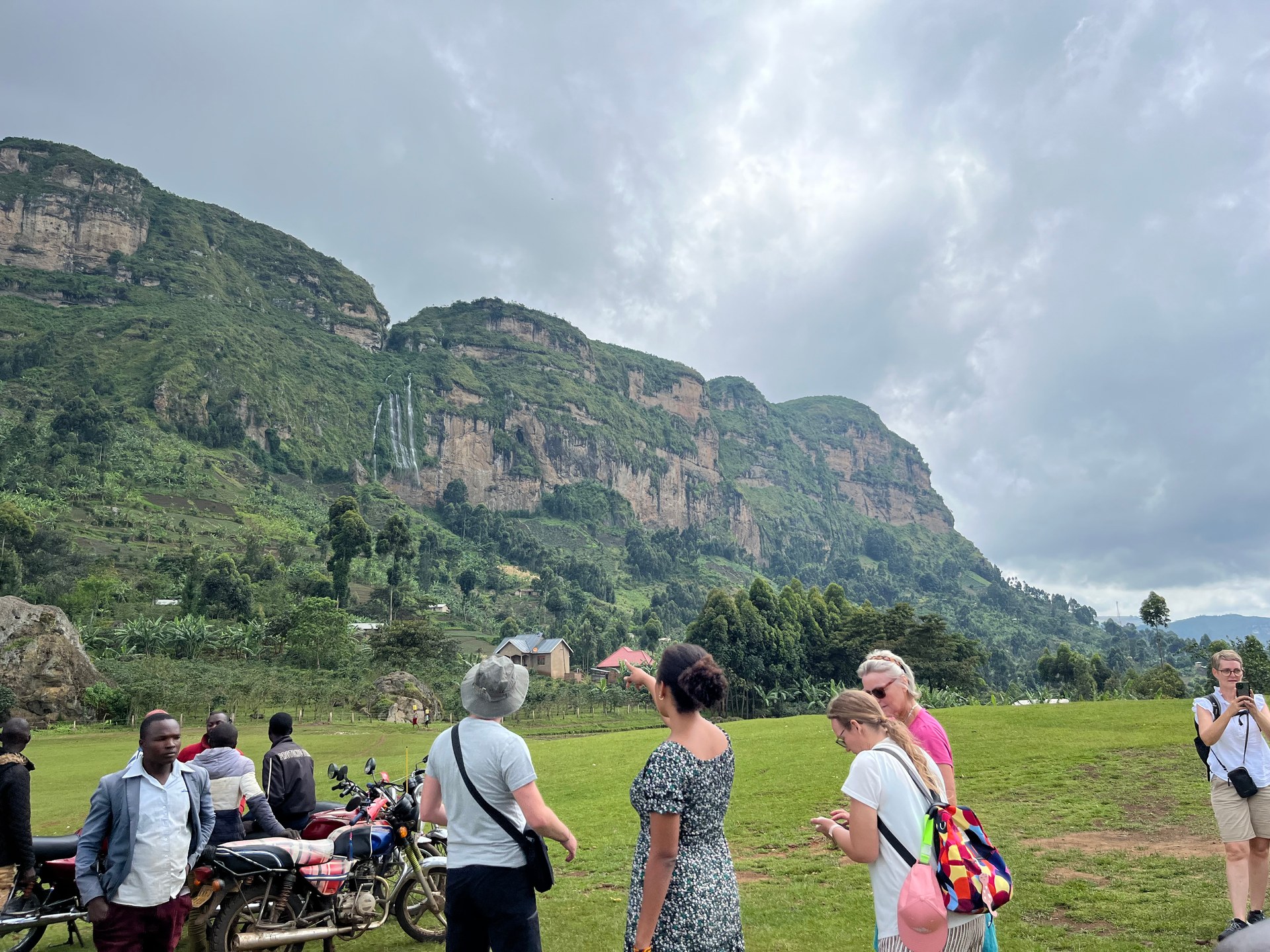
Gorilla Trekking Costs
Complete cost breakdown: permits, lodges, transport, tips, and how to budget your trip.
Gorilla Trekking FAQ
Answers to the 20+ most common questions about gorilla trekking in Buhoma and Bwindi.
Best Lodges for Gorilla Trekking
Where to stay in Buhoma — the best lodges within walking distance of the park gate.
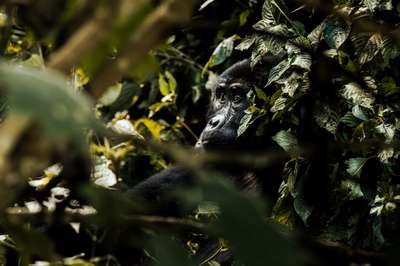
Gorilla Trekking for Beginners
First trek in Bwindi? Fitness requirements, what to pack, and what the day looks like — a practical first-timer's guide.
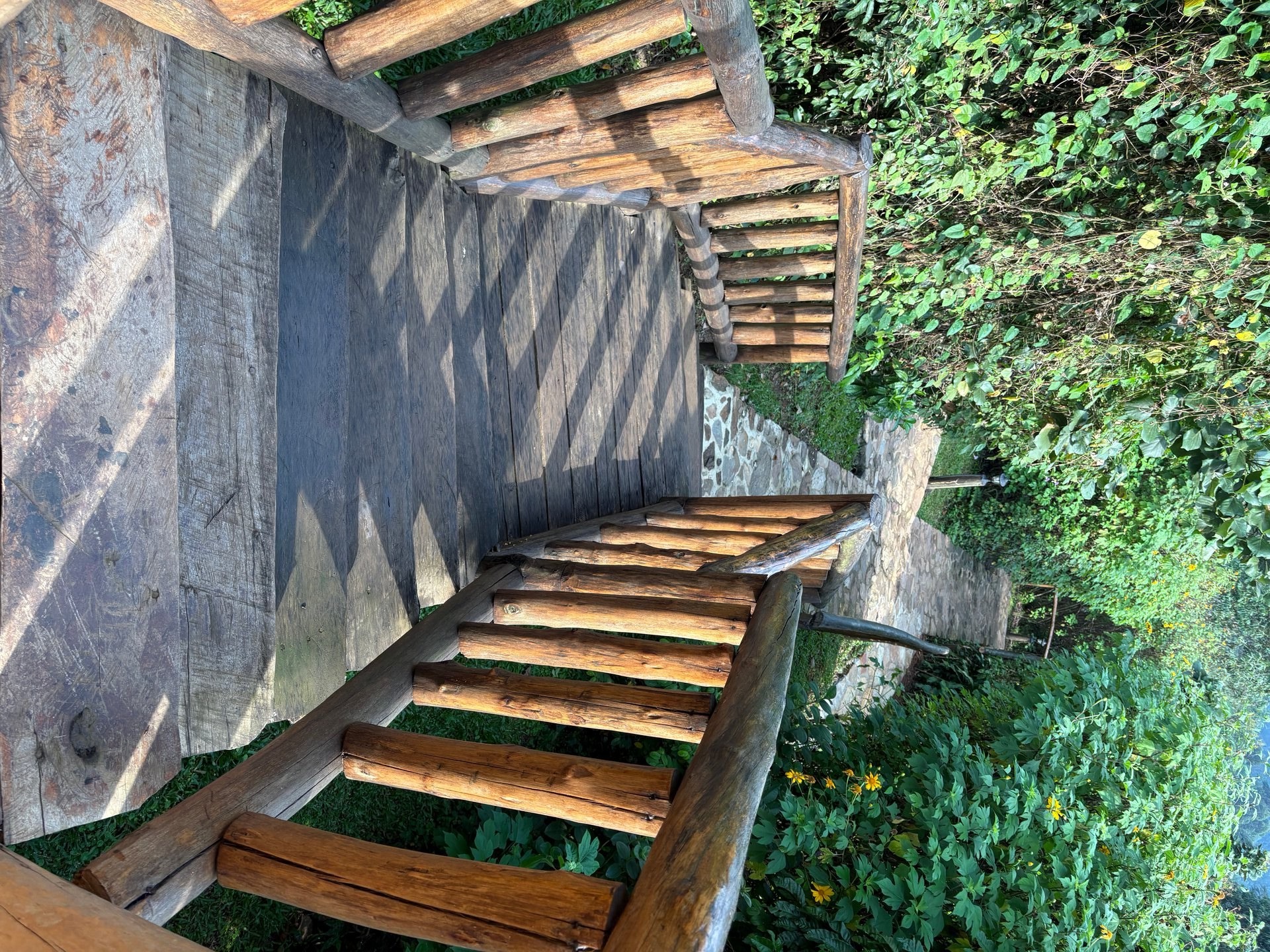
Safety Rules and Gorilla Behavior
The seven-metre rule, mock charges, and how to behave when a silverback looks you in the eye.
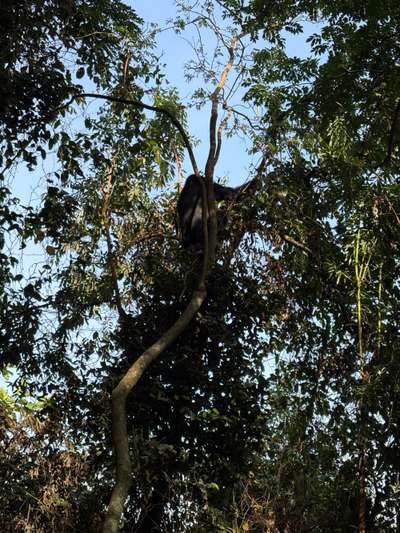
How Mountain Gorillas Behave
Vocalizations, foraging, chest beats, and the gorilla life cycle — what you are actually watching during the encounter.
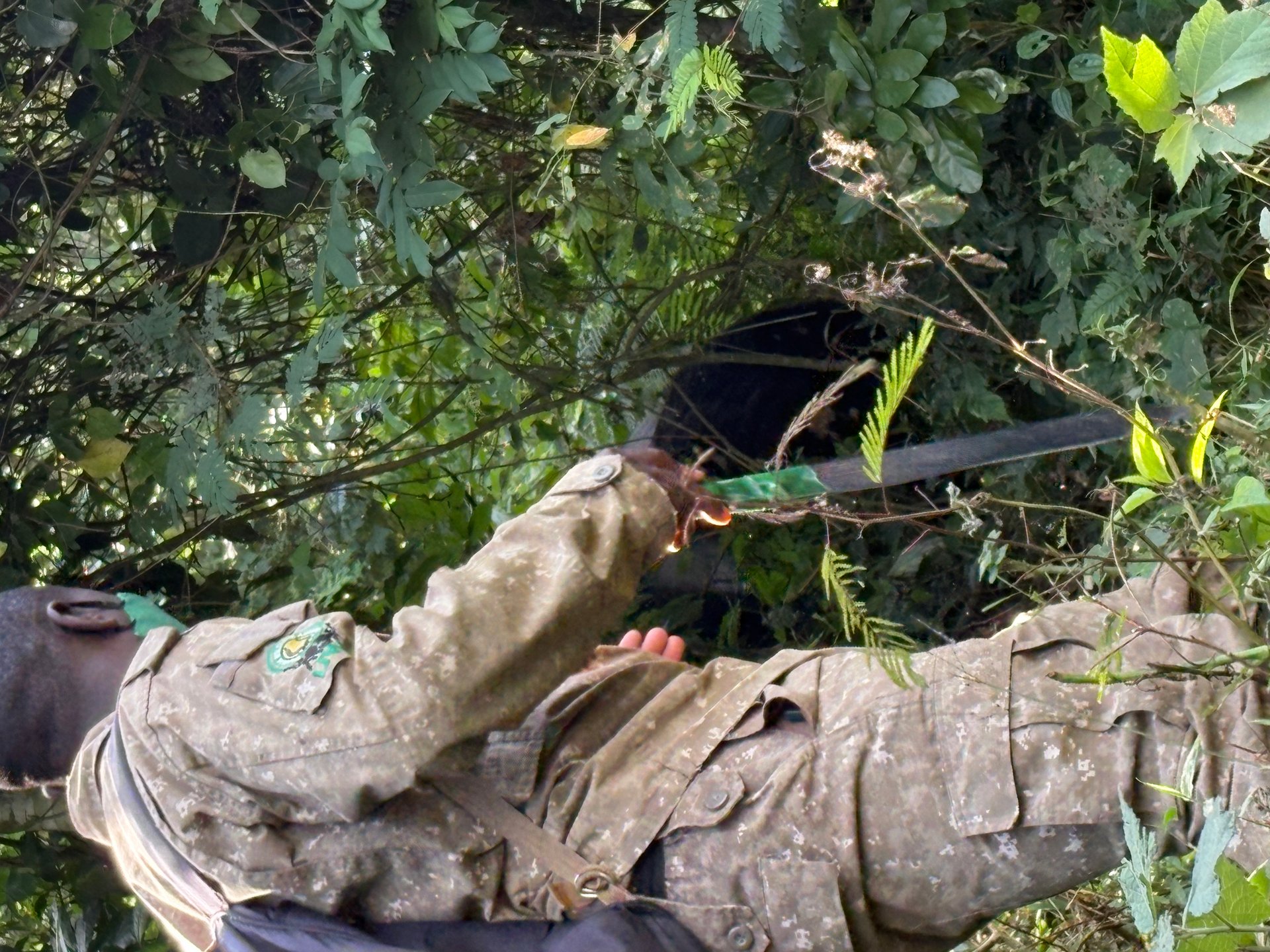
Complete Field Guide to Gorilla Trekking
First-hand guide based on personal treks in January and June 2026 — the full day, all four sectors, and what to expect.