Buhoma is very safe for tourists. The village depends on gorilla tourism and the community is welcoming and protective of visitors. The Uganda Wildlife Authority (UWA) maintains a strong ranger presence in and around the park. The main health considerations are malaria prevention (prophylaxis recommended), Yellow Fever vaccination (required for Uganda entry), safe drinking water (use bottled/filtered), and having travel insurance with medical evacuation coverage.
Quick Facts
- Security Level:
- Very safe for tourists
- Malaria Risk:
- Present — prophylaxis recommended
- Yellow Fever:
- Vaccination certificate required
- Drinking Water:
- Bottled/filtered only
- Nearest Hospital:
- Bwindi Community Hospital (~30 min)
- Altitude:
- 1,500 m (no altitude sickness risk)
- Travel Insurance:
- Essential — include medical evacuation
- Emergency Number:
- Uganda Police: 999 / UWA: +256-414-355000
Personal Security
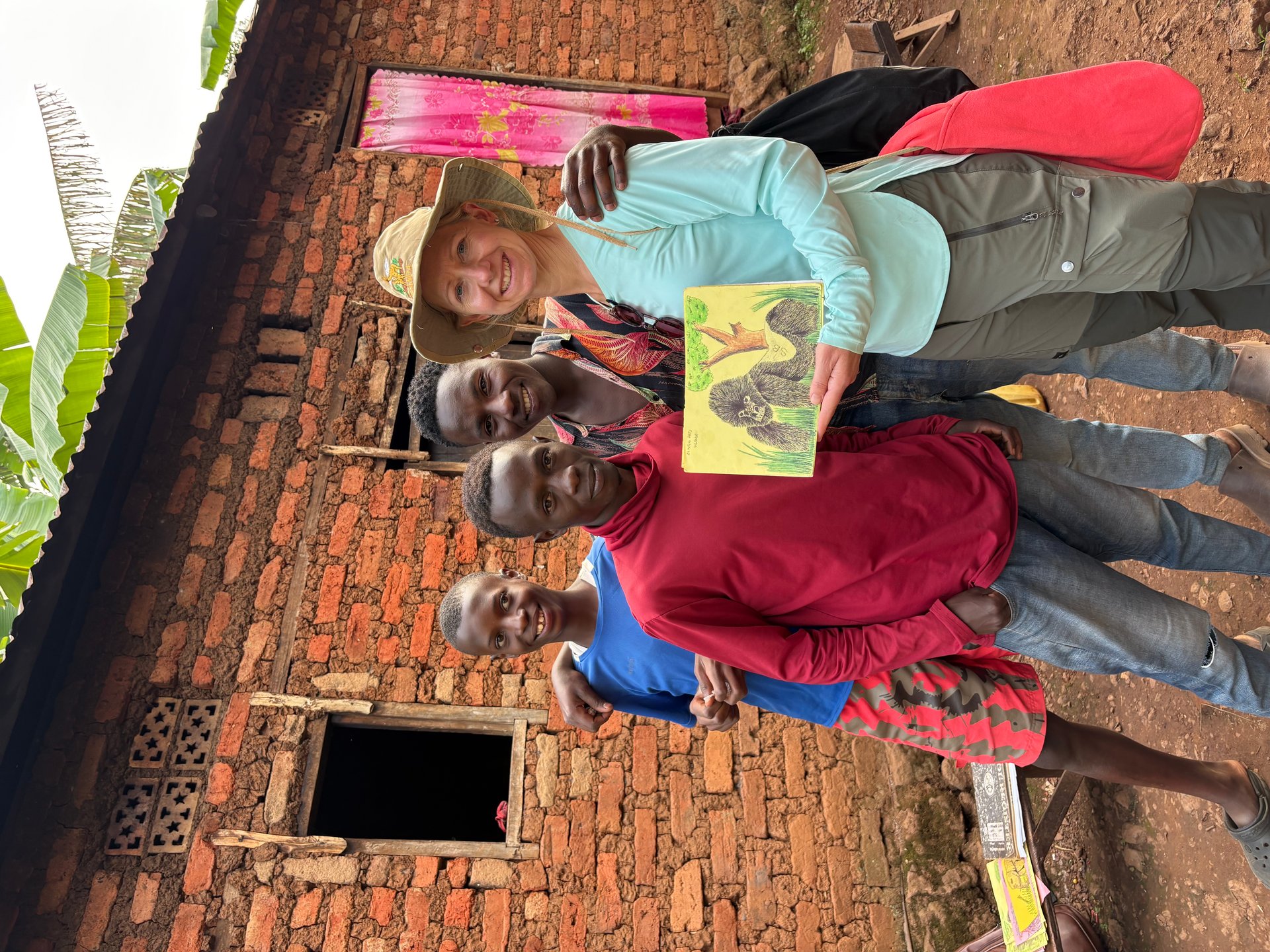
Buhoma is one of the safest destinations in East Africa for tourists. The village is small, tight-knit, and economically reliant on gorilla trekking tourism. Visitors are valued and protected. Petty crime is rare, and violent crime targeting tourists is essentially unknown.
That said, standard travel precautions apply anywhere in the world:
- Keep valuables secure at your lodge rather than carrying them on treks
- Use the in-room safe or lockbox provided by your accommodation
- Avoid displaying expensive jewelry, watches, or electronics unnecessarily
- Carry a photocopy of your passport rather than the original (leave the original at your lodge)
- Keep some cash separate from your main wallet as backup
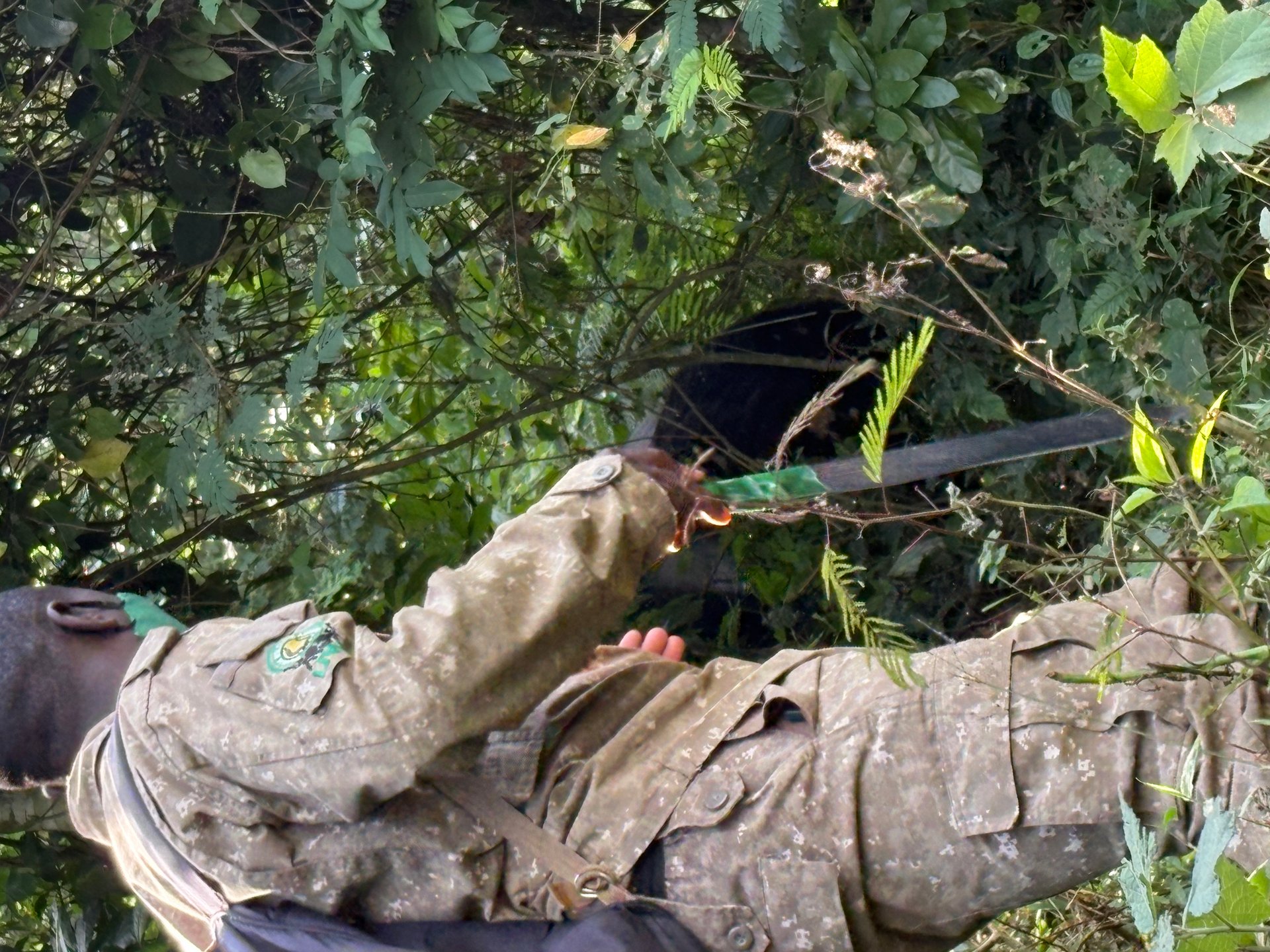
The Uganda Wildlife Authority (UWA) rangers patrol the park and its surroundings. Community scouts also help maintain security in the Buhoma area. You will always be accompanied by trained ranger guides during any park activity.
Health Considerations
Malaria
Buhoma is in a malaria zone. Although the altitude (1,500 meters) reduces mosquito populations compared to lowland areas, the risk is still present. Take the following precautions:
- Anti-malaria prophylaxis: Consult your travel doctor. Common options include Malarone (atovaquone/proguanil), doxycycline, or mefloquine. Start taking medication before arrival as directed.
- Insect repellent: Use DEET-based repellent (30 to 50% concentration) on exposed skin, especially during dawn and dusk when mosquitoes are most active.
- Long clothing: Wear long sleeves and trousers in the evening.
- Bed nets: Most lodges provide mosquito nets. Use them even if the room has screens.
Vaccinations
Visit a travel clinic 6 to 8 weeks before your departure. The following vaccinations are relevant:
- Yellow Fever: Mandatory for entry into Uganda. You must carry your vaccination certificate.
- Hepatitis A and B: Recommended for all travelers.
- Typhoid: Recommended, especially if eating outside of hotels.
- Tetanus and polio: Ensure your routine vaccinations are up to date.
- Rabies: Consider if spending extended time in rural areas or likely to encounter animals.
- Meningitis: May be recommended depending on the season and your travel plans.
Stomach Health
Traveler's diarrhea is the most common health issue for visitors to Uganda. Reduce your risk:
- Drink only bottled or filtered water
- Avoid raw salads and unpeeled fruits from street vendors
- Eat at your lodge or reputable restaurants
- Wash your hands frequently or use hand sanitizer
- Bring rehydration salts and basic anti-diarrhea medication
Gorilla Trekking Safety
Gorilla trekking is managed with strict safety protocols by UWA. Your ranger guides are highly trained and experienced. Key safety rules include:
- Maintain 7-meter distance: Stay at least 7 meters (23 feet) from the gorillas at all times. This protects both you and the gorillas.
- No trekking if sick: If you have a cold, flu, cough, or any infectious symptoms, you will not be allowed to trek. Human diseases can be fatal to gorillas. Wear a face mask if provided.
- Follow ranger instructions: Rangers know gorilla behavior. If they tell you to stop, crouch, or back away, do so immediately.
- No flash photography: Flash can startle gorillas. Turn off your flash before entering the forest.
- Do not make sudden movements: Stay calm and quiet. Avoid direct eye contact with silverbacks.
- If a gorilla charges: Your ranger will handle the situation. Stay still, lower your gaze, and crouch slowly. Do not run. Charges are almost always bluffs.
Physical Fitness and Altitude
Gorilla trekking is physically demanding. The terrain is steep, trails are rough, and the forest floor is uneven and often muddy. Treks can last anywhere from 2 to 8 hours depending on gorilla location.
While altitude sickness is not a concern at Buhoma's elevation of 1,500 meters, you may trek to elevations of 2,000 to 2,600 meters within the park. At these altitudes, the reduced oxygen combined with physical exertion can cause breathlessness, especially if you are not regularly active.
To prepare:
- Build cardiovascular fitness in the weeks before your trip — walking, hiking, stair climbing
- Hire a porter (strongly recommended) — they carry your daypack and help you on steep sections, and this also provides vital employment to the local community
- Stay well hydrated — bring at least 2 liters of water for the trek
- Pace yourself — there is no rush, and rangers adjust the pace for the group
- Use a walking stick — available for free at the trailhead
Medical Facilities
Medical facilities near Buhoma are limited:
- Buhoma Community Health Center: Basic first aid and treatment for minor ailments. Located in the village.
- Bwindi Community Hospital (Kayonza): About 30 minutes from Buhoma. Run by a partnership of Ugandan and international medical staff. Provides more comprehensive care including surgery.
- Kabale Regional Referral Hospital: About 3 hours away. The nearest large hospital with a wider range of services.
- Kampala/Nairobi: For serious emergencies, air evacuation to Kampala (Mulago Hospital, International Hospital Kampala) or Nairobi is the standard procedure.
Travel insurance with medical evacuation coverage is not optional — it is essential. Ensure your policy specifically covers gorilla trekking and emergency air evacuation. Some policies exclude activities involving wild animals, so read the terms carefully.
What to Bring: Health and Safety Kit
- Prescription medications (with copies of prescriptions)
- Anti-malaria prophylaxis
- DEET-based insect repellent (30 to 50%)
- Sunscreen SPF 30+
- Rehydration salts
- Anti-diarrhea medication (loperamide)
- Painkillers (paracetamol or ibuprofen)
- Antihistamines for insect bites
- Plasters/band-aids and antiseptic wipes
- Hand sanitizer
- Water purification tablets or a filtered water bottle