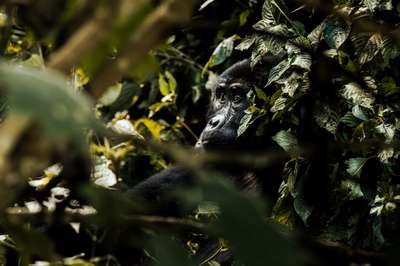
Bwindi Impenetrable National Park protects one of Africa's richest ecosystems. The park shelters roughly half of all surviving mountain gorillas, 13 primate species, over 350 bird species including 23 Albertine Rift endemics, 220+ butterfly species, 160+ tree species, and a wealth of mammals, reptiles, and amphibians. Buhoma, at the park's northern edge, is the primary gateway for experiencing this extraordinary biodiversity.
Quick Facts
- Mountain Gorillas:
- ~459 in Bwindi (~1,063 worldwide)
- Primate Species:
- 13 species
- Bird Species:
- 350+ (23 Albertine Rift endemics)
- Butterfly Species:
- 220+
- Tree Species:
- 160+
- UNESCO Status:
- World Heritage Site since 1994
- Park Size:
- 331 km² (128 sq mi)
- Elevation Range:
- 1,160–2,607 m
A Forest Like No Other
Bwindi Impenetrable National Park, covering 331 square kilometres of steep ridges and deep valleys in southwestern Uganda, is one of the most biologically significant forests on the African continent. Its name comes from the Rukiga word “bwindi,” meaning darkness or impenetrable — a reference to the dense undergrowth that makes travel through the forest extraordinarily difficult.
The park spans an elevation range from 1,160 metres in the Ishasha Gorge to 2,607 metres at Rwamunyonyi Peak, creating a mosaic of lowland, montane, and Afro-alpine habitats. This altitudinal gradient, combined with the forest's age — it survived the Pleistocene ice ages as a glacial refugium — has produced exceptional species richness. Bwindi has been called the most important forest in Africa for conservation of montane forest biodiversity.
For visitors arriving in Buhoma, the wildlife begins at the village edge. Primates call from the canopy, hornbills fly overhead, and butterflies congregate at sunny patches along the forest trails. The transition from the cultivated hillsides of rural Buhoma to the primeval depths of Bwindi is abrupt and awe-inspiring.
Explore Bwindi's Wildlife
Mountain Gorillas
Meet the gentle giants of Bwindi — approximately 459 mountain gorillas, including several habituated families trackable from Buhoma.
Primates of Bwindi
Discover the 13 primate species that inhabit Bwindi, from chimpanzees and colobus monkeys to nocturnal bushbabies and pottos.
Birds of Bwindi
Over 350 species including 23 Albertine Rift endemics make Bwindi one of Africa's premier birdwatching destinations.
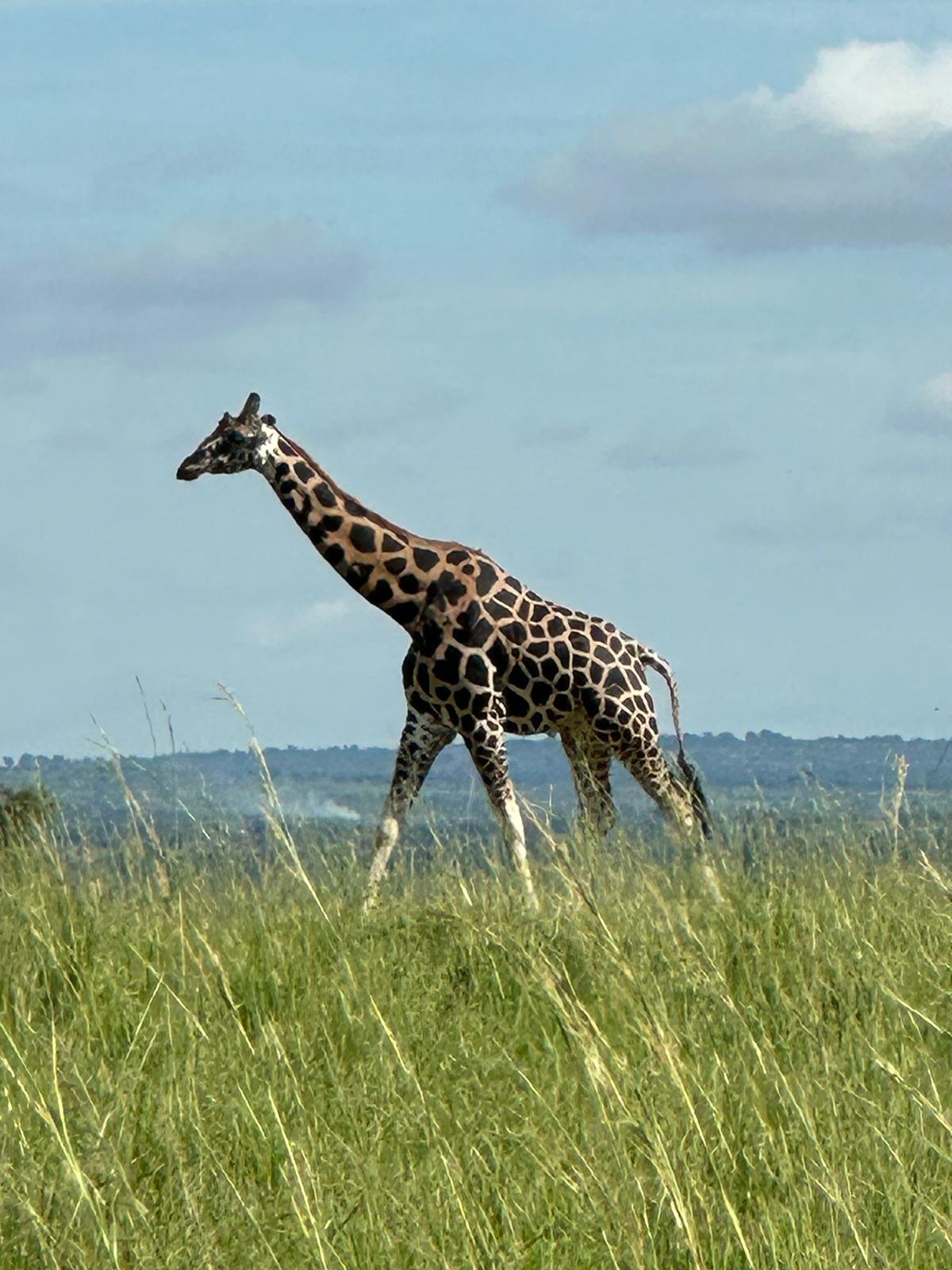
Biodiversity of Bwindi
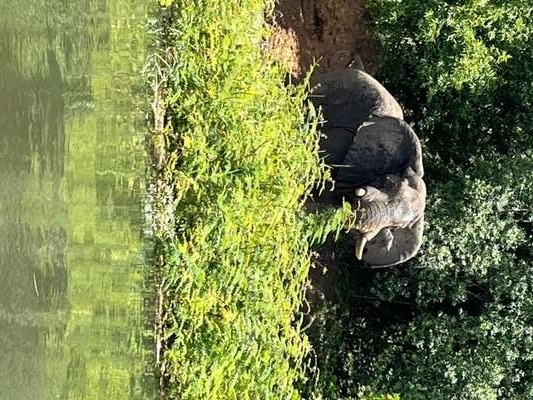
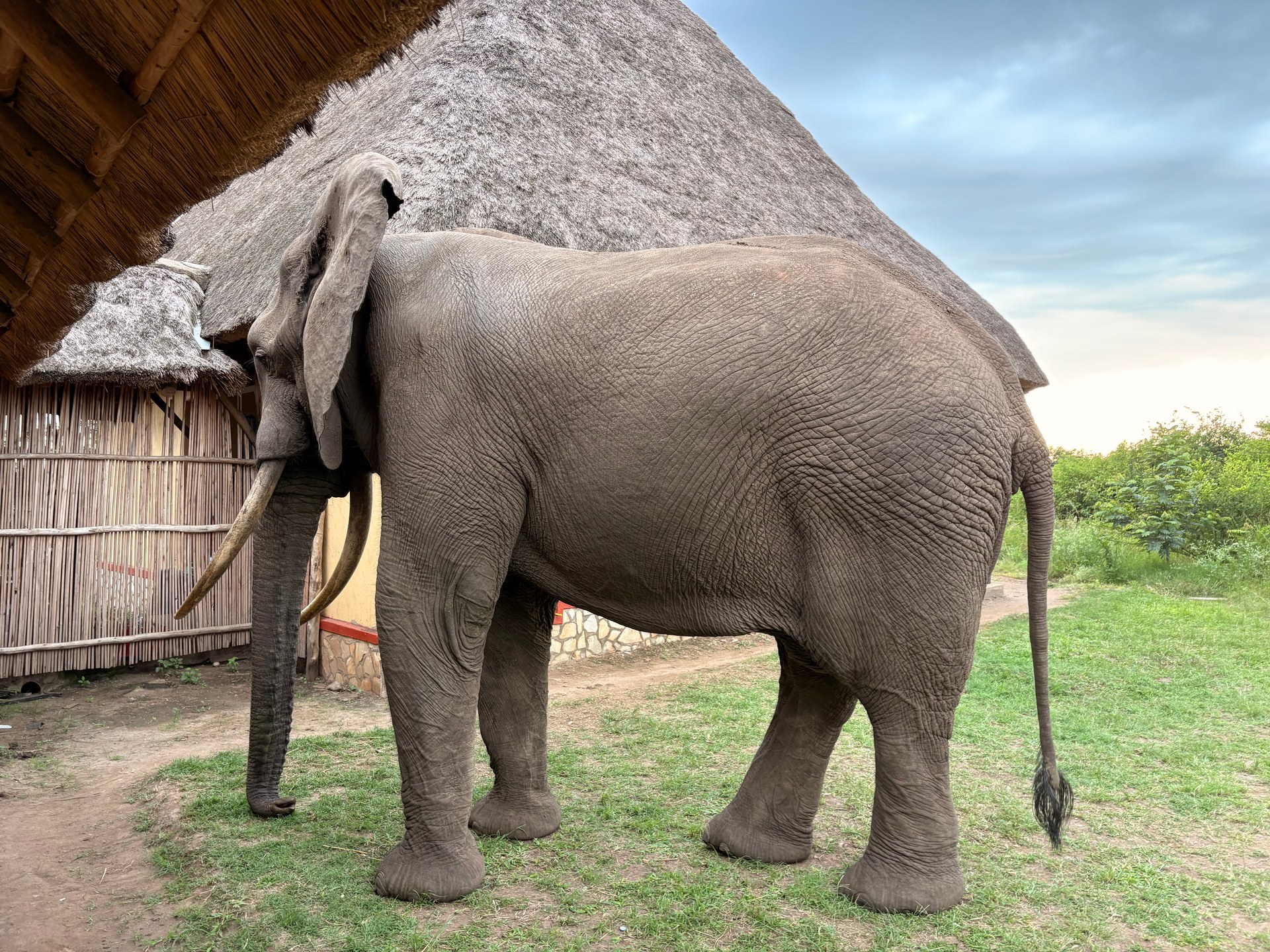
A UNESCO World Heritage Site with 160+ tree species, 220+ butterflies, forest elephants, and extraordinary ecological richness.
The Major Wildlife Groups
Mammals
Bwindi harbours at least 120 mammal species. The mountain gorilla (Gorilla beringei beringei) is the flagship species, but the park also supports chimpanzees, forest elephants, giant forest hogs, bushpigs, several duiker species (including the rare yellow-backed duiker), bushbuck, African golden cats, side-striped jackals, African civets, and numerous bat species. Small mammals include tree hyraxes, whose eerie nocturnal screams echo through the forest, and a diversity of shrews and rodents.
Birds
With over 350 recorded species, Bwindi is one of the top birding sites in Africa. The park is particularly important for Albertine Rift endemics — 23 of the 37 species restricted to this mountain chain occur here. Highlights accessible from Buhoma include the African green broadbill, bar-tailed trogon, Grauer's broadbill, handsome francolin, and numerous sunbirds, turacos, and greenbuls.
Reptiles & Amphibians
Bwindi supports at least 27 species of amphibians (including several Albertine Rift endemics) and numerous reptile species. Chameleons, skinks, and forest snakes are present but seldom seen by casual visitors. The three-horned chameleon (Trioceros johnstoni) is among the more spectacular species encountered on forest walks.
Invertebrates
The invertebrate fauna is staggering. Over 220 butterfly species have been documented, including many Albertine Rift endemics. Bwindi's moth diversity is even greater but less well-studied. The forest floor teems with beetles, millipedes, and spiders, while army ant columns create dramatic wildlife spectacles as birds and other creatures follow the swarms to feast on flushed insects.
Conservation and Community
Bwindi's wildlife faces ongoing threats from habitat fragmentation, climate change, and human encroachment. The park is an ecological island — surrounded on all sides by one of the most densely populated rural landscapes in Africa. Conservation success depends on the communities living around the park, particularly villages like Buhoma.
Uganda Wildlife Authority shares a percentage of gorilla trekking permit revenue with local communities. Community-based tourism enterprises, conservation education programmes, and human-wildlife conflict mitigation efforts all contribute to the remarkable conservation gains of recent decades. The mountain gorilla population has grown from an estimated 620 individuals in 1989 to over 1,063 today — one of the great conservation success stories.
Every visitor to Buhoma contributes directly to this effort. Tourism revenue funds park management, ranger patrols, veterinary interventions, and community development projects that give local people a tangible stake in protecting the forest and its wildlife.
Plan Your Wildlife Experience
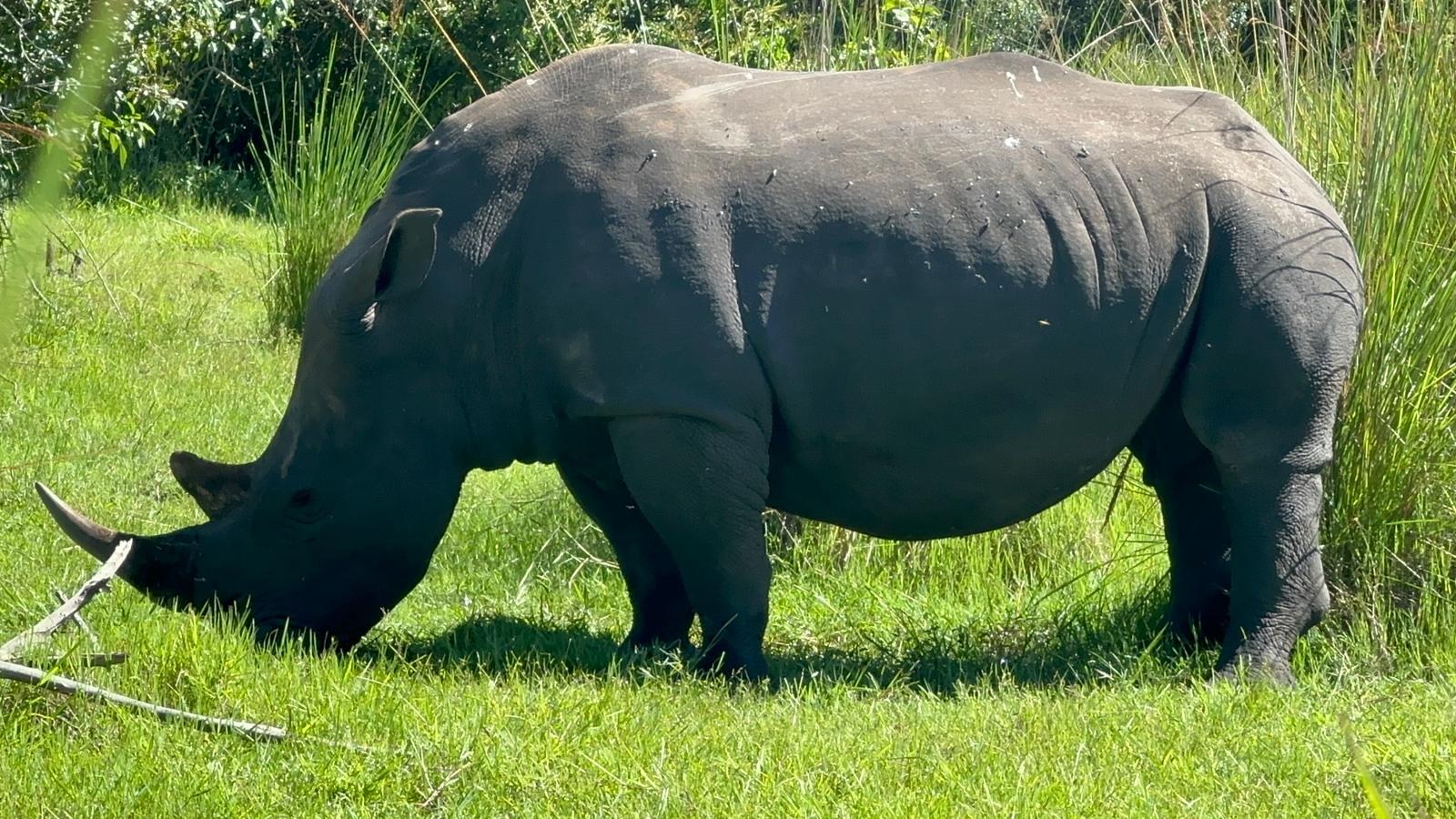
Gorilla Trekking
Everything you need to know about tracking mountain gorillas from Buhoma — permits, preparation, and what to expect.
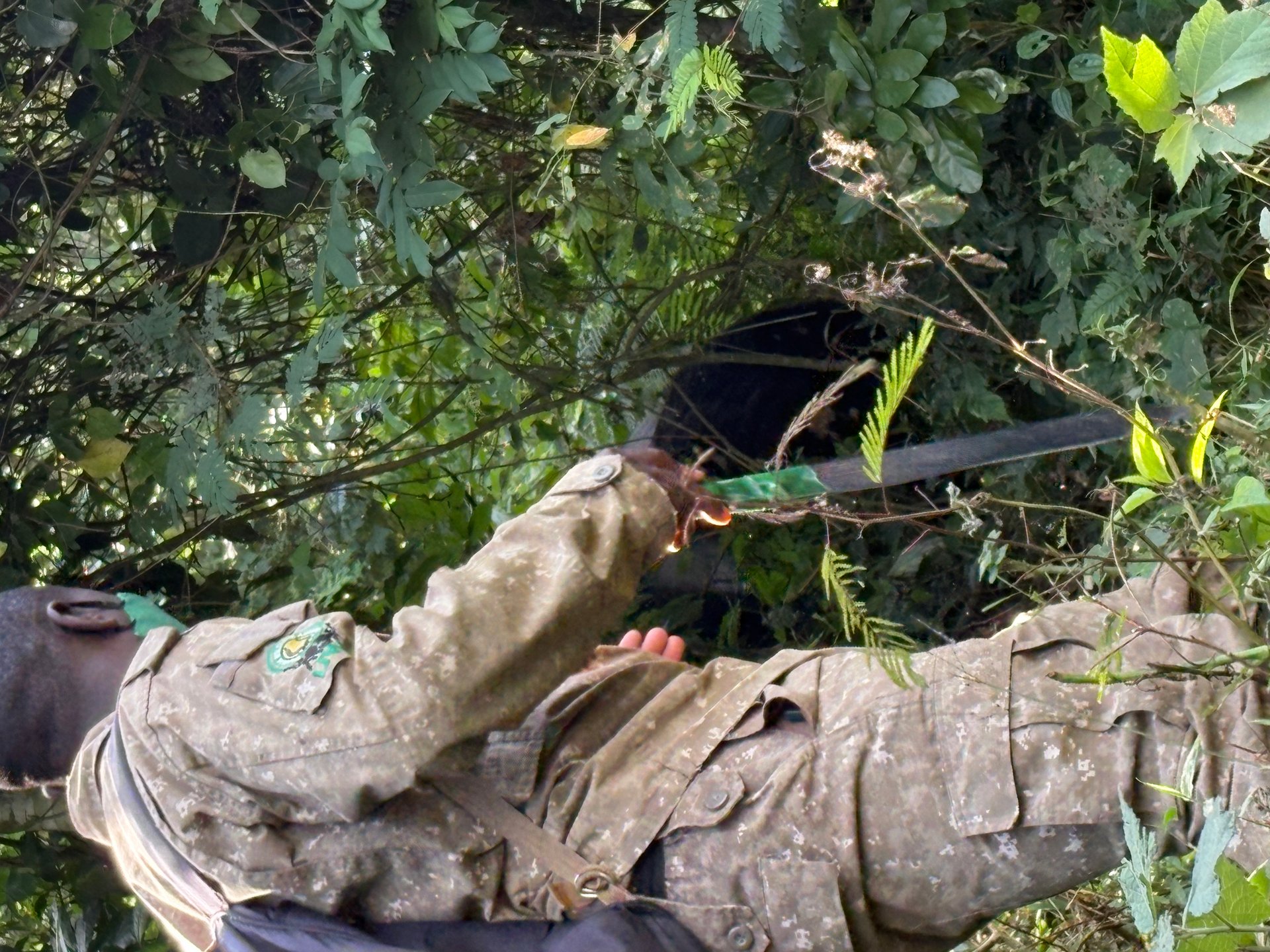
Community Conservation
How tourism in Buhoma directly supports wildlife conservation and community development.
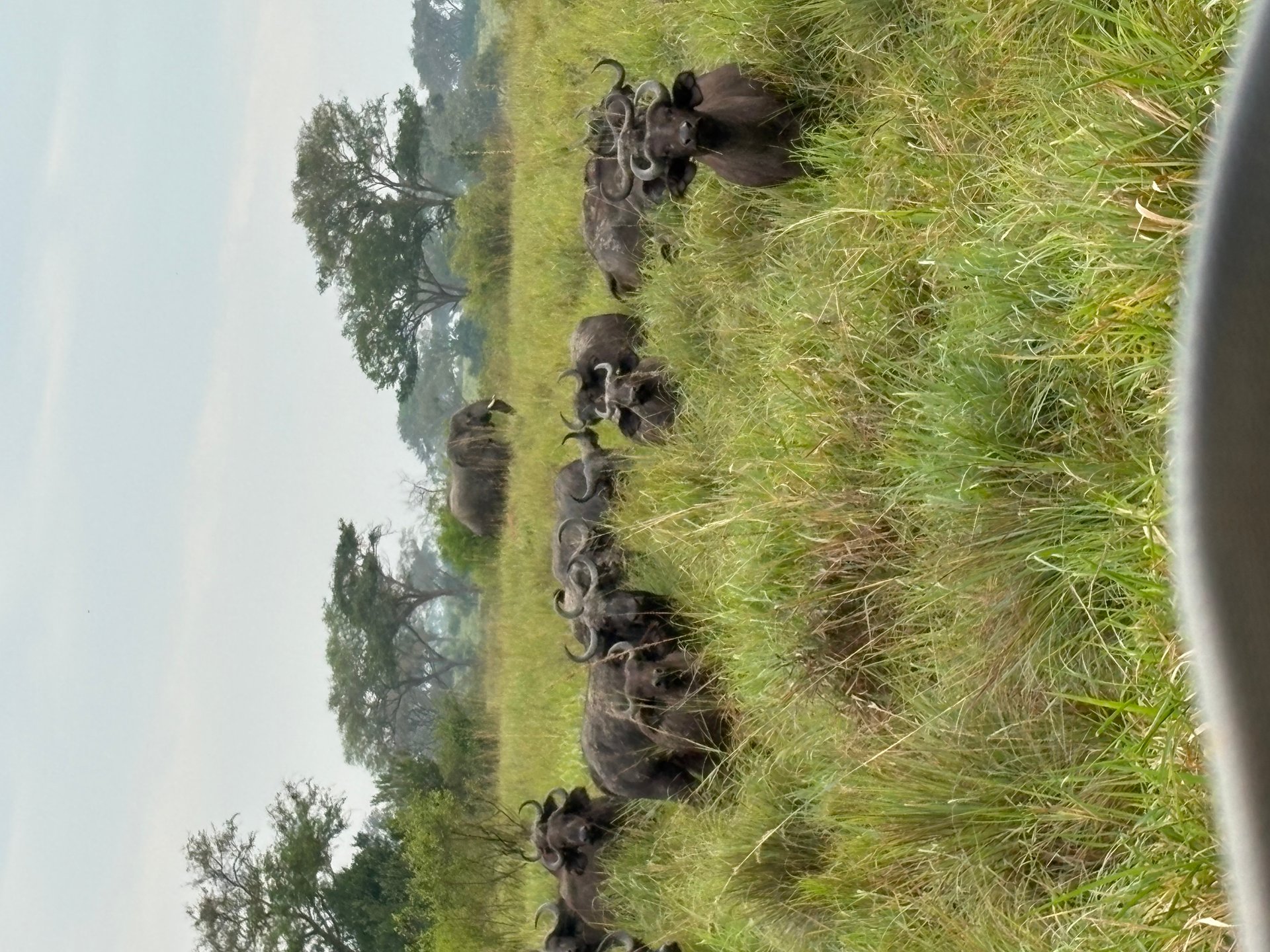
About Buhoma
Learn about the village that serves as the gateway to Bwindi's extraordinary wildlife.