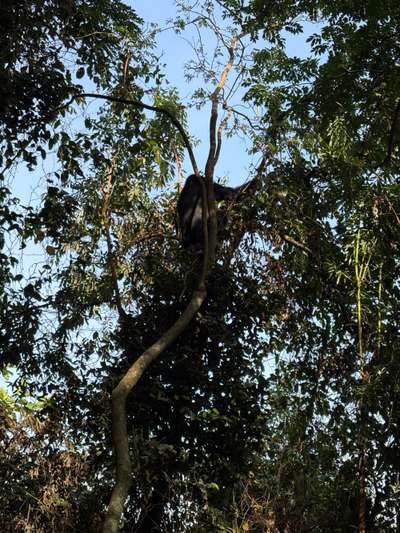
July is the driest month on Buhoma's calendar and the heart of the main dry season. With just 40 to 60 mm of rainfall, trails are at their firmest, trekking is at its easiest, and the gorilla families are accessible on dry forest paths. It is also the busiest month — permits sell out months ahead, lodges operate at capacity, and the village pulses with international visitors. July delivers the most comfortable physical conditions for gorilla trekking, but demands the most advance planning.
Quick Facts
- Temperature (Day):
- 20-24°C
- Temperature (Night):
- 12-13°C
- Rainfall:
- 40-60 mm (driest month)
- Season:
- Main dry season (peak)
- Gorilla Permits:
- Scarce — book 4-6 months ahead
- Tourist Density:
- Very high — peak season
- Best Activity:
- Gorilla trekking in optimal conditions
Weather and Landscape in July
July is Buhoma at its driest. The long rains are a fading memory, and the landscape basks in consistent sunshine. Mornings begin cool and crisp — often clear to the horizon, with views across the valley to the Bwindi ridgeline that are not possible in cloudier months. By midday, temperatures reach a comfortable 22 to 24 degrees, warm enough for a single layer but never oppressive.
Inside the forest, the dry conditions create a different sensory experience. The trail surfaces, normally soft and yielding, become firm clay and compacted leaf litter. The air is less humid, and the canopy drips less. You can hear further — birdsong travels clearly, and the rustle of a gorilla moving through undergrowth is audible from a greater distance. The forest smells drier too, more of earth and bark than the wet-season scent of decay and new growth.
The vegetation, while still decidedly green, shows subtle changes. The lower herbs and grasses thin slightly in the absence of rain, opening up the forest floor and making trail-side visibility better. Epiphytes on tree trunks look slightly less saturated. The overall impression is of a forest that is resting — still lush by any global standard, but quieter and less explosive than the rainy-season peak.
Village Life in July
Buhoma in July is a village at full employment. The tourism economy operates at capacity — every lodge is staffed up, every guide is working, every porter has daily bookings. The craft cooperatives near the park gate see their best sales of the year, with visitors browsing between morning briefings and afternoon relaxation. The small restaurants and tea shops along the main road are busy from dawn to dinner.
The agricultural side of village life shifts to a maintenance phase. The first harvest is complete, and stored grains and dried beans fill the storehouses. Some farmers begin preparing secondary plots for a mid-year planting that will mature before the October rains. Others tend to perennial crops — coffee, banana, and cassava — that require ongoing attention regardless of season.
The social atmosphere changes with the tourist influx. English is heard more frequently on the paths, safari vehicles pass regularly on the main road, and the evening sounds include conversation and laughter from lodge dining rooms rather than the quieter rhythms of the off-season. Some residents welcome the bustle and the income it brings; others prefer the quieter months. Both perspectives are entirely understandable.
Gorilla Trekking in July
This is the month most people picture when they imagine gorilla trekking. The trails are dry and firm, the walking is manageable for most fitness levels, and the clear conditions make navigation straightforward. Rangers lead groups along well-defined paths through the forest, and the physical challenge, while still real, is at its annual minimum.
The gorilla families are spread across their usual territories, with some groups at lower, more accessible elevations. The drier forest means trackers can move more efficiently, and the reduced undergrowth allows clearer sightlines once you reach the family. Photographers benefit from the better light conditions — while the forest interior is always dim, July offers more consistent contrast and fewer moisture issues with lenses.
The morning briefing at UWA headquarters is a bustling scene. All available permits are typically allocated, meaning eight to ten groups of up to eight trekkers each set out into the forest. The anticipation is tangible — visitors from Europe, North America, Asia, and across Africa share the same nervous excitement. Despite the numbers, the forest absorbs everyone. Once you leave the briefing point and enter the tree line, the other groups disappear, and it is just your small party and the ancient woodland.