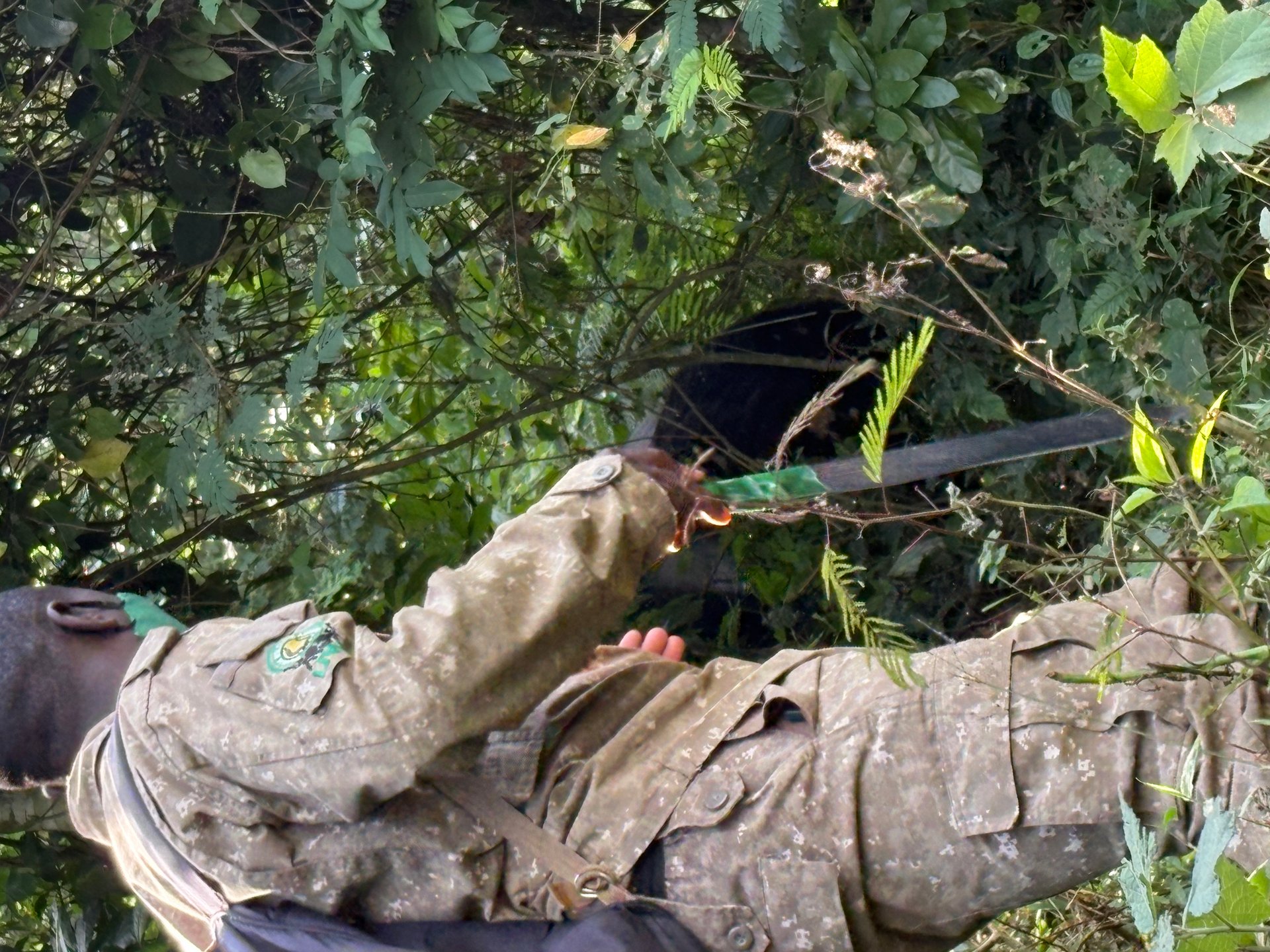
June marks the beginning of the main dry season in Buhoma. Rainfall drops dramatically to 50 to 80 mm, trails firm up rapidly, and the village shifts gear as tourist numbers increase. The landscape still carries the deep green of the rainy months, but the mud recedes and the skies clear. Gorilla trekking conditions improve each week, and the energy in the village rises as lodges fill, guides find steady work, and the craft market buzzes with activity. June is peak season opening — excellent conditions without the full intensity of July and August.
Quick Facts
- Temperature (Day):
- 20-24°C
- Temperature (Night):
- 12-13°C
- Rainfall:
- 50-80 mm (low)
- Season:
- Start of main dry season
- Gorilla Permits:
- Book 3-4 months ahead
- Tourist Density:
- High and rising
- Best Activity:
- Gorilla trekking on improving trails
- Accommodation:
- Buhoma lodge and camp options across all budgets
Weather and Landscape in June
The change from May to June is one of the most noticeable transitions in Buhoma's calendar. The persistent cloud cover breaks apart, mornings dawn with clear blue skies, and the sun returns with authority. Rainfall drops from the 120-plus millimeters of May to just 50 to 80 millimeters — and much of that falls as light, brief showers rather than the sustained downpours of the wet season.
The landscape responds immediately. Paths that were rivers of mud begin to dry and compact. The red earth of Buhoma's roads returns to its characteristic firm surface. Water levels in streams recede, and the forest floor begins to dry — though the deeper sections of the forest retain moisture well into the dry season. The green of the vegetation remains intense, fed by months of rain, but now lit by stronger sunlight that brings out textures and contrasts.
Nights in June are among the coolest of the year. The clear skies that make days pleasant allow heat to radiate away after sunset, and temperatures can dip to 12 degrees or even slightly below in the early hours before dawn. A warm layer for evenings on the lodge veranda is not optional — it is necessary.
Village Life in June
June is harvest time. The crops planted in March have matured through the long rains, and now families reap the results. Maize is cut and dried on flat rocks near homesteads. Beans are pulled from the fields and spread on tarps to dry in the sun. Sweet potatoes are dug from the red earth. The village markets overflow with fresh produce, and the mood is one of quiet satisfaction — the agricultural gamble has paid off.
Simultaneously, the tourism economy wakes up. After the lean months of March through May, when visitor numbers dropped to their lowest, June brings a surge of international travelers. Every Buhoma lodge and guesthouse — from the budget-friendly Buhoma Community Rest Camp at the park gate to the premium-tier properties on the forest edge — rehires seasonal staff and prepares for a full house. Guides, porters, and drivers find regular work. The craft cooperatives restock their shelves with fresh inventory — new baskets, carvings, and woven goods made during the quieter rainy weeks.
The combination of agricultural harvest and tourism revival gives June a distinctly optimistic atmosphere. There is money circulating, food on tables, and work available. The village hums with a productive energy that visitors often remark upon. Walking through Buhoma in June, you feel a community that is thriving on multiple fronts.
Buhoma Gorilla Trekking in June
Buhoma gorilla trekking in June rewards those who planned ahead. Conditions improve progressively through the month — early June trails still show the effects of the wet season, with some sections remaining soft and the occasional muddy stretch demanding careful footing. But by mid to late June, the main routes into the forest are in solid condition. The difference between a June trek and an April trek is dramatic.
The gorillas in June begin to shift their ranging patterns. As some fruit trees complete their wet-season production, the silverbacks lead their families toward areas with different food sources. This can mean slightly longer tracking times compared to the rainy months when food was uniformly abundant. But the walking itself is easier, so the net effort balances out.
Group sizes at the morning briefing increase in June. Where April might have seen three or four groups departing, June may see six to eight. This is still manageable — each group of maximum eight trekkers is assigned to a different gorilla family, and the forest is vast enough to absorb everyone. The briefing area at the UWA headquarters takes on a convivial atmosphere, with travelers from around the world exchanging anticipation and advice.