March marks the beginning of the long rainy season in Buhoma. The dry weeks of January and February give way to heavier, more frequent rainfall — typically 130 to 180 mm for the month, concentrated in afternoon and evening downpours. The landscape undergoes a visible transformation as every surface turns a deeper shade of green. Tourist numbers drop significantly, gorilla permits are easier to secure, and the village turns its focus to planting. For travelers who embrace wet conditions, March offers an authentic, uncrowded experience. Uganda has twelve national parks and three active game reserves offering tourism products including gorilla tracking, nature walks and bird watching — and Buhoma sits at the heart of one of the most visited of them all.
Quick Facts
- Temperature (Day):
- 20-26°C
- Temperature (Night):
- 13-14°C
- Rainfall:
- 130-180 mm (increasing)
- Season:
- Start of long rainy season
- Gorilla Permits:
- Readily available
- Tourist Density:
- Low — quiet season begins
- Best Activity:
- Immersive forest trekking in the rain
Weather and Landscape in March
The transition from dry to wet is not sudden — it unfolds gradually through March. The first week often still feels like an extension of February, with dry mornings and only occasional afternoon clouds. But by mid-March, the pattern changes. Clouds build earlier, the air thickens with humidity, and the first heavy downpours arrive. By late March, rain is a near-daily occurrence.
The rain changes everything. Streams that were gentle trickles in February become rushing channels. The red earth paths through the village turn soft and slippery. Inside the forest, the canopy drips constantly — even between rain events, water falls from leaf to leaf in a perpetual cascade. Waterfalls on the forest trails swell to their most impressive volumes.
The visual transformation is remarkable. What was already green becomes almost impossibly so. New growth appears everywhere — mosses on tree trunks thicken, ferns unfurl along the trail edges, and the undergrowth fills in gaps that were visible during the dry months. The air smells of wet earth and growing things. For those who appreciate the raw power of a tropical rainy season, March in Buhoma is deeply atmospheric.
Village Life and Where to Stay in March
March is planting season, and the village operates with focused agricultural purpose. Every available hand is in the fields. Families work the steep hillside plots, planting maize, beans, sorghum, and millet before the heavier rains of April arrive. The timing is critical — seeds need to be in the ground early enough to establish roots before the peak downpours.
The rain is welcomed, not resented. After the dry weeks of January and February, farmers greet the first sustained showers with visible relief. Water tanks fill, springs strengthen, and the community water points flow more reliably. Children collect rainwater in jerry cans and buckets during downpours.
Daily life adjusts to the rain rhythm. Activities concentrate in the mornings when conditions are drier. Market days proceed rain or shine, with traders covering their goods under plastic sheeting. Evenings are spent indoors earlier than in the dry months, and the sound of rain on corrugated iron roofs is the constant soundtrack of March nights. For visitors, the choice of accommodation matters in this season. A Buhoma lodge with solid infrastructure keeps you dry and comfortable between treks, while the Buhoma Community Rest Camp offers a closer connection to village life at a lower price point — both are well-suited to the quieter low-season atmosphere.
Gorilla Trekking in March
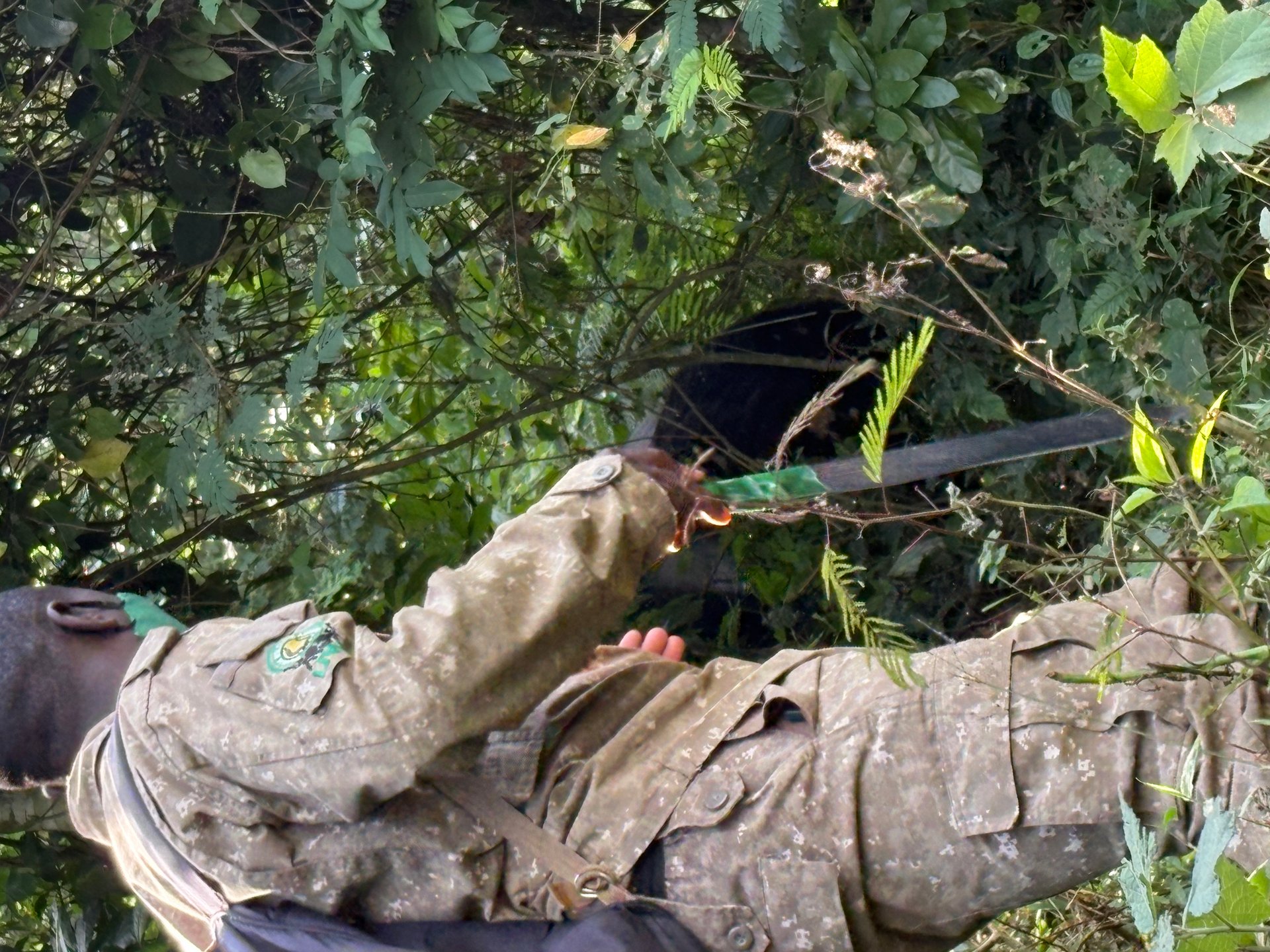
Buhoma gorilla trekking continues without interruption in March, as it does every month of the year. The UWA rangers are well-practiced at navigating wet-season conditions, and the gorillas themselves are entirely unbothered by rain. If anything, the gorillas are more active during and after rain, feeding voraciously on the fresh growth.
The trails, however, demand more from visitors. Mud becomes a significant factor from mid-March onward. Some sections of the forest trails turn into slick clay channels that require careful footwork. Gaiters help keep mud out of boots, and trekking poles or a porter's steadying hand become genuinely valuable rather than optional luxuries. The physical challenge of a March trek is noticeably greater than in dry months.
The reward is an experience that feels more wild and raw. With fewer trekking groups in the forest, the encounter with the gorillas is quieter and more intimate. The lush foliage creates a cocoon of green around the group, and the gorillas, surrounded by abundant food, often appear relaxed and content. Some veteran guides consider the rainy season their favorite time to track — the forest feels alive in a way that dry months cannot replicate.