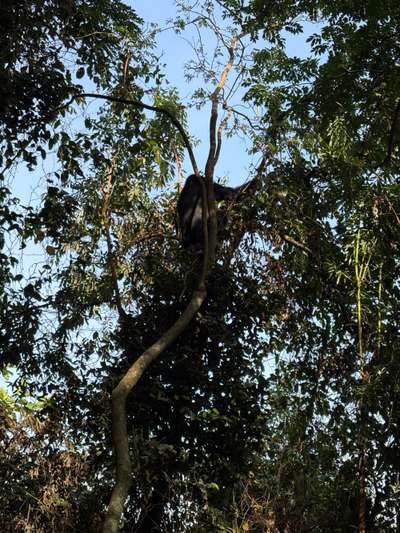
May in Buhoma is a month of transition. The heavy rains of March and April begin to ease, though showers remain frequent — monthly rainfall drops to approximately 120 to 170 mm. The forest is at its absolute peak of lushness, every surface draped in green. Tourist numbers remain low, gorilla permits are easy to obtain, and by late May the first hints of the approaching dry season appear. It is an underrated month that rewards patient travelers with Bwindi at its most verdant.
Quick Facts
- Temperature (Day):
- 20-24°C
- Temperature (Night):
- 13-14°C
- Rainfall:
- 120-170 mm (easing)
- Season:
- Wet-to-dry transition
- Gorilla Permits:
- Readily available
- Tourist Density:
- Low — still off-season
- Best Activity:
- Forest walks through peak-green vegetation
Weather and Landscape in May
May unfolds in two halves. The first two weeks often continue the pattern of April — heavy afternoon rains, saturated soils, and full streams. But around mid-May, something shifts. The interval between showers stretches. Mornings grow longer and drier. By the final week, entire days can pass with only light sprinkles or no rain at all, offering a preview of June's dry season.
The landscape in May is Buhoma at maximum green. Months of sustained rainfall have produced growth on every possible surface. Tree trunks are furred with moss, epiphytic orchids and ferns cascade from branches, and the forest floor is a carpet of decomposing leaves that feeds constant new growth. The air has a rich, organic scent — alive and fertile.
The play of light changes as the month progresses. Early May skies are often uniformly overcast, creating a soft, even light that is actually excellent for photography — no harsh shadows, no blown highlights. As drier days emerge in late May, shafts of golden afternoon light begin to penetrate the canopy again, creating the dappled forest scenes that photographers chase.
Village Life in May
The crops planted in March are now well-established and growing fast. Maize stands knee-high in the hillside plots, bean plants are climbing their supports, and sweet potato vines spread eagerly across every available surface. The village is surrounded by productive gardens that will yield their first harvest in the coming weeks.
May is also the month when the first early beans are harvested — a welcome addition to diets that have relied on stored food from the previous season. Fresh beans cooked with onions and tomatoes appear on family tables, and the mood in the village lifts perceptibly. After months of planting, waiting, and tending, the first tangible results are arriving.
Community life continues at its steady pace. The craft cooperatives near the park gate are quiet but open, and artisans have time to demonstrate their techniques in detail to the few visitors who come through. Basket weavers, woodcarvers, and beadwork artists are happy to explain their processes — a level of personal engagement that is harder to find when dozens of tourists compete for attention in peak season.
Gorilla Trekking in May
Trekking conditions in May improve gradually. Early May trails are still challenging — muddy, slick, and physically demanding. But by the second half of the month, the trails begin to firm. Sections that were impassable without wading through ankle-deep mud in April may be merely damp in late May. The improvement is incremental but real.
The gorillas are well-fed and active. The sustained rains have produced abundant food, and family groups tend to be settled in productive feeding areas rather than ranging widely. This can work in the trekker's favor — shorter tracking times when the gorillas are not moving far between their nesting sites and feeding areas.
The forest itself is the co-star of a May trek. Walking through Bwindi at peak lushness is an experience that transcends the gorilla encounter. The density of life — birds calling from the canopy, butterflies in the clearings, tiny frogs on the leaf litter, millipedes crossing the trail — creates a sense of immersion in one of the most biodiverse ecosystems on the planet. The gorillas are the headline, but the forest in May is the full story.