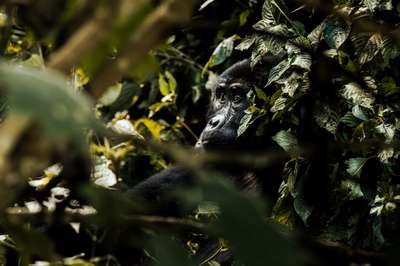
November is Buhoma at its quietest. The light rainy season continues with approximately 130 to 180 mm of rainfall, the village is peaceful, and tourist numbers are at their annual low. Gorilla permits are readily available — often bookable just days in advance. Many lodges offer their lowest rates of the year. The forest is deeply green, the gorillas are well-fed and active, and visitors who come in November experience a Buhoma that feels genuinely untouched by mass tourism. This is the month for budget travelers and those who value solitude.
Quick Facts
- Temperature (Day):
- 20-24°C
- Temperature (Night):
- 13-14°C
- Rainfall:
- 130-180 mm (moderate)
- Season:
- Light rainy season
- Gorilla Permits:
- Very easily available
- Tourist Density:
- Very low — annual minimum
- Best Activity:
- Budget-friendly trekking in solitude
Weather and Landscape in November
November continues the rain pattern established in October, though by the second half of the month, the light rainy season begins to wind down. Rainfall is spread across the month in regular afternoon showers, with mornings typically dry but overcast. The clouds sit lower on the Bwindi ridgeline, and mist is a frequent companion in the early hours.
The landscape is at a vibrant green that rivals the March-May period, though without the same intensity of rainfall. Every hillside garden is productive and growing. The banana plantations are tall and thick-leaved, terraced plots are carpeted with crops at various stages of growth, and the forest edge is a wall of layered green from the ferns at ground level to the canopy towering above.
The light in November has a quality that landscape photographers appreciate. The overcast skies create soft, diffused illumination that brings out the texture and depth of the green scenery without harsh shadows. Mist drifting across the valley floor or through the forest canopy adds mystery and atmosphere to images that are impossible to capture under the clear skies of the dry season.
Village Life in November
November is a month of quiet industry in Buhoma. The secondary crops planted in October are growing well in the rain, and farmers tend their plots with the routine care that defines agricultural life here. Weeding is a constant task — the rain that feeds the crops also feeds the weeds, and families spend hours keeping their fields clear.
With tourism at its lowest ebb, the village economy relies more heavily on agriculture and local trade. The markets are smaller and more local in character, without the tourist-oriented goods that appear in peak season. You will find the basics of Ugandan market life: fresh vegetables, dried beans, cooking oil, soap, and fabric. The social atmosphere is unhurried and domestic.
For visitors, November offers the most authentic glimpse of Buhoma as a working village rather than a tourism destination. Interactions with residents feel less transactional and more personal. A walk through the village in November is not a guided experience past curated highlights — it is simply a walk through a place where people live, work, and go about their day. The warmth of greetings from villagers who have time to stop and talk is one of November's quiet rewards.
Gorilla Trekking in November
November trekking is wet but rewarding. The trails carry accumulated moisture from weeks of rain, and mud is a persistent companion. But the conditions are manageable for anyone with proper boots, reasonable fitness, and a willingness to get dirty. The mud in November is generally less extreme than during the heavy rains of April — fewer deep channels, less standing water, more firm ground between the soft patches.
The gorillas are in excellent condition. Weeks of rain have produced abundant fresh vegetation, and the family groups feed actively on young leaves, shoots, and wild celery. Their coats are thick and healthy, infants are playful, and the silverbacks are often found in relaxed, accessible positions while their families forage around them.
The solitude of a November trek is its defining feature. You may be the only group in the forest, with no other human sounds beyond your own small party. The encounter with the gorilla family unfolds without time pressure or awareness of other groups waiting. Rangers are relaxed and generous with their knowledge, sharing observations and stories that they might not have time for during the rush of peak season. November gives you the gorilla experience as the guides themselves prefer it — slow, intimate, and deeply connected to the forest.