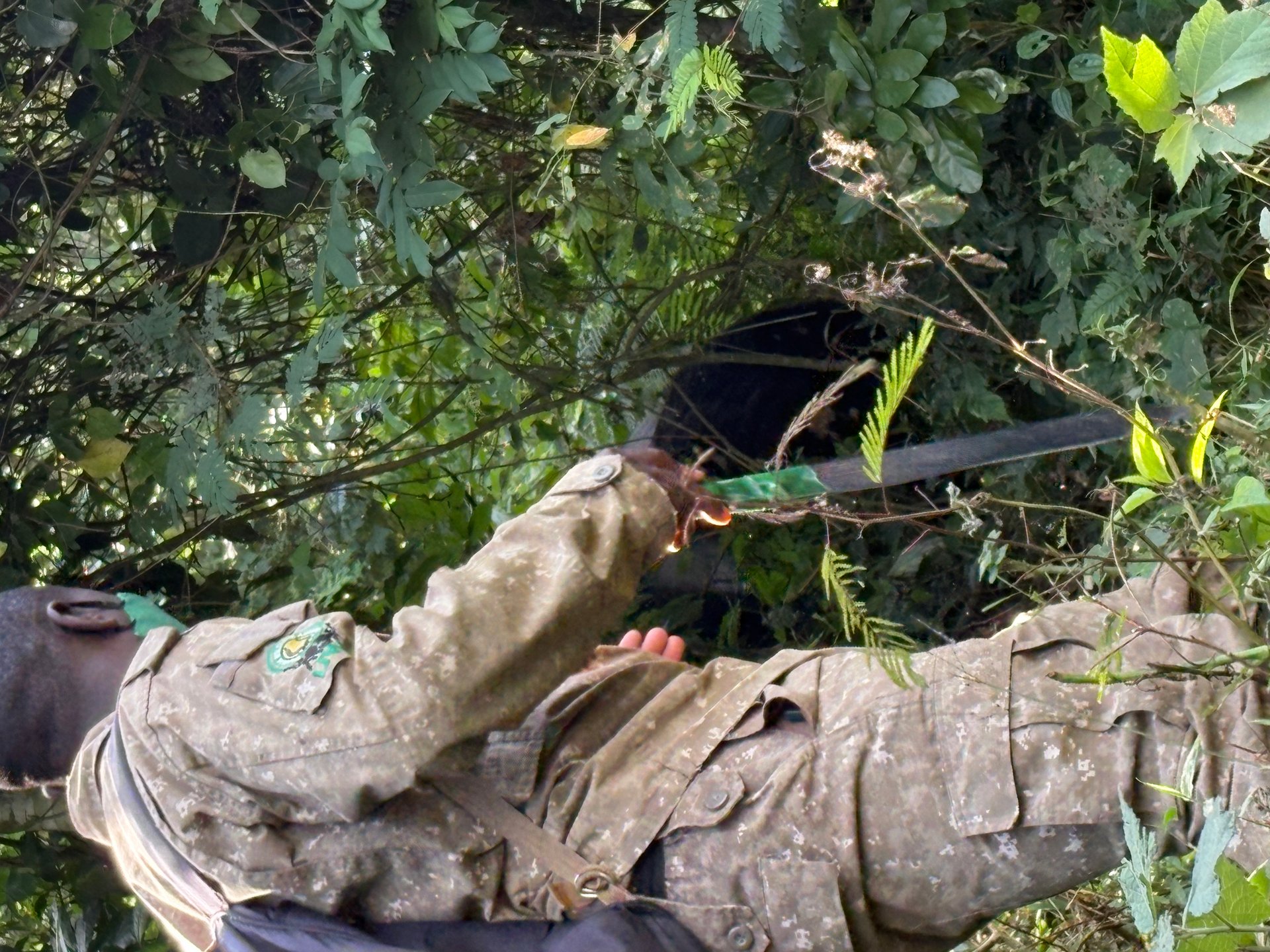
September is the last full month of the main dry season, and many experienced travelers consider it the smartest time to visit Buhoma. Trails are still firm, rainfall is moderate at 100 to 140 mm, and the oppressive peak-season crowds of July and August have eased. Gorilla permits are slightly more accessible, lodges have a touch more breathing room, and the landscape begins a gentle transition toward the light rains. It is the end of the dry season's run — an excellent last chance before the calendar shifts.
Quick Facts
- Temperature (Day):
- 21-25°C
- Temperature (Night):
- 12-13°C
- Rainfall:
- 100-140 mm (transitional)
- Season:
- Dry-to-wet transition
- Gorilla Permits:
- Book 3-4 months ahead
- Tourist Density:
- High but easing from peak
- Best Activity:
- Trekking with drier trails and fewer crowds
Weather and Landscape in September
September is a month of two faces. The first half often continues the dry-season pattern — clear mornings, warm afternoons, and minimal rain. The second half begins to break that pattern as the atmosphere loads with moisture and the afternoon clouds grow taller and darker. A rain event in mid-September feels different from June drizzle — it arrives with more energy, heavier drops, and occasional thunder.
The landscape responds quickly to the changing moisture. Where August showed slightly faded grasses and thinning herbs, September brings fresh green shoots on the hillsides. The contrast is striking: dry-season brown at the base of grass tufts gives way to bright new growth at the tips. Wildflowers appear along the edges of paths and in cleared areas near the village. The forest, ever green, seems to breathe a little deeper as humidity returns to comfortable levels.
Sunsets in September are among the most dramatic of the year. The additional moisture in the upper atmosphere creates vivid color displays as the sun drops behind the western ridges. The evenings are still cool but carry a softer edge than the sharp clear-sky chill of July.
Village Life in September
September brings a subtle change of mood to Buhoma. The intensity of peak tourism eases, and the village catches its breath. Lodge staff, who have worked at full capacity for three months, find slightly more manageable schedules. Guides and porters still work daily but with a touch less pressure. The craft sellers at the park gate shift from the rapid transactions of August to more relaxed conversations with the fewer but often more engaged September visitors.
Agricultural activity picks up again. Farmers begin preparing for the secondary planting season, clearing and turning fields that will receive crops before the October rains. Some early-maturing vegetables from the June planting are harvested. The markets carry a good mix of stored staples and fresh seasonal produce.
The community is also looking ahead to the quieter months. Families use the remaining tourism income to address household needs — school fees for the next term, building materials for home improvements, medical visits. September is pragmatic: the good season is ending, and wise preparation matters.
Gorilla Trekking in September
September trekking conditions are excellent in the first half and good in the second. Trails that have been dry since June remain firm and walkable, though the first serious rain events can soften isolated sections. Rangers adjust routes as needed, and the overall trekking experience remains high-quality.
The gorilla families begin to adjust their behavior as the seasons shift. With some dry-season food sources depleted, groups may move to different parts of their territory in search of fresh growth triggered by the early rains. This can mean slightly unpredictable tracking — some days the gorillas are found quickly, other days the trackers work harder. The variability is part of the adventure.
The trekking groups in September are slightly smaller than in July-August, not because fewer permits are sold but because the overall visitor population is more spread out. The morning briefing feels more convivial and less hectic. Rangers have a moment to share stories and context rather than rushing through logistics. For many visitors, this less pressured start to the day enhances the entire experience.