“I have spent a week riding, but no customers at all — because now we have got a problem. Uganda discovered a border case, and we as people here in Buhoma, we survive on tourism, and we have got a problem here. Tourists are few because of the Ebola.”
— Norman Noel, BodaBoda driver, Buhoma
Norman said this simply, without drama. He was not describing a catastrophe — he was describing a week. A week that he had already lived through more than once, and would probably live through again. In Buhoma, the gap between a confirmed Ebola case somewhere in Uganda and an empty road in the village can be measured in hours: an advisory is issued, a tour operator emails clients, a permit holder cancels. The BodaBoda driver finds this out when nobody arrives at the lodge.
Why an Ebola case anywhere in Uganda affects Buhoma immediately
Buhoma is the northern entry point to Bwindi Impenetrable National Park — one of the most visited wildlife destinations in East Africa. Almost everyone who arrives here has booked months in advance through a tour operator or lodge. When a health advisory reaches those operators, the cancellation chain is fast. The visitor does not check a map. They read “Uganda — Ebola risk” and they cancel.
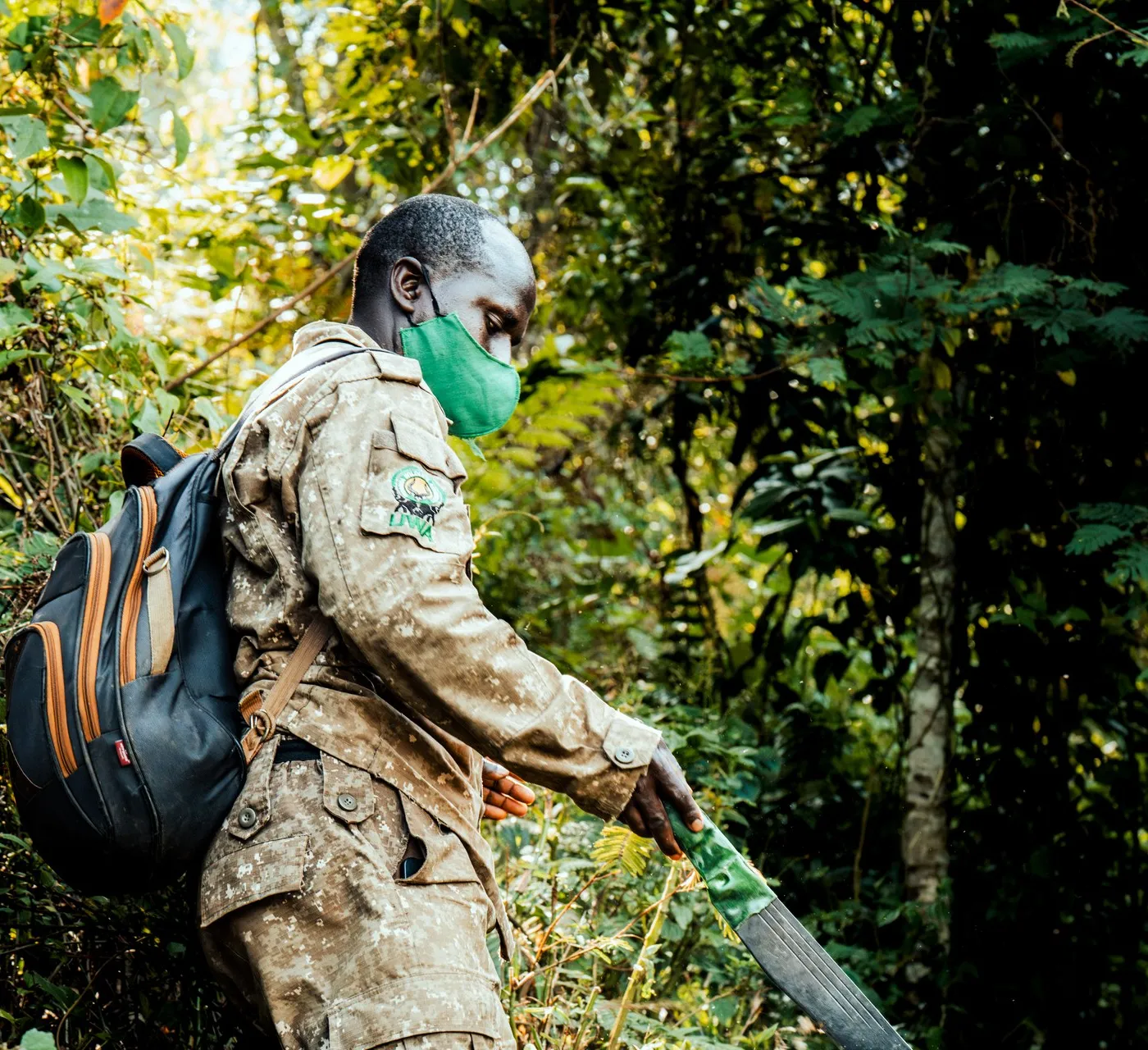
The 2018 Ebola outbreak in Uganda was declared over by the Uganda Ministry of Health, but the period between confirmation and declaration lasted long enough for Buhoma to feel it. Guides sat at the park gate with no trekkers. Lodge staff prepared rooms that were not occupied. And Norman rode the murram road between the village and the lodge, day after day, with an empty passenger seat.
What “we survive on tourism” actually means
Norman's phrase — “we as people here in Buhoma, we survive on tourism” — is not a complaint. It is an accurate economic description. Buhoma has no significant agricultural export, no factory, no large employer beyond the national park. The lodges, the guides, the porters, the craft sellers, the market traders and the BodaBoda drivers all trace their income, directly or indirectly, to the roughly 150–200 tourists per day who arrive to trek during peak season.
During our eleven-day stay in January 2026, and across further visits in April and May 2026, this dependency was visible at every level. The fuel station had two pumps and mostly served BodaBodas. The market ran twice a week. The small shops stocked staples — beans, maize flour, cooking oil — because that is what people could afford in a slow week. Emily Assimwe, who runs a store in the village, knows exactly which weeks the tourists come and which they do not. The shelves reflect it.
Norman's plan: move from vulnerability to resilience
Norman is not waiting for the next crisis. He knows it will come — another Ebola scare, a political disruption, a pandemic, a bad rainy season that closes the approach road. His response is the same as it has always been for people who live at the edge of a single-income economy: diversify.
“If I can get a chance of getting a driving licence, I will have to expand my business of driving. At least I advance from a motorcycle to a car. I meet my friends from USA, UK, Germany, everywhere. I start exploring Uganda as my dream for exploring.”
— Norman Noel, BodaBoda driver, Buhoma
A car means longer transfers, higher fares, and the ability to serve visitors who want to reach Lake Bunyonyi, the crater lakes, or Kabale without depending on lodge-arranged transport. A driving licence — specifically a commercial permit — is the administrative step that makes this legal. The barrier, as Norman has said clearly, is not willingness or skill. It is capital and access: the fee, the paperwork, the time away from daily earnings.
He is not asking for charity. He is describing a structural problem that anyone who has tried to formalise a small business in rural East Africa will recognise: the system requires resources that the people who most need the system rarely have.
What this means for visitors
When you book a gorilla trekking permit in Buhoma, you are not just visiting a national park. You are the reason Norman is on the road that morning. You are the reason the lodge kitchen is open, the craft sellers have set up, the guide has put on his uniform. One cancelled permit ripples through more livelihoods than the permit price suggests.
The most practical thing a visitor can do — beyond booking in the first place — is book directly with local service providers where possible. Ask your lodge who their recommended BodaBoda driver is. Hire a local driver for day trips rather than using a vehicle arranged from Kampala. Buy from the market. These are not grand gestures. They are the difference between Norman having a customer that day or not.
If you are visiting Buhoma
- —Ask your lodge to arrange a BodaBoda from a local driver — not a fleet vehicle from outside
- —For day trips to nearby sites, hire a local driver with a private vehicle
- —Buy provisions from the village market, not only from your lodge
- —Tip guides and porters — they have no salary during days without trekkers
- —If your permit date is at risk, contact your operator early rather than silent-cancelling
When Tourism Stops in Buhoma
How Buhoma has weathered Ebola, COVID and political disruptions
BodaBoda in Buhoma
How motorcycle taxis work and what Norman's service offers
Norman — Voices of Buhoma
Norman's full profile: BodaBoda driver, entrepreneur, local guide
Gorilla Trekking Permits
How to book, what to expect, and what happens if you need to cancel
Frequently Asked Questions
Last updated: September 2026