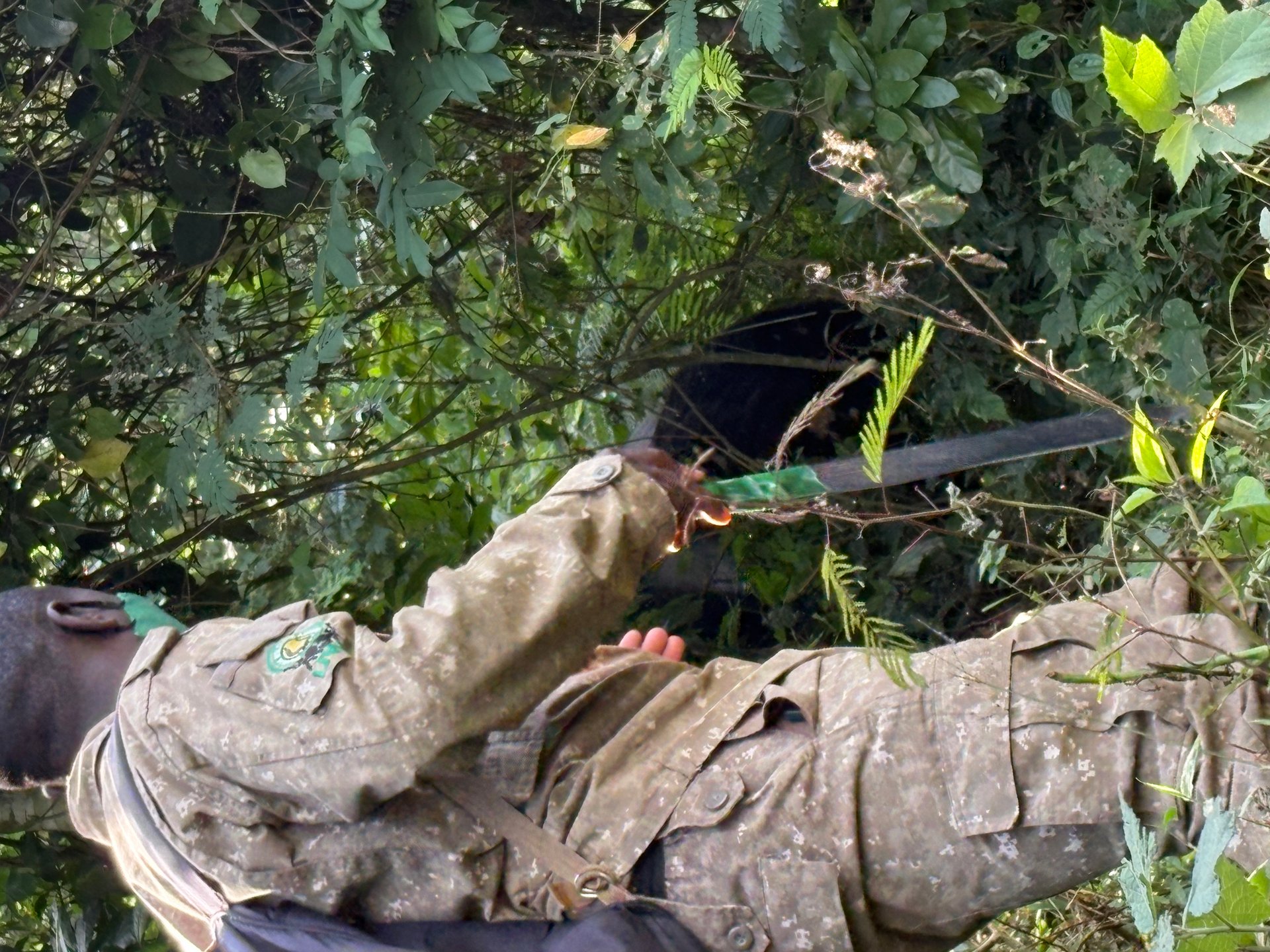
A gorilla trekking trip to Buhoma costs between $900 and $2,500+ USD per person (excluding international flights). The permit is the largest expense at $800 USD. Accommodation ranges from $25/night (budget) to $500+/night (luxury). Transport from Kampala adds $150–$400. Budget for tips, meals, and incidentals at $50–$100 additional. For practical strategies to minimize each cost, see the budget gorilla trekking guide.
Quick Facts
- Gorilla Permit:
- $800 USD (foreign non-resident)
- Budget Trip Total:
- ~$900–$1,100 per person (3 days)
- Mid-Range Total:
- ~$1,300–$1,800 per person (3 days)
- Luxury Total:
- $2,000–$3,500+ per person (3 days)
- Budget Lodge:
- $25–$60/night
- Luxury Lodge:
- $350–$600+/night
- Transport (Kampala):
- $150–$250 one way by road
- Tips (Porter + Ranger):
- $20–$40 per person
Cost Breakdown by Category
Understanding where your money goes helps you plan a realistic budget. Here is a detailed breakdown of every expense you are likely to encounter on a gorilla trekking trip to Buhoma.
1. Gorilla Trekking Permit — $800 USD
The permit is your single largest expense and the one cost that is fixed regardless of how you travel. At $800 USD for foreign non-residents, it covers your park entrance fee, the ranger guide, armed escorts, and your one-hour gorilla viewing session. Foreign residents pay $600 USD, and East African citizens pay UGX 300,000 (approximately $80 USD).
There are no discounts on permits. The price is set by the Uganda Wildlife Authority and is the same whether you book directly or through a tour operator. Some operators include the permit in their package price, while others list it separately — always clarify.
2. Accommodation — $25 to $600+ per Night
Buhoma has accommodation for every budget. You will need at least 2 nights (arrive the afternoon before, trek the next morning, potentially stay one more night before departing). Here is what to expect at each price tier:
| Category | Price Range | What to Expect |
|---|---|---|
| Budget | $25–$60/night | Community guesthouses, basic rooms, shared or private bathrooms, simple meals. Clean and functional. |
| Mid-Range | $100–$250/night | Comfortable cottages or tented camps, en-suite bathrooms, restaurants, hot water, often half-board. |
| Luxury | $350–$600+/night | Premium forest camps, full-board dining, spa, guided activities, gorilla-view suites, exceptional service. |
For a 2-night stay, budget travelers spend approximately $50–$120 on accommodation, mid-range travelers $200–$500, and luxury travelers $800–$1,200+.
3. Transport — $150 to $800
Getting to Buhoma is part of the adventure, and transport costs vary significantly based on your chosen method:
| Method | Cost (One Way) | Duration |
|---|---|---|
| Private 4x4 + Driver | $150–$250 | 8–10 hours from Kampala |
| Charter Flight + Transfer | $250–$400 per person | 1 hour flight + 1.5 hours drive |
| Public Transport | $15–$30 per person | 10–14 hours (multiple changes) |
A private 4x4 with driver is the most popular option and can be shared between travelers to reduce per-person costs. The round trip from Kampala costs $300–$500 total. Charter flights save significant time but are the most expensive option.
4. Tips and Gratuities — $20 to $40
Tipping is an important part of the gorilla trekking economy and directly supports local community members. Standard tip ranges per person are:
- Porter: $10–$20 USD (highly recommended to hire one)
- Ranger Guide: $10–$20 USD
- Driver (if applicable): $5–$10 USD per day
- Lodge staff: $5–$10 USD total for your stay
5. Meals and Drinks — $10 to $50 per Day
If your lodge includes meals (common for mid-range and luxury options), your daily food costs are minimal — perhaps just water, snacks, and the occasional drink. If meals are not included, expect to spend:
- Budget meals: $5–$10 per meal at local restaurants in Buhoma
- Lodge restaurant meals: $10–$25 per meal
- Drinks and snacks: $3–$10 per day
- Packed lunch for trek day: Often provided by lodges, or $5–$10 to arrange
6. Optional Extras
Buhoma offers several additional activities that enhance your trip. These are optional but worthwhile:
- Community walk: $20–$30 per person
- Batwa cultural experience: $30–$50 per person
- Forest nature walk (no gorillas): $30 per person
- Birdwatching guided walk: $30–$50 per person
- Coffee experience: $15–$25 per person
- Craft purchases: $5–$50+ depending on items
- Laundry at lodge: $5–$15
Sample Budgets for 3-Day Trips
Here are realistic per-person budgets for a 3-day, 2-night trip to Buhoma (excluding international flights and visa):
Budget Traveler — ~$950 USD
- Gorilla permit: $800
- Accommodation (2 nights budget guesthouse): $70
- Transport (shared private vehicle, round trip): $100
- Meals (6 meals): $40
- Tips (porter + ranger): $25
- Incidentals: $15
Mid-Range Traveler — ~$1,500 USD
- Gorilla permit: $800
- Accommodation (2 nights mid-range lodge, half-board): $350
- Transport (private 4x4, round trip): $200
- Meals (lunch + drinks, some included): $80
- Community walk: $25
- Tips (porter + ranger + driver): $50
- Crafts and incidentals: $50
Luxury Traveler — ~$2,800 USD
- Gorilla permit: $800
- Accommodation (2 nights luxury lodge, full-board): $1,000
- Transport (charter flight + transfer): $800
- Drinks and extras: $100
- Cultural experience: $50
- Tips (porter + ranger + driver + lodge): $80
- Spa, crafts, incidentals: $150
Money-Saving Tips
- Choose Uganda over Rwanda. The $800 per-person permit savings is the single biggest way to reduce costs. The gorilla experience is equally exceptional in both countries.
- Travel in low season. April–May and November offer the easiest permit availability, and some lodges reduce rates by 20–40%. You will trek in rainier conditions, but Bwindi is a rainforest — it rains in dry season too.
- Share transport costs. A private 4x4 from Kampala costs the same whether one person or three are inside. Find travel companions through your lodge, tour forums, or travel groups.
- Stay in community-owned accommodation. Budget guesthouses in Buhoma are clean and safe, and your money goes directly to local families.
- Book the permit yourself through UWA. This avoids any markup a tour operator might add. However, the convenience of an operator may be worth the small extra cost for first-time visitors.
- Combine with other destinations. If you are already in East Africa, adding Bwindi to an existing itinerary reduces the per-destination cost of flights and travel logistics.
Where Your Money Goes
Understanding where your tourism dollars end up adds meaning to the expense. Gorilla trekking is one of the most impactful forms of tourism on the planet:
- 20% of park revenue goes directly to communities surrounding Bwindi through UWA's revenue-sharing program
- Permit fees fund ranger salaries, anti-poaching patrols, gorilla veterinary care, and park maintenance
- Lodge stays employ local staff — cooks, cleaners, guides, gardeners, managers — providing stable income in a rural area
- Porter and guide tips go directly into local pockets, supporting families and school fees
- Community activities fund cooperatives, schools, and health programs
The mountain gorilla population has grown from 620 in the 1990s to over 1,060 today — a conservation success funded almost entirely by tourism revenue. Every dollar you spend on gorilla trekking contributes to this ongoing recovery.
Related Guides
Gorilla Permit Guide
Detailed guide to booking your $800 permit through UWA — process, timing, and tips.
Best Lodges in Buhoma
Where to stay at every budget level — from $25 guesthouses to $500+ luxury camps.
What To Expect
Detailed walkthrough of your trekking day so you can prepare properly.
Gorilla Trekking FAQ
Answers to 20+ questions about planning your gorilla trekking trip.