Your gorilla trekking day begins with a 7:30 AM briefing at Buhoma park headquarters, followed by a guided hike through Bwindi's dense rainforest lasting 2 to 8 hours. Once you find the gorilla family, you spend one extraordinary hour observing them at close range. Hire a porter, bring rain gear and sturdy boots, and prepare for one of the most powerful wildlife experiences on Earth.
Quick Facts
- Briefing Time:
- 7:30 AM at Buhoma Park HQ
- Trek Duration:
- 2–8 hours (varies daily)
- Time With Gorillas:
- 1 hour (strictly enforced)
- Group Size:
- 8 trekkers maximum
- Minimum Distance:
- 7 meters from gorillas
- Porter Cost:
- $10–20 USD tip (highly recommended)
- Terrain:
- Steep, muddy, dense forest
- Return Time:
- Typically 1:00–4:00 PM
The Night Before Your Trek
Most trekkers arrive in Buhoma the afternoon or evening before their trek. Your lodge is likely within a short walk or drive of the park headquarters. Use this time to settle in, check your gear, charge your camera batteries, and get an early dinner. Many lodges will prepare a packed lunch or early breakfast for trekkers — ask the night before.
Lay out everything you need the night before: waterproof hiking boots, long trousers, long-sleeved shirt, rain jacket, daypack with water and snacks, camera, gardening gloves, and insect repellent. Being organized in the morning eliminates stress and ensures you arrive at the headquarters on time.
Try to get a good night's sleep. The trek can be physically demanding, and you want to be rested and alert. The excitement often makes sleeping difficult, but even resting in bed will help.
6:30 AM — Early Morning Preparation
Wake up early and have a solid breakfast. Carbohydrates and protein will fuel you through a potentially long day of hiking. Most Buhoma lodges serve breakfast from 6:00 AM for trekkers. Eat well — you may not have another proper meal until you return in the afternoon.
Fill your water bottles (at least 2 liters), apply sunscreen and insect repellent, double-check your daypack, and use the bathroom before heading to the park headquarters. The walk from most lodges takes 5 to 15 minutes.
7:30 AM — The Briefing at Park Headquarters
All trekkers for the day gather at the Buhoma park headquarters. The atmosphere is charged with anticipation — people from around the world, all here for the same extraordinary encounter. Present your passport (the name must match your permit) and check in at the registration desk.
A senior UWA ranger delivers the briefing, covering the rules and guidelines for the trek:
- Maintain a minimum distance of 7 meters from the gorillas
- No flash photography under any circumstances
- Turn away and cover your mouth if you need to cough or sneeze
- Do not eat or drink within close proximity of the gorillas
- Keep your voice to a whisper during the encounter
- Do not make sudden movements or run
- If a gorilla charges, crouch down slowly and avoid eye contact
- Do not touch the gorillas, even if they approach you
After the briefing, rangers assess the group's fitness levels and assign each group of 8 to a specific gorilla family. If you have mobility concerns, mention this during the briefing — rangers will assign you to a family that is expected to be closer or on easier terrain that day.
8:00 AM — The Trek Begins
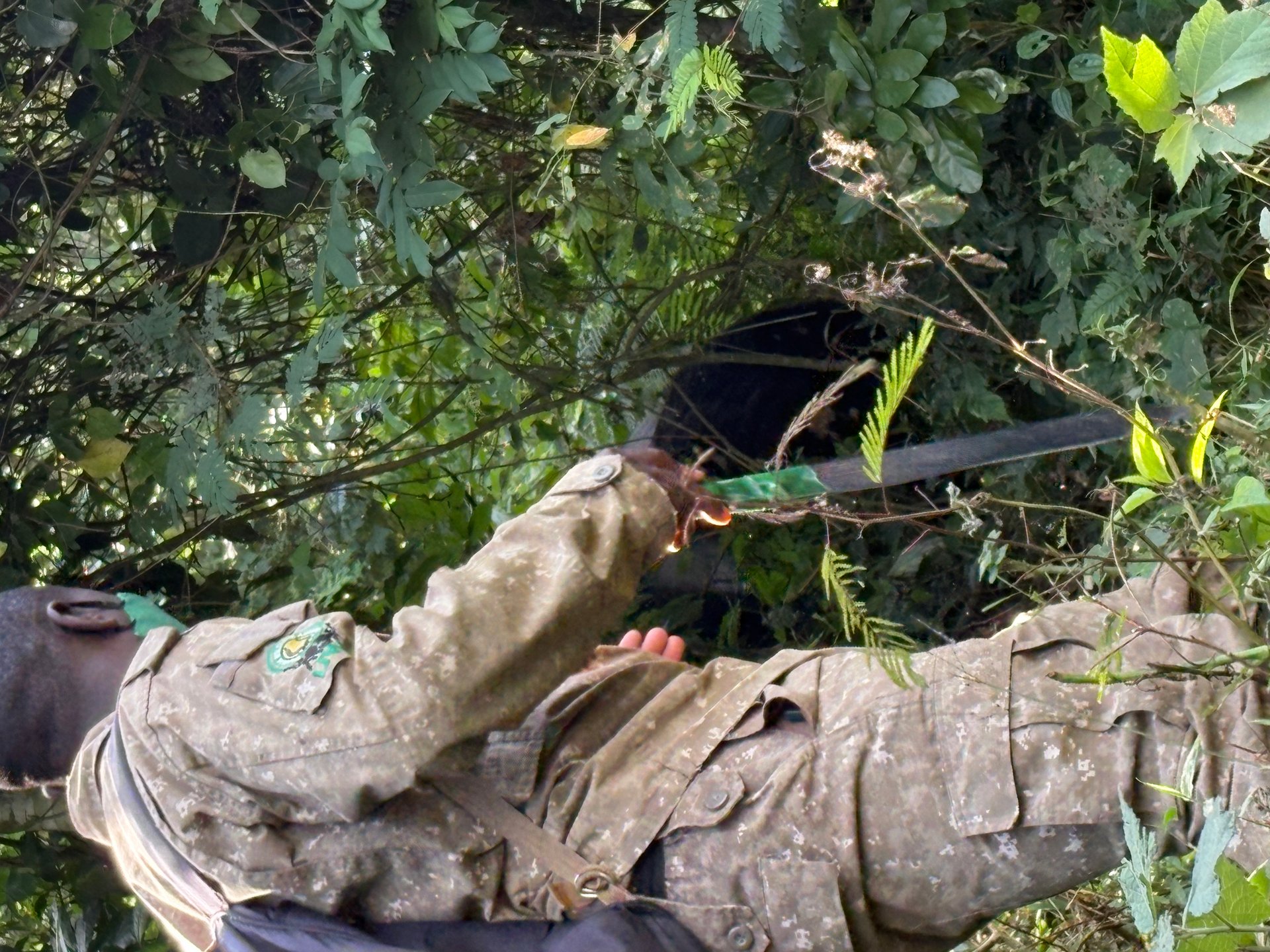
Your group of 8 trekkers sets off with a lead ranger guide, one or two armed rangers, and the trackers who have been following the gorillas since before dawn. If you've hired a porter (and you should), they will take your daypack and walk beside you.
The first stretch may follow a maintained trail before you plunge into the forest proper. The Bwindi Impenetrable Forest lives up to its name — the vegetation is extraordinarily dense, a tangle of trees, ferns, vines, mosses, and undergrowth that filters the sunlight into a green glow. The trail is often steep and muddy, weaving through thick vegetation with frequent ascents and descents.
Your ranger guide sets a pace appropriate for the group, stopping regularly for water breaks and rest. Along the way, they point out interesting flora and fauna: medicinal plants used by local communities, colorful birds flitting through the canopy, monkeys chattering overhead, and the intricate ecology of the montane rainforest.
The duration of this hiking phase depends entirely on where the gorillas are. Tracker teams who went out at dawn communicate the gorillas' location by radio. Some days, the family is feeding just 30 minutes from the trailhead. On other days, they may have moved deep into the forest, requiring 4 to 6 hours of hiking to reach them.
The Moment You Find Them
The tracker radios ahead that the gorillas have been located. Your ranger instructs the group to leave backpacks with the porters, take only cameras, and follow in single file. The pace slows. Voices drop to whispers. Your heart rate rises.
Then, through the curtain of leaves, you see them. A massive silverback, perhaps 200 kilograms, sitting in a nest of crushed vegetation, watching you with dark, intelligent eyes. A female nearby, nursing an infant. Juveniles tumbling over each other in play. The sound of munching as they strip leaves from branches.
This is the moment. The reason you traveled thousands of miles. The reason you invested in the permit, the flights, the hiking boots. Nothing — no photograph, no documentary, no description — can prepare you for the emotional power of being in the presence of these animals in their wild home. Most people are moved to tears.
Your One Hour With the Gorillas
The ranger starts a timer the moment the group is settled and observing. You have exactly 60 minutes. It will feel like 10.
During this hour, the gorilla family continues its daily routine as if you were not there. The habituated families are accustomed to human visitors and display natural behavior. You may observe:
- Feeding: Gorillas spend up to 30% of their day eating. They consume leaves, shoots, stems, bark, fruit, and occasionally ants and termites.
- Grooming: Social grooming strengthens bonds within the family. Females groom the silverback, mothers groom infants, and juveniles groom each other.
- Playing: Young gorillas are endlessly playful — wrestling, climbing, swinging from branches, and tumbling over the silverback who tolerates it all with patient indifference.
- Resting: Gorillas build day nests from vegetation and rest during the middle of the day. You may find the family in a midday rest period.
- Displays: The silverback may beat his chest, a dramatic sound that reverberates through the forest. This is a display of strength and authority, not necessarily aggression.
- Vocalizations: Listen for soft belch vocalizations (a sign of contentment), grumbles, and the distinctive cough-bark that the silverback uses to communicate.
Your ranger guide whispers commentary throughout, identifying individual gorillas by name, explaining behaviors, and sharing the family's history. Take photos, but also spend time simply watching. Put the camera down for stretches and absorb the experience with your own eyes. The memory of this hour will stay with you for a lifetime.
When the ranger announces that time is up, it feels impossibly sudden. The group retreats slowly and quietly, leaving the gorillas undisturbed. The walk away from the family is often emotional — many trekkers describe feeling a profound sense of gratitude and responsibility for these magnificent creatures.
The Walk Back
The return trek follows the same route or a different path back to the trailhead, depending on the terrain. The walk back often feels easier — partly because it is often more downhill, and partly because your spirits are soaring from the encounter. Your ranger and fellow trekkers share stories and excitement about what you just experienced.
Back at the park headquarters, you receive your gorilla trekking certificate and have the chance to thank and tip your ranger and porters. This is also a good time to share contact details with fellow group members — the shared experience creates bonds that last.
Most trekkers return to their lodge between 1:00 and 4:00 PM, depending on the trek length. A hot shower, a cold drink, and a late lunch feel extraordinarily satisfying after a morning in the forest.
Essential Packing List
Clothing
- Waterproof hiking boots (ankle support essential)
- Long trousers (tuck into socks)
- Long-sleeved shirt
- Rain jacket or waterproof poncho
- Gardening gloves
- Hat for sun protection
- Warm layer (mornings can be cool)
Gear & Supplies
- Camera (no flash — good low-light capability)
- At least 2 liters of water
- Energy snacks (granola bars, nuts)
- Insect repellent
- Sunscreen
- Packed lunch or snacks
- Small daypack
- Cash for porter tip ($10–20 USD)
Tips From Experienced Trekkers
- Hire a porter. This is the single most common piece of advice from returning trekkers. The $10–20 tip is a tiny fraction of your trip cost and makes an enormous difference to your comfort and energy levels. Porters are strong, experienced, and know the terrain.
- Start training weeks before. Regular walking, stair climbing, and hiking will prepare your legs and lungs for the altitude and terrain. You do not need to be an athlete, but basic fitness makes the experience far more enjoyable.
- Tuck your trousers into your socks. This prevents safari ants from climbing up your legs. Ants are a nuisance in the forest — if you feel a sharp bite, check your clothing immediately.
- Bring a rain jacket, not an umbrella. You need both hands free for grabbing vegetation on steep slopes and holding your camera. A rain jacket keeps you dry while keeping your hands available.
- Lower your expectations for photography. The forest is dark and the gorillas often sit in deep shade. Accept that some shots will be blurry or dark. The best photos come from patience, not equipment. And remember to put the camera down sometimes and simply be present.
- Eat a big breakfast and bring extra water. You are doing sustained physical activity at altitude. Dehydration and low energy make the trek much harder than it needs to be.
- Listen to your ranger. They know the forest, the gorillas, and how to keep everyone safe. Follow their instructions promptly and without question.
Related Guides
Gorilla Trekking Overview
Complete guide to gorilla trekking in Buhoma — everything from permits to conservation.
Gorilla Permit Guide
How to book your $800 permit through UWA and when to book for your preferred dates.
Gorilla Trekking Costs
Complete cost breakdown for your gorilla trekking trip — budget planning made easy.
Best Lodges in Buhoma
Where to stay the night before and after your trek.