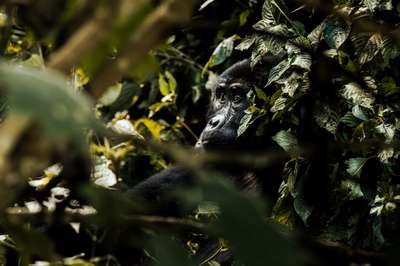
Buhoma sector is home to four habituated gorilla families available for trekking: Mubare (habituated 1993, the first in Uganda), Habinyanja (one of the largest groups), Rushegura (split from Habinyanja in 2002), and Katwe (a newer addition). Each family has its own history, personality, and social dynamics that make every trek unique.
Quick Facts
- Families in Buhoma:
- 4 habituated groups
- Daily Permits:
- Up to 32 (8 per family)
- Oldest Family:
- Mubare (habituated 1993)
- Largest Family:
- Habinyanja (~17 members)
- Easiest Trek:
- Rushegura (often at lower elevations)
- Total Gorillas in Bwindi:
- ~459 individuals
Mubare Group — Where It All Began
The Mubare group holds a legendary status in gorilla conservation. Named after Mubare hill where they were first located, this family became the first gorilla group in Bwindi to be fully habituated to human presence in 1993. Their habituation marked the beginning of gorilla tourism in Uganda and proved that sustainable wildlife tourism could fund conservation while improving local livelihoods.
Over three decades, the Mubare group has faced natural challenges. The original silverback, Ruhondeza, was one of the most photographed gorillas in Africa until his death in 2012 at an estimated age of over 50. Leadership transitions are difficult periods for any gorilla family, and Mubare has experienced several. Despite this, the group has persisted and continues to be tracked by visitors from around the world.
The Mubare group tends to range in areas with moderately steep terrain near Mubare hill. Trek difficulty is moderate and typically takes 2 to 5 hours. Because of their historical significance, many returning visitors specifically request Mubare for the connection to gorilla conservation history.
Habinyanja Group — The Big Family
Habinyanja is consistently one of the largest gorilla families in the Buhoma sector, with membership fluctuating around 17 individuals. The name comes from the Rukiga word for “near the swamp,” referring to the area where the group was first encountered during the habituation process, which was completed in 1999.
This family is a favorite among visitors for several reasons. Its large size means there is always activity to observe — infants playing, juveniles wrestling, females grooming, and the silverback keeping watch. The family dynamics are complex and fascinating, with multiple adult females, several juveniles, and typically one or two blackback males growing toward maturity.
Habinyanja played a pivotal role in gorilla research when part of the group split off in 2002 to form the Rushegura family. Such fission events are important for geneticists studying gorilla population dynamics. Today, Habinyanja remains one of the most reliable groups for excellent sightings, with treks ranging from easy to moderately difficult depending on the family's daily movements.
Rushegura Group — The Gentle Giants
The Rushegura group formed in 2002 when several females and a silverback separated from the Habinyanja family. Named after the Rushegura area of the forest where they established their range, this family has become known for its relatively calm temperament and tendency to range at lower elevations.
Rushegura is often recommended for visitors with moderate fitness levels because the group frequently stays in areas that require less strenuous hiking. They are sometimes found near the forest edge, and on rare occasions have been known to wander into the grounds of nearby lodges — an unforgettable sight for lucky guests.
The family currently has around 10 to 12 members. Their relaxed nature around humans makes for some of the most intimate and prolonged gorilla encounters in Buhoma. Trekkers visiting Rushegura often report that the gorillas seem entirely unbothered, going about feeding and social grooming as if the human visitors were simply part of the forest.
Katwe Group — The New Addition
The Katwe group is a more recently habituated family in the Buhoma sector. As gorilla tourism in Bwindi has grown, UWA has invested in habituating additional families to spread the visitor load and generate more conservation revenue. Katwe adds capacity to the Buhoma sector and offers trekkers the chance to visit a family with different dynamics from the more established groups.
Being a newer group, Katwe is less documented in popular travel literature, which gives visits a sense of discovery. The family's range and trek difficulty vary, but rangers at the morning briefing will provide current information on the group's location and estimated trek duration.
Other Gorilla Families in Bwindi
While Buhoma is the most popular sector, Bwindi Impenetrable National Park has four trekking sectors in total, each with its own habituated gorilla families:
- Ruhija Sector — Home to Bitukura, Oruzogo, and Mukiza groups. Located in the east of the park at higher elevation, offering a different forest experience.
- Rushaga Sector — The sector with the most gorilla families, including Nshongi, Mishaya, Kahungye, Busingye, and Bweza. Also offers the gorilla habituation experience.
- Nkuringo Sector — Home to the Nkuringo family, accessible from the southern side of the park. Known for steep terrain and dramatic scenery.
However, Buhoma remains the preferred choice for most visitors due to its accessibility, accommodation options, and the long history of its gorilla families. The familiarity of Buhoma's gorilla groups with human visitors often makes for more relaxed, close-range encounters.
Understanding Gorilla Social Structure
Mountain gorillas live in family groups led by a dominant silverback — a mature male over 12 years old, named for the distinctive silver-gray hair on his back. The silverback makes all major decisions: where the group travels, when they rest, and he mediates conflicts within the family.
A typical family includes the dominant silverback, several adult females (who have usually transferred from their birth groups), their offspring at various ages, and sometimes one or more subordinate blackback males (aged 8–12 years). Young males eventually leave to either form their own group by attracting females from other families, or they may challenge an existing silverback for leadership.
Females are the social glue of a gorilla family. They form bonds with the silverback and with each other, and spend much of their time nurturing infants and juveniles. A female gorilla typically gives birth every 4 years, and infants are entirely dependent on their mothers for the first 3 years of life.
Understanding this social structure enriches the trekking experience enormously. When you observe a family in the wild, you can read the dynamics — the watchful silverback, the attentive mothers, the playful juveniles testing their boundaries, and the adolescent blackbacks who will one day strike out on their own.
Related Guides
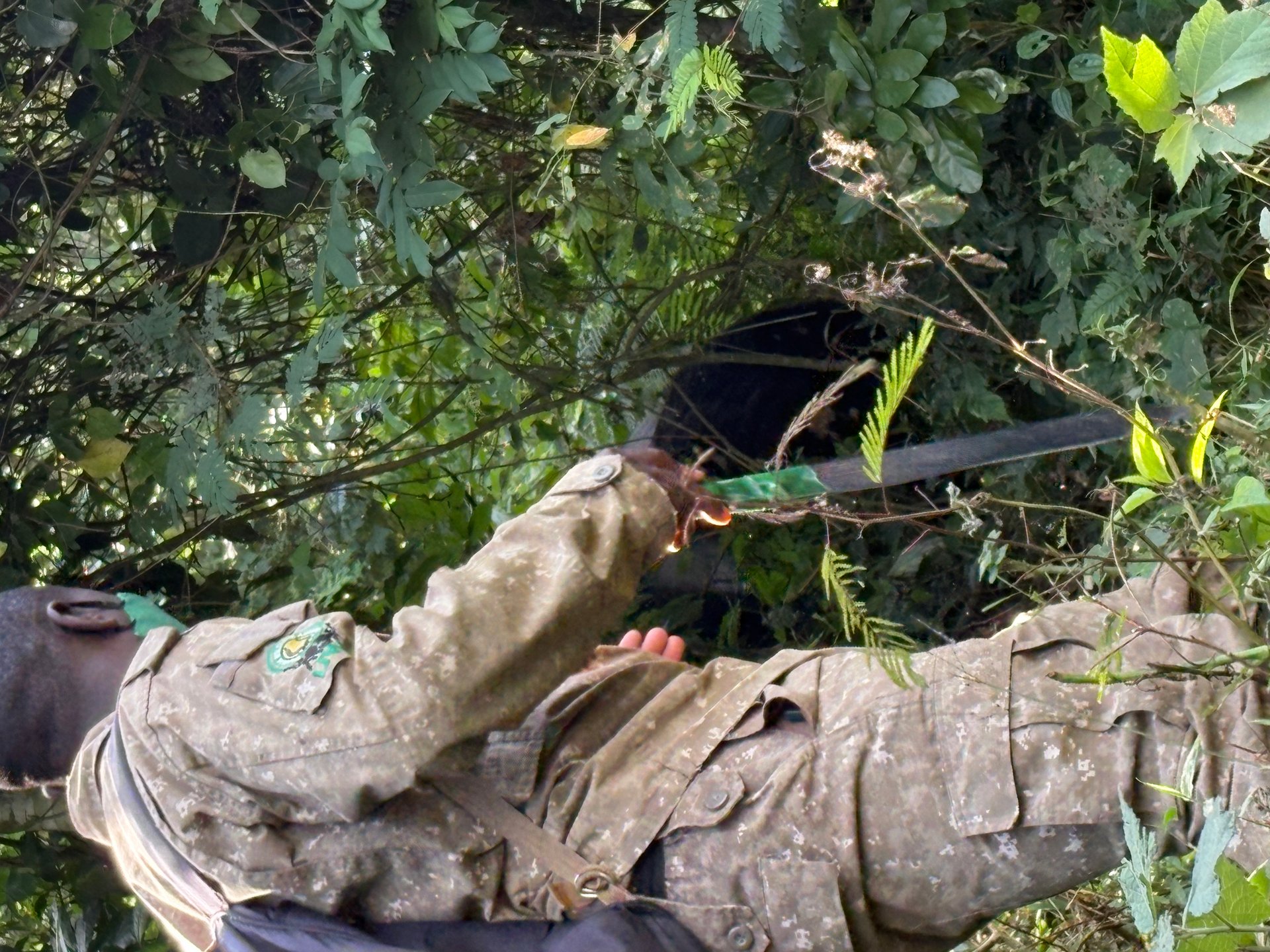
Gorilla Trekking Overview
Complete guide to gorilla trekking in Buhoma — permits, preparation, and what to expect.
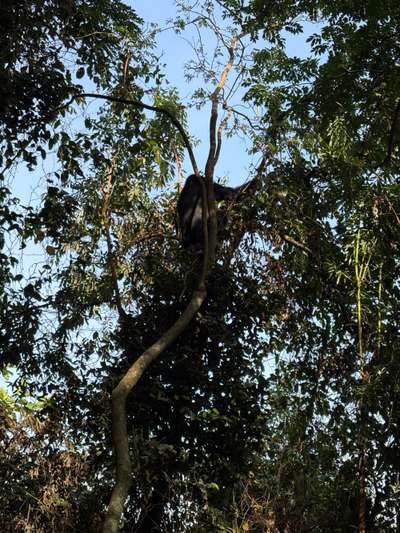
What To Expect on a Trek
Hour-by-hour walkthrough of your gorilla trekking day in Buhoma.
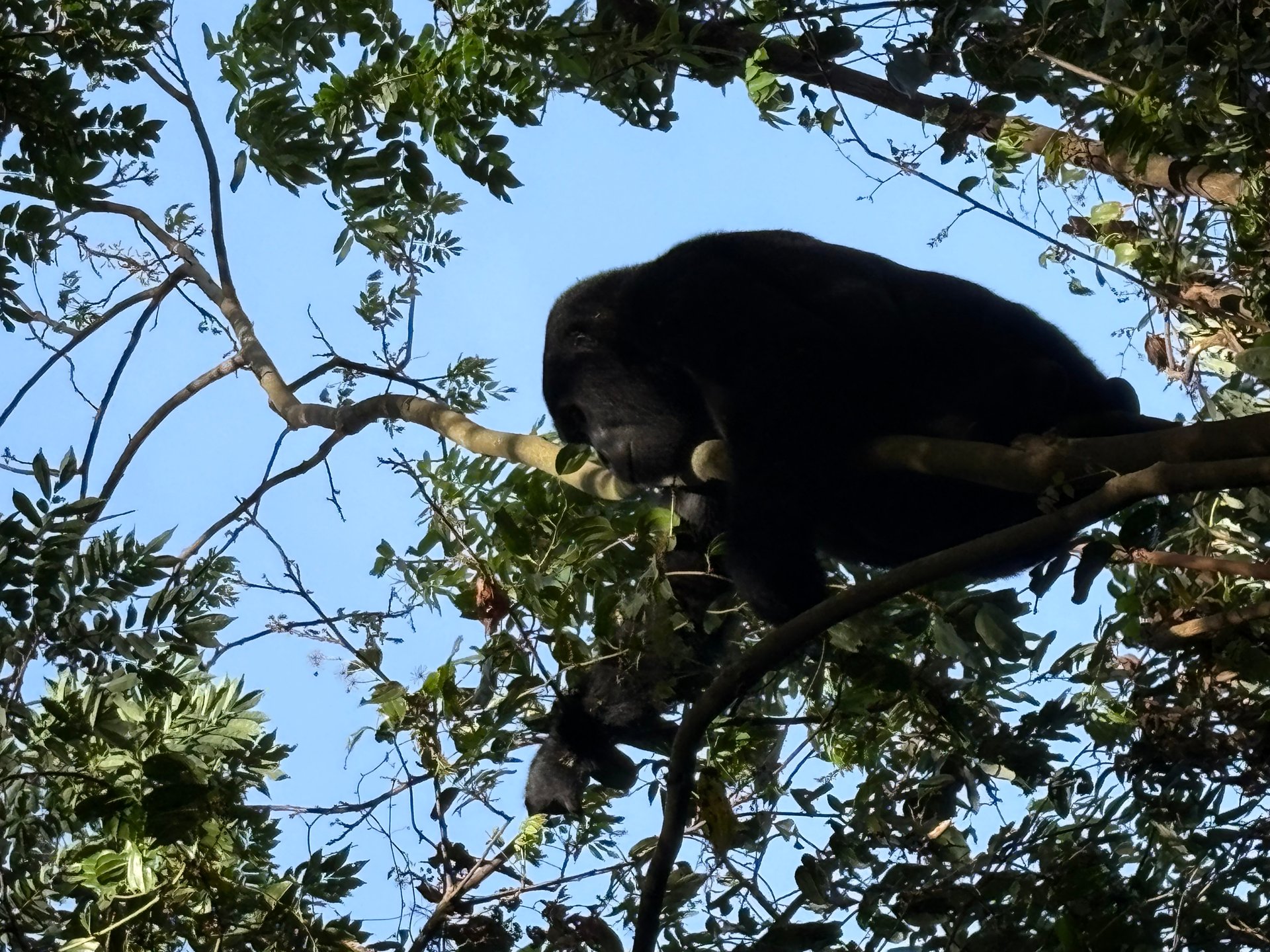
Gorilla Permit Guide
How to book your $800 permit, when to book, and the UWA process explained.
Best Lodges in Buhoma
Where to stay for gorilla trekking — lodges within walking distance of the park gate.