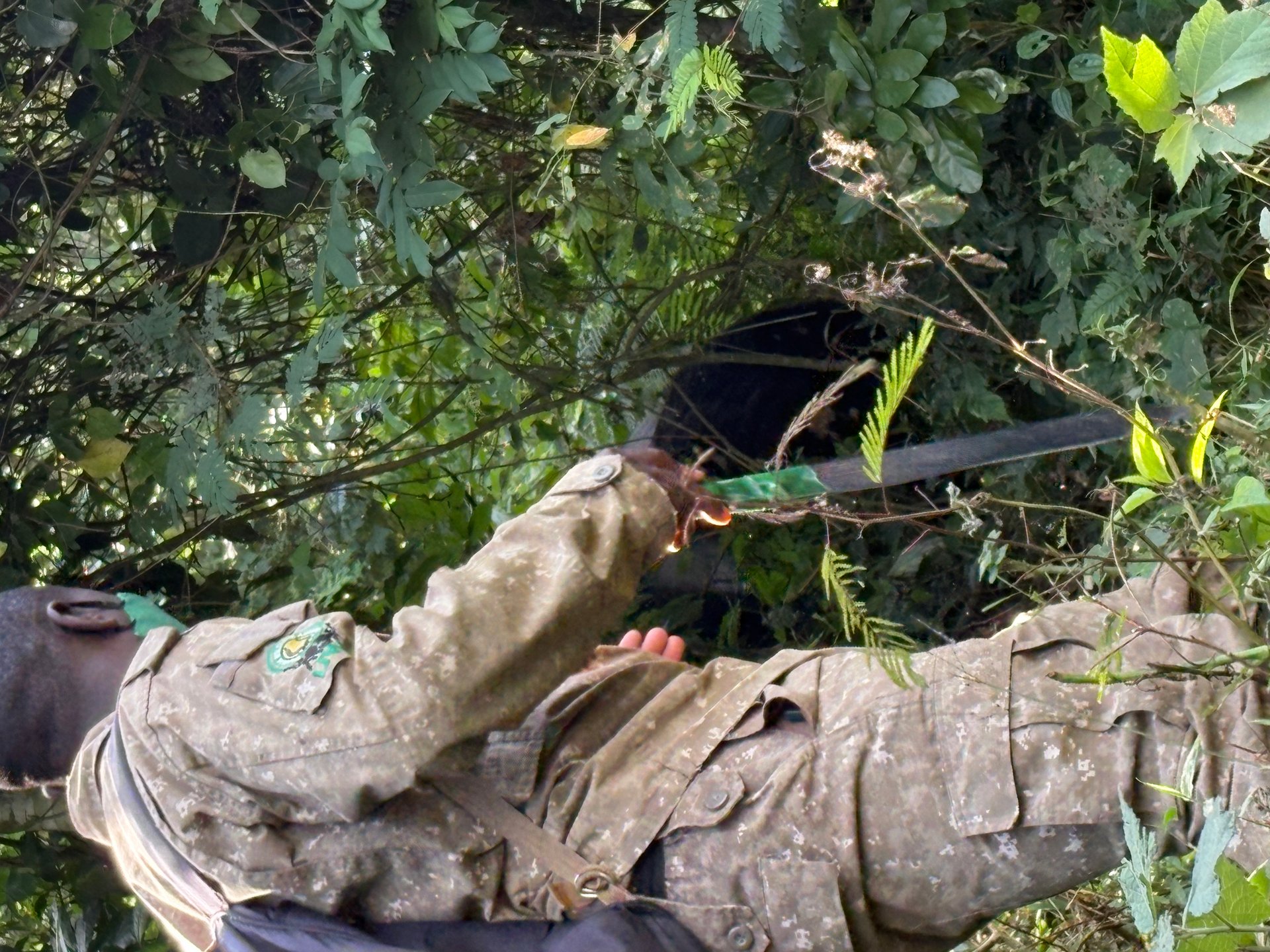
On gorilla trek day, carry a small daypack (20–30 liters) with: waterproof hiking boots already on your feet, rain jacket, 2–3 liters of water, snacks, camera (no flash), spare batteries, gardening gloves, and a light fleece layer. Leave your large luggage at the lodge. A porter carries your pack for $15–$20 — strongly recommended.
This guide covers what goes in your daypack on trek morning. For your full suitcase and trip packing, see the complete Buhoma packing list.
Quick Facts
- Daypack Size:
- 20–30 liters (small, not large)
- Water:
- 2–3 liters minimum
- Trek Duration:
- 2–8 hours (bring enough for a full day)
- Camera Flash:
- Strictly prohibited
- Gardening Gloves:
- Essential for steep terrain
- Porter:
- $15–$20 — highly recommended
- Neutral Colors:
- Khaki, olive, dark green only
- Large bags:
- Leave at lodge
What Goes in Your Daypack
Your daypack on trek day needs to cover a full day in a remote tropical forest — potentially 8 hours of strenuous hiking with no facilities. Pack systematically and keep it light. Everything here has a purpose.
Hydration and Food
- Water (2–3 liters): The single most important item. Trekking in humid forest conditions causes significant fluid loss. A hydration bladder lets you drink without stopping. Bring more than you think you need — porter can carry the extra.
- Snacks and lunch: Energy bars, nuts, dried fruit, a sandwich, or a packed lunch from your lodge. Longer treks can last past midday. Do not eat in view of the gorillas.
- Oral rehydration salts: One or two sachets in case you feel the effects of exertion and heat. Takes minimal space.
Clothing Layers to Pack
- Rain jacket: Pack even on clear mornings. Bwindi weather changes within minutes. A lightweight, waterproof jacket (not just water-resistant) in a neutral color.
- Light fleece or warm layer: Forest temperatures at higher elevation and in shade can drop quickly, especially when you stop moving. A thin fleece or soft shell jacket takes little space.
- Spare dry socks: Socks will get wet. A dry pair for the walk back is a significant comfort upgrade.
Protection and Tools
- Gardening gloves: Critical. You will haul yourself up steep, vegetated slopes by grabbing roots, branches, and vines. Gardening gloves with rubber grip protect your hands from thorns, nettles, and rough bark. Bring two pairs — they get saturated with mud.
- Insect repellent: Apply to exposed skin before entering the forest. Ants, ticks, and biting insects are prevalent in Bwindi.
- Sunscreen (SPF 30+): For exposed skin in clearings and on open paths before you enter forest cover.
- Basic first aid: Plasters, antiseptic wipes, painkillers, antihistamines. Compact and lightweight.
- Hand sanitizer: Before eating and after the trek. Gorillas share diseases with humans — rangers will remind you.
- Tissues or toilet paper: No facilities exist in the forest.
- Headlamp: Not needed for the trek itself, but useful if you start pre-dawn or finish later than expected.
Documents
- Gorilla permit: Bring the printed permit. Do not rely solely on a phone screen — rangers will check it at the briefing.
- Passport or ID: May be requested at the park gate.
- Cash: For tipping your ranger, guide, and porter at the end of the trek. Have small denomination USD or Ugandan shillings ready.
What to Wear on Your Body
The forest is humid, thorny, steep, and unpredictably wet. Your clothing needs to protect you from vegetation and insects while keeping you comfortable during hours of physical exertion. All clothing must be in neutral, earth-toned colors.
The Layering System for Bwindi
- Base layer: A moisture-wicking synthetic or merino wool T-shirt worn against your skin. Manages sweat and dries fast. Avoid cotton — it becomes heavy and cold when wet.
- Mid layer (on body): A lightweight long-sleeved shirt in neutral colors. Protects arms from nettles, thorns, insects, and sun. Quick-dry synthetic fabric is best.
- Outer layer (in pack): Your rain jacket, only worn when needed. Keeping it in your pack until rain arrives helps regulate temperature.
Lower Body
- Long trousers: Sturdy, quick-dry fabric. Tuck the legs into your socks to prevent ants and ticks from climbing your legs. Convertible zip-off trousers are practical.
- Hiking boots: Waterproof, ankle-supporting boots with aggressive lug soles. Already broken in before your trip. Worn on your feet, not packed.
- Thick hiking socks: Wool-blend socks that cover the ankle. Wear a pair already on your feet, with a spare in your pack.
- Gaiters (recommended): Prevent mud and debris from entering your boots and provide extra protection from vegetation around your lower legs.
Head
- Brimmed hat or cap: Protects from rain dripping off leaves and from sun in clearings. Not a bright color.
Camera and Electronics
The inside of Bwindi is a challenging photography environment. The canopy blocks most direct light, creating very low ambient light levels. Rain and humidity are constant risks to equipment. Prepare accordingly.
Camera Body
- DSLR or mirrorless camera: A camera with good high-ISO performance is essential. Target ISO capability of at least 3200 to 6400 with acceptable noise. You will be shooting in near-shade conditions.
- Smartphone: Modern smartphones with computational night mode perform surprisingly well and are far lighter. A practical choice if you do not have a dedicated camera.
Lenses
- 24-70mm or 24-105mm zoom: The best all-round choice. You will be within 7 meters of the gorillas — long telephoto lenses are unnecessary and heavy.
- Fast aperture (f/2.8 or wider): The most important specification. A fast prime lens (35mm f/1.8 or 50mm f/1.8) is an excellent lightweight option.
Accessories
- Spare batteries (minimum 2): Cold temperatures and humidity deplete batteries faster than normal. Start with fully charged batteries and bring at least two spares.
- Extra memory cards: You will shoot several hundred photos in a single hour with the gorillas. Bring more storage than you expect to use.
- Rain cover for camera: A purpose-made rain sleeve, or a large zip-lock bag with a hole cut for the lens hood. Non-negotiable in the rainy season.
- Microfiber cloth: For wiping rain, mist, and condensation off the lens. Keep it in an accessible outer pocket.
- Dry bag or zip-lock: Store the camera inside your pack in a waterproof bag whenever you are not actively shooting.
No flash, ever. Flash photography is strictly prohibited during all gorilla encounters. It startles and stresses the animals. Turn off your camera's automatic flash before entering the forest and verify your settings. Rangers will ask you to stop shooting if flash fires accidentally.
What NOT to Bring
Several items are prohibited or strongly discouraged on gorilla treks — not just for your convenience but to protect gorilla welfare.
- Flash or artificial light on cameras: Prohibited. Startles and distresses the gorillas. Disable on all devices including smartphones before entering the forest.
- Bright-colored clothing: Red, yellow, orange, and white can agitate gorillas. Neutral earth tones only.
- Strong perfume, cologne, or heavily scented products: Gorillas have acute senses of smell. Strong artificial scents can trigger agitation or avoidance. Skip perfume, cologne, and scented sunscreen on trek day.
- Drones: Completely prohibited inside Bwindi. The noise and overhead movement causes significant distress to gorillas and other wildlife. Drones will be confiscated.
- Large suitcases or rolling luggage: Leave at the lodge. Only carry your small daypack. Large bags cannot be managed on forest terrain.
- Food to eat near gorillas: Pack snacks but do not consume them during the hour with the gorilla family. Eat before and after the encounter.
- Camouflage patterns: Camouflage clothing is associated with military personnel in Uganda and may cause confusion. Plain neutral colors are safer.
- Excessive noise: Not an item, but worth stating — keep your voice low and movements deliberate near the gorillas.
Should You Hire a Porter?
Yes. Hiring a porter is one of the best decisions you can make for the gorilla trek — and not just because it is easier.
Porters are local community members employed through a formal UWA program. The fee ($15 to $20, plus tip) provides meaningful income to people living adjacent to the park, which is directly tied to the community support that makes gorilla conservation viable.
Practically, a porter carries your daypack and assists you on the most difficult terrain — offering a hand on steep descents, helping you through thick vegetation, and keeping pace so you can focus on the experience rather than your load. Even fit, experienced hikers find the terrain in Bwindi more demanding than expected. A porter removes a significant physical and mental burden.
You can arrange a porter at the UWA briefing point on the morning of your trek. Bring cash — USD or Ugandan shillings — in small denominations. The standard rate is around $15 for the trek; tip separately ($5 to $10 is appropriate for good service).
Trek Day Checklist
Use this list the night before your trek to ensure nothing is forgotten.
- Daypack (20–30 liters) with rain cover
- Water (2–3 liters in hydration bladder or bottles)
- Snacks and packed lunch
- Gorilla permit (printed copy)
- Passport or ID
- Cash for porter and tips (small denominations)
- Rain jacket (neutral color)
- Light fleece or warm mid-layer
- Gardening gloves (2 pairs)
- Spare dry socks
- Camera with flash disabled
- Spare camera batteries (fully charged)
- Extra memory cards
- Camera rain cover
- Microfiber lens cloth
- Insect repellent (applied before departure)
- Sunscreen (applied before departure)
- Hand sanitizer
- Basic first aid (plasters, painkillers)
- Tissues or toilet paper
- Headlamp (optional)
- Waterproof hiking boots (on feet, already broken in)
- Long trousers tucked into socks (on body)
- Long-sleeved shirt in neutral color (on body)
- Gaiters (on legs)