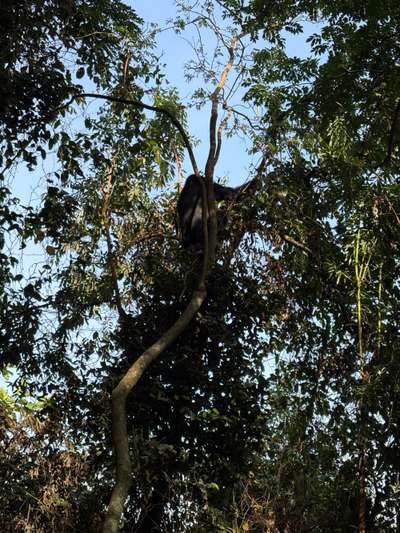
The minimum age for gorilla trekking in Uganda is 15 years. Children must be accompanied by adults and need the same $800 permit. Teenagers who are reasonably fit can absolutely do the trek — it is one of the most profound wildlife experiences possible for young people. Allow extra time and hire a porter for each trekker.
Quick Facts
- Minimum Age:
- 15 years (Uganda Wildlife Authority rule)
- Permit Cost:
- $800 USD per person (same for teens)
- Trek Duration:
- 2–8 hours (unpredictable)
- Fitness Level:
- Moderate to high (steep, muddy, altitude)
- Porter:
- Strongly recommended for all ages
- Recommended Age:
- 16+ for comfortable experience
- Group Size:
- Max 8 trekkers per family
- Starting Time:
- 7:30 AM briefing
Why the Minimum Age Is 15
The Uganda Wildlife Authority enforces a strict minimum age of 15 years for all gorilla trekking permits across Bwindi Impenetrable Forest. This is not an arbitrary bureaucratic rule — it exists for two interconnected reasons: the welfare of the gorillas and the physical demands of the trek itself.
Mountain gorillas share approximately 98% of their DNA with humans. This biological closeness means they are highly susceptible to human diseases, including common childhood illnesses such as respiratory infections, chicken pox, and measles. Young children are more likely to be carriers of pathogens and have less predictable behaviour around wildlife — they may sneeze, cry, or move suddenly in ways that could disturb a gorilla family. The one-hour viewing session takes place within seven metres of wild gorillas, which makes disease transmission a genuine concern.
The physical demands are equally significant. Trekking through Bwindi requires sustained effort on steep gradients, across muddy slopes, through dense vegetation, and at altitudes that reduce oxygen availability. A child who tires or becomes distressed mid-trek creates a difficult situation for rangers, the group, and the gorilla encounter. The 15-year minimum reflects an age at which most young people can be reasonably expected to manage these conditions.
Fitness and Preparation for Young Trekkers
Meeting the minimum age requirement is just the starting point. A 15 or 16-year-old who is physically active will handle the trek far better than an unfit adult — but no teenager should arrive in Buhoma without prior preparation.
Building Fitness Before the Trek
Begin a walking programme at least 4 to 6 weeks before departure. The focus should be on uphill terrain — staircase walking, hill climbs, and uneven surfaces are all more relevant than flat-road running. If you live near hills or a forest park, incorporate regular hikes of at least 2 to 3 hours. The goal is not speed but sustained effort over time.
In the final week before the trek, prioritise rest and hydration. Teenagers often arrive in Buhoma after long travel days from Kampala. Build in at least one full rest day before the trekking morning. On the day itself, eat a substantial breakfast before the 7:30 AM briefing — there may be no opportunity to eat again until mid-afternoon.
The Porter: Not Optional for Young Trekkers
Hiring a porter should be treated as mandatory for teenagers, not as an optional luxury. Porters carry your daypack, offer a steadying hand on steep descents, and provide moral support when the trail seems endless. They are local community members, and the tip you pay them at the end of the trek provides meaningful income. Budget $10–$20 USD per person as a standard tip. Every trekker in a family group should have their own porter.
What Teenagers Actually Experience
Parents often wonder whether a teenager will appreciate gorilla trekking or find it too arduous to enjoy. The answer, consistently, is that the moment of finding the gorillas transforms the entire experience. The physical discomfort of the hike evaporates when a silverback emerges from the undergrowth ten feet away.
Young people tend to respond with visceral, unfiltered awe. Gorillas are enormous, startlingly human in their expressions and mannerisms, and entirely indifferent to the presence of trekkers. Watching a silverback yawn, a mother groom her infant, or a juvenile tumble through the undergrowth produces the kind of wonder that is increasingly rare in a screen-saturated world.
The one-hour time limit with the gorillas creates a quality of presence that teenagers often describe as the most concentrated and memorable hour of their lives. There is no phone signal in the forest, no distraction, no notifications — only the gorillas, the dense green canopy, and the sound of the jungle.
For many young people, this experience plants the seeds of a lasting interest in conservation, wildlife biology, and environmental stewardship. The fact that the mountain gorilla population has recovered from near-extinction within their lifetime — and that their permit fee contributes directly to that recovery — gives the experience genuine ethical weight that teenagers are old enough to understand and feel.
Practical Tips for Families
Travelling with teenagers adds a layer of planning that solo or adult-only groups do not need to consider. The following tips come from families who have trekked in Buhoma and reflect the realities of the experience.
Managing Expectations Before the Trek
Be honest with your teenager about how demanding the trek can be. A 2-hour trek is possible, but so is an 8-hour trek, and there is no way to know in advance. The gorillas move. Some days they are close to the starting point; other days they have moved deep into the forest overnight. Frame the hike itself as part of the adventure, not just the means to an end. Teenagers who understand this arrive with the right mindset and are far less likely to become frustrated or disheartened if the trek extends beyond two hours.
What to Do If a Trekker Cannot Continue
If your teenager reaches a point where they genuinely cannot continue, communicate this to the ranger guide immediately. Rangers are experienced at managing trekkers in difficulty. A trekker who cannot continue will typically wait at a safe, shaded point on the trail with a ranger while the rest of the group proceeds. The wait can be several hours. Carry enough water and snacks to make a long wait comfortable, and brief your teenager in advance so they know this is an acceptable outcome and not a failure.
Timing and Logistics
Arrive in Buhoma the afternoon before your trek. A morning arrival on trek day is stressful and leaves no buffer for transport delays. The briefing at the park gate begins at 7:30 AM — late arrivals miss it and lose their permit slot. Plan to be at the gate 10 minutes early.
Book accommodation within walking distance of the park gate. Several lodges in Buhoma are less than 10 minutes from the briefing point, which eliminates the need for an early-morning vehicle transfer on trek day.
Why Buhoma Is the Best Sector for Families
Bwindi Impenetrable Forest has four trekking sectors: Buhoma, Rushaga, Nkuringo, and Ruhija. For families with teenagers, Buhoma offers several distinct advantages over the other sectors.
The terrain around Buhoma is challenging but comparatively manageable. While no gorilla trek is a flat walk, the gorilla families habituated in the Buhoma area tend to range across terrain with less extreme vertical gain than the Nkuringo sector, which descends sharply into the Nteko Valley, or Ruhija, which sits at higher elevation with more demanding ridgeline routes. For a teenager completing their first serious hike, this distinction is meaningful.
The trails in Buhoma are better established and more frequently walked, which means they are better maintained. Fallen logs have been cleared, steep sections have rudimentary steps, and the paths are easier to follow. Your porter will also be more experienced on familiar terrain.
From a logistics perspective, Buhoma has the widest range of accommodation at the park gate, including budget guesthouses, mid-range cottages, and luxury lodges — all within a small radius. This makes it easy for families to choose accommodation that fits their budget without a long drive to the briefing point each morning. The community around Buhoma is also well set up to welcome families, with cultural activities and guided nature walks that provide engaging options for a rest day before or after the trek.
Related Guides
Permit Guide
How to book your permits — step by step
What to Expect
The full gorilla trekking experience explained
Packing List
What to wear and bring for the trek