Quick Facts
- Age:
- Mid-thirties
- Role:
- General store owner
- Location:
- Main road, Buhoma village
- Family:
- Married (husband in Kampala), cares for a young girl
- Shop open:
- 7:00 AM to 7:00 PM daily
- Sells:
- Soap, sugar, phone credit, exercise books, fresh produce
“Not every week is the same. Sometimes I have good sales. Other times I watch my vegetables rot and count the loss.”
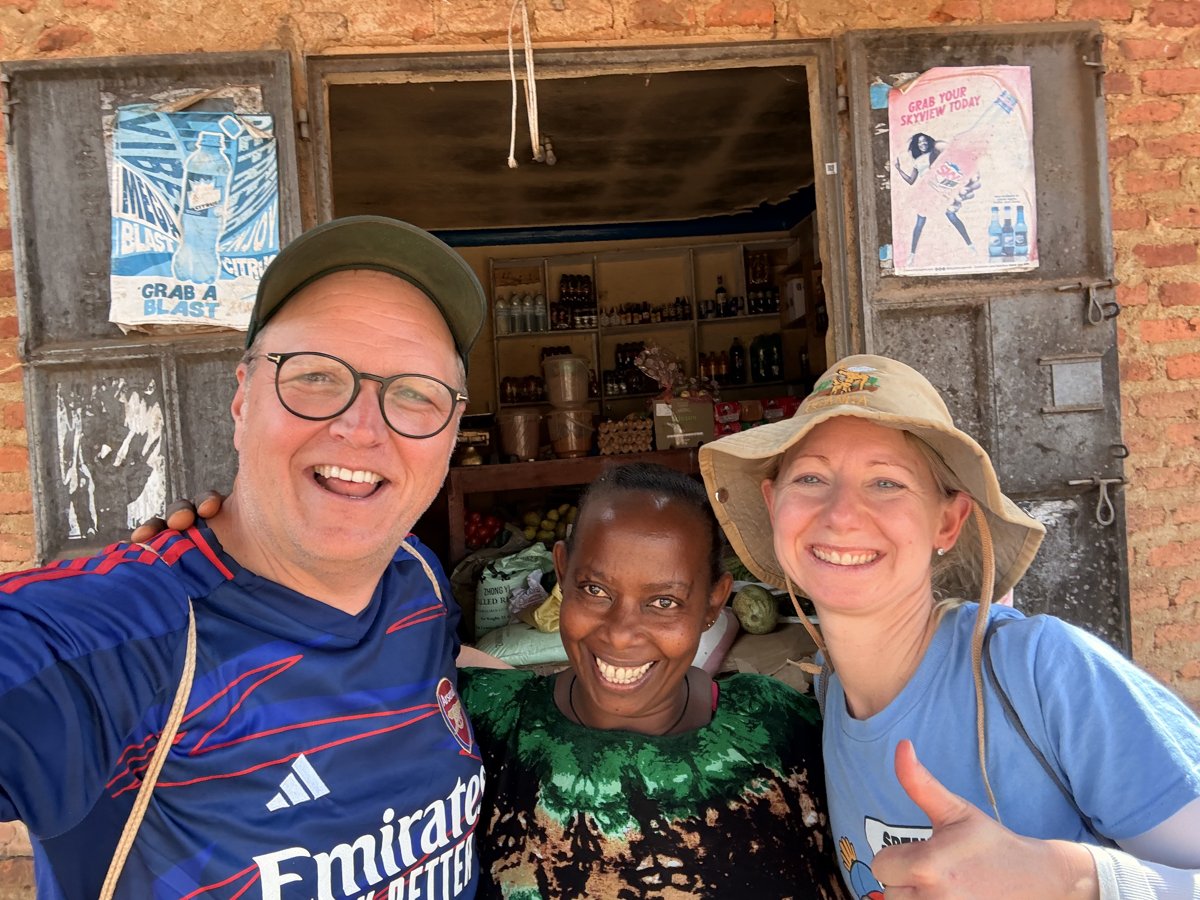
The Story of Emily
Emily has lived in Buhoma for over twenty years. She came as a young woman, married, and built a life in a village where opportunities for women are scarce and hard-won. When her husband took work in Kampala — a common story in rural Uganda, where men leave for the city and send money home — Emily was left to run the household alone.
Five years ago, she took her savings from selling crops and opened a small general store near the main road. It started with a few shelves of soap, sugar, and matches. Today the shop is one of the few places in Buhoma where you can buy basic supplies without making the long trip to Butogota. She sells phone credit, exercise books for schoolchildren, cooking oil, salt, and whatever fresh produce she can source.
Emily also cares for a young girl whom she looks after like her own daughter. The girl helps in the shop after school, and Emily makes sure she has books, a uniform, and enough food. In Buhoma, family is not always defined by blood — it is defined by who shows up.
Running a shop in Buhoma is not like running a shop in Kampala. There are no suppliers who deliver on schedule. Electricity is unreliable. Fresh vegetables rot if they do not sell quickly. And customers often buy on credit, promising to pay when the next harvest comes in. Emily manages all of this with a quiet competence that the village depends on.
A Day in the Life of Emily
Emily opens the shop at 7:00 AM, pulling back the heavy wooden shutters and arranging the goods on the shelves. The first customers are usually mothers buying sugar or salt for the morning meal, and schoolchildren picking up exercise books on their way to class.
By mid-morning the shop settles into a rhythm. Emily sits behind the counter, greeting people who pass by, selling phone credit in small denominations, and keeping track of what needs restocking. She writes everything in a notebook — who bought what, who owes her, what she needs to order from Butogota.
The fresh produce is the hardest part of the business. Tomatoes, onions, and leafy greens arrive from local farmers, but they have to sell within a day or two. If a slow week comes — and in Buhoma, slow weeks are common — Emily watches her stock wilt and calculates the loss. She has learned to buy small quantities and accept that some waste is unavoidable.
In the afternoon, she sometimes closes the shop briefly to check on the girl, prepare food, or walk to a neighbor who needs something. The village is small enough that the shop is also a meeting point — people come to talk, to hear the latest news, to charge their phones if the power is on.
At 7:00 PM Emily closes the shutters, counts the day's earnings, and walks home. Some days are good — she sells through her stock and has cash to reorder. Other days are thin, and she eats rice and beans knowing that tomorrow might be better. Her husband calls from Kampala when the network allows it.
Dreams and Future
Emily wants to expand her shop. She dreams of adding a second room where she can stock more goods — maybe even cold drinks if she can find a reliable solar-powered fridge. She has seen what the lodges charge tourists for a Coca-Cola and knows there is money in it, but the investment is beyond her current reach.
More than the shop, Emily dreams of stability for the girl she cares for. She wants her to finish school, to have options that Emily herself never had. In Buhoma, education is the one reliable path out of subsistence — and Emily guards it fiercely.
She also dreams of her husband coming home. Not just for visits, but permanently. She does not talk about it often, but the loneliness of running everything alone — the shop, the household, the parenting — wears on her. When she talks about the future, it always includes a version of life where the family is together again.
Listen to Emily's Voice Notes
Emily also shares regular WhatsApp voice notes about daily life in Buhoma — unscripted, unedited, in their own words. Hear what is really happening in the village this week.
Emily's Voice NotesFrequently Asked Questions
More People of Buhoma

Norman
BodaBoda Driver
The man who knows every road in Buhoma
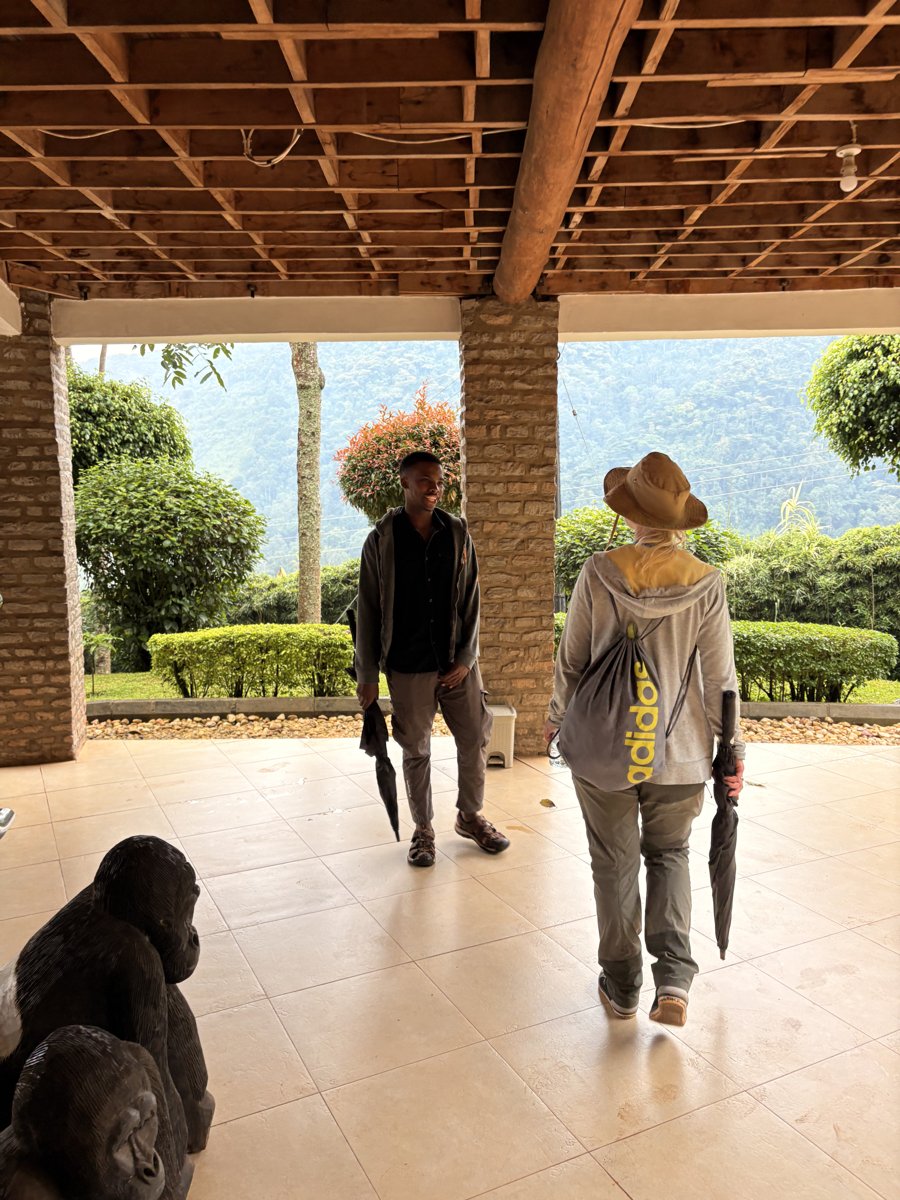
Prosper
Trainee Tour Guide
The young man building a future in tourism
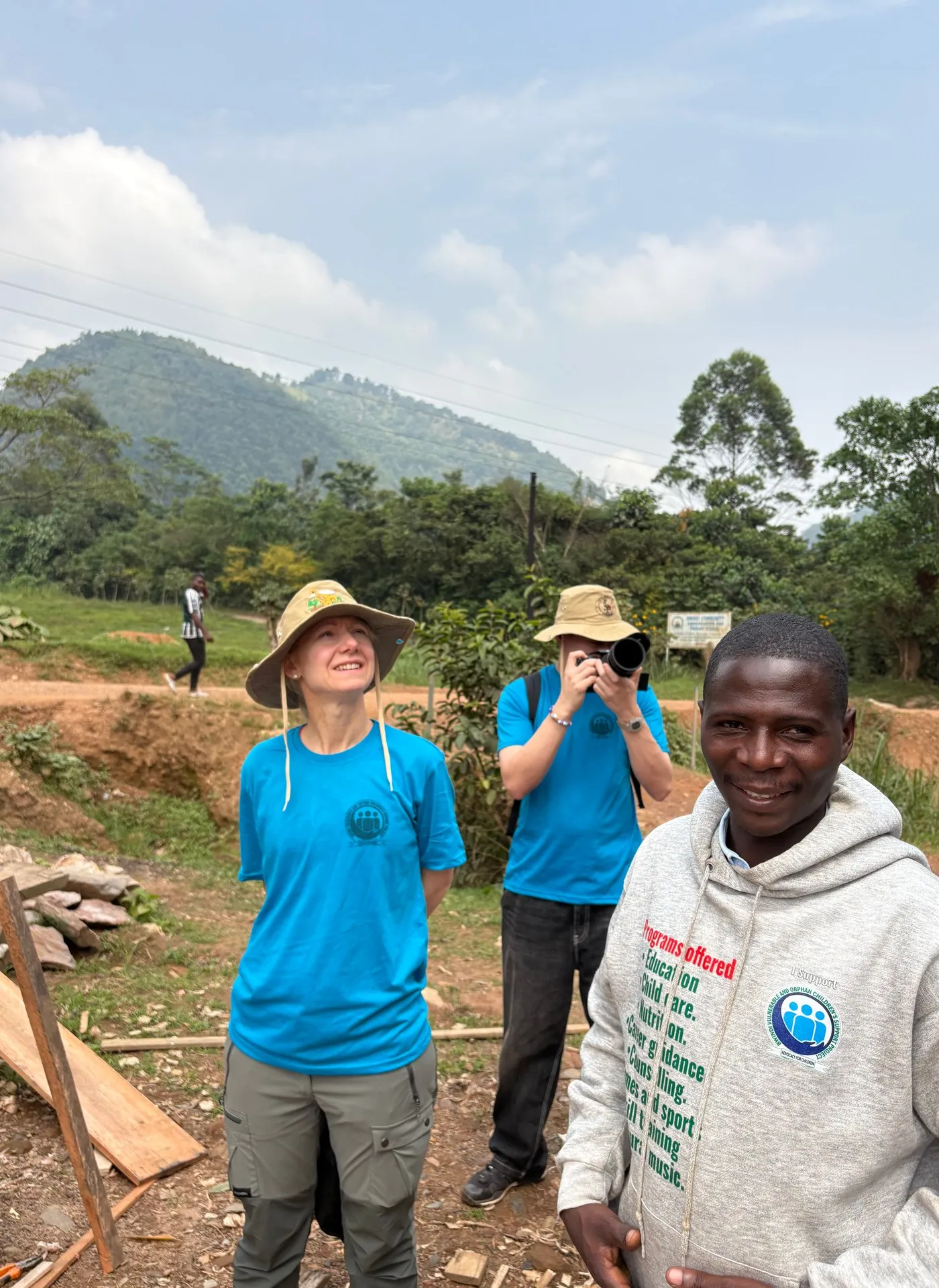
Nicolus
HopeKitchen and Orphanage Manager
The man who feeds the children of Buhoma
Duncan
Safari Company Founder
From porter to founder — building safaris from Buhoma
Last updated: September 2026