Quick Facts
- Age:
- Late twenties
- Role:
- Manager of HopeKitchen and local orphanage
- Location:
- Buhoma village
- Children in care:
- Approximately 15 to 20
- Project:
- HopeKitchen community kitchen (under construction)
- Daily meals:
- Breakfast and dinner for all children
“Someone has to be here every morning. The children do not wait for funding proposals. They wait for breakfast.”
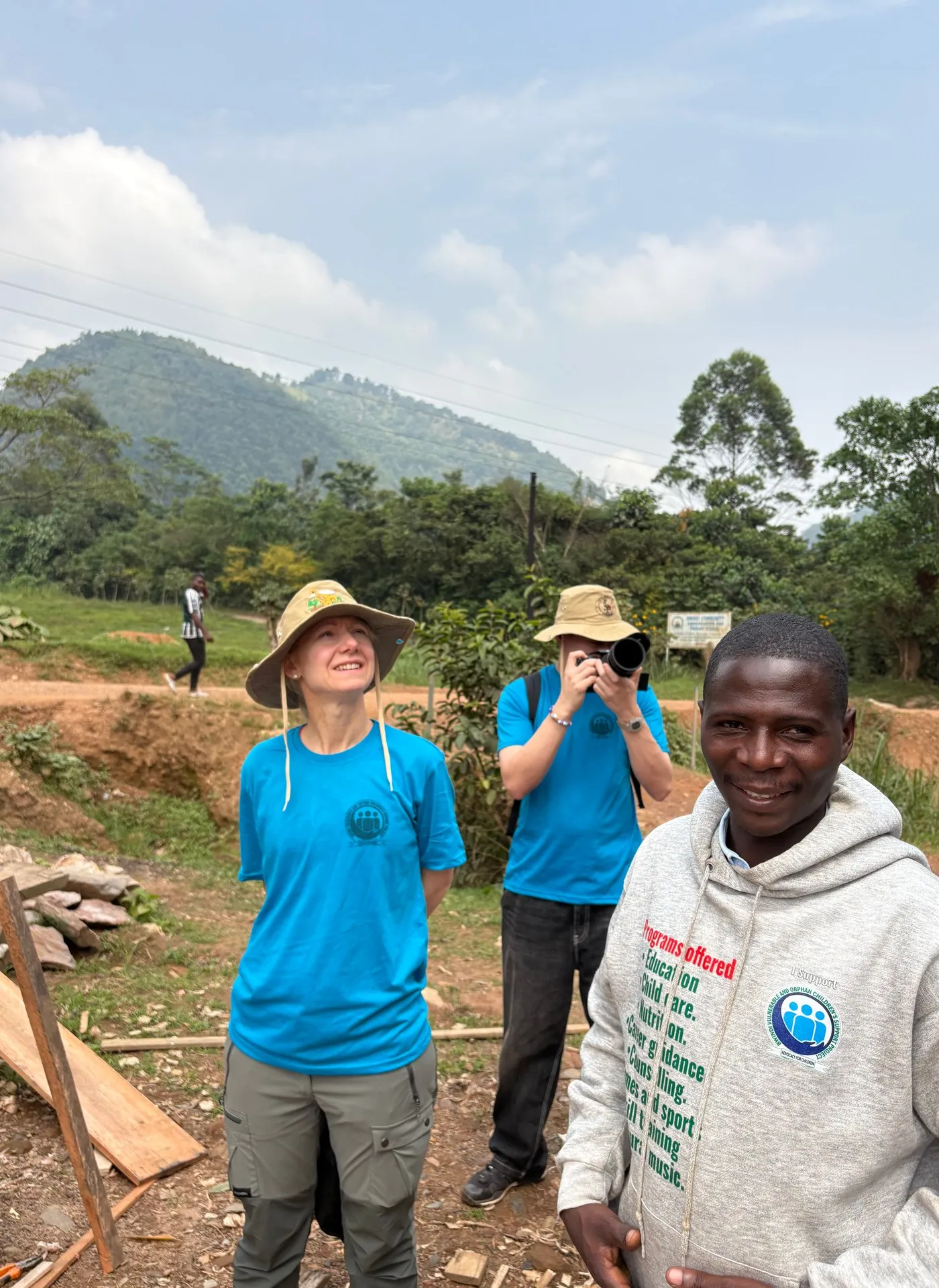
The Story of Nicolus
Nicolus did not choose this work — it chose him. Growing up near Buhoma, he saw what happens to children when parents die from disease, are killed in accidents on the Butogota road, or simply disappear into the city and never return. Orphaned children in rural Uganda do not end up in government institutions. They end up with relatives who cannot afford another mouth, or they end up alone.
When the opportunity came to manage the local orphanage and help build the HopeKitchen — a community kitchen that would serve meals to the most vulnerable children in the area — Nicolus stepped forward. He had no formal training in social work or management, but he had something more valuable: he knew every family in the village, he understood the culture, and he was trusted.
The HopeKitchen is still being built. The walls are up, the roof structure is taking shape, but there is always more work to do and never enough money to do it. Nicolus coordinates volunteers, manages donations, and keeps construction moving forward one brick at a time. In the meantime, he makes sure the children eat.
What makes Nicolus unusual is his steadiness. In a place where projects come and go — where NGOs arrive with grand plans and leave six months later — Nicolus stays. He is there every morning, cooking porridge for children who have no one else. He does not do it for recognition. He does it because someone has to.
A Day in the Life of Nicolus
Nicolus is up before dawn, around 5:00 AM. He walks to the orphanage kitchen — a simple structure with a wood-burning stove and a few large pots — and starts preparing breakfast. Porridge made from maize flour is the staple, sometimes with a bit of sugar or milk when supplies allow. The children begin arriving by 6:30, some walking from nearby homes, others from the dormitory.
After breakfast, Nicolus coordinates with the two women who help him care for the younger children. He checks who is sick, who needs new clothes, who has school fees due. Every child has a story, and Nicolus knows them all — which ones lost both parents, which ones have a grandmother somewhere who sends a little money, which ones have nobody at all.
By mid-morning, Nicolus shifts to the HopeKitchen construction site. He meets with whatever volunteers are available that day — sometimes local men from the village, sometimes international visitors who have come to help — and oversees the brickwork, the plastering, the roofing. He is not a builder by trade, but he has learned by doing.
In the early afternoon, he visits families in the surrounding area. Some of these are families on the edge — a widow with five children, an elderly couple raising grandchildren, a household where the harvest failed. Nicolus checks in, assesses what is needed, and tries to connect people with whatever resources are available.
The evening meal is the most important moment of the day. Nicolus prepares beans, posho, and whatever vegetables are available. The children gather, they eat together, and for a brief hour the orphanage feels like a family. Nicolus eats last, cleans up, and walks home in the dark.
He rarely talks about how tired he is. But anyone who watches him move through a full day — cooking, building, counseling, carrying — can see it in his shoulders by nightfall.
Dreams and Future
Nicolus dreams of finishing the HopeKitchen. When it is complete, it will serve not just the orphanage children but any family in the area that needs a meal. He envisions a proper kitchen with gas stoves, a storage room for dry goods, and enough space to cook for fifty people at a time. It is not a fantasy — the building is half-built and the plans are drawn. What is missing is money.
He also dreams of sending every child in his care through secondary school. In Uganda, primary education is nominally free, but secondary school costs money — fees, uniforms, books, transport. For an orphan with no family support, the transition from primary to secondary is where dreams die. Nicolus wants to change that equation, at least for the children he can reach.
His quietest dream is personal. He wants to build a proper house for himself. He has lived in rented rooms and temporary structures for years, pouring everything into the children and the kitchen. Somewhere in the back of his mind is the image of a solid house with a metal roof, where he could sit on the veranda in the evening and feel that something in his own life is settled.
Frequently Asked Questions
More People of Buhoma
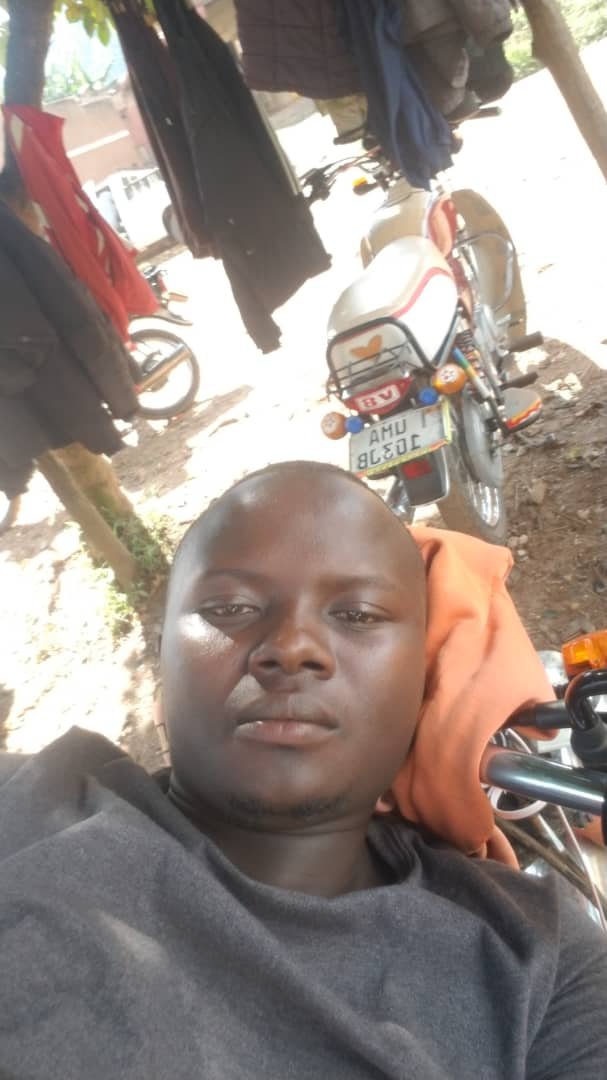
Norman
BodaBoda Driver
The man who knows every road in Buhoma
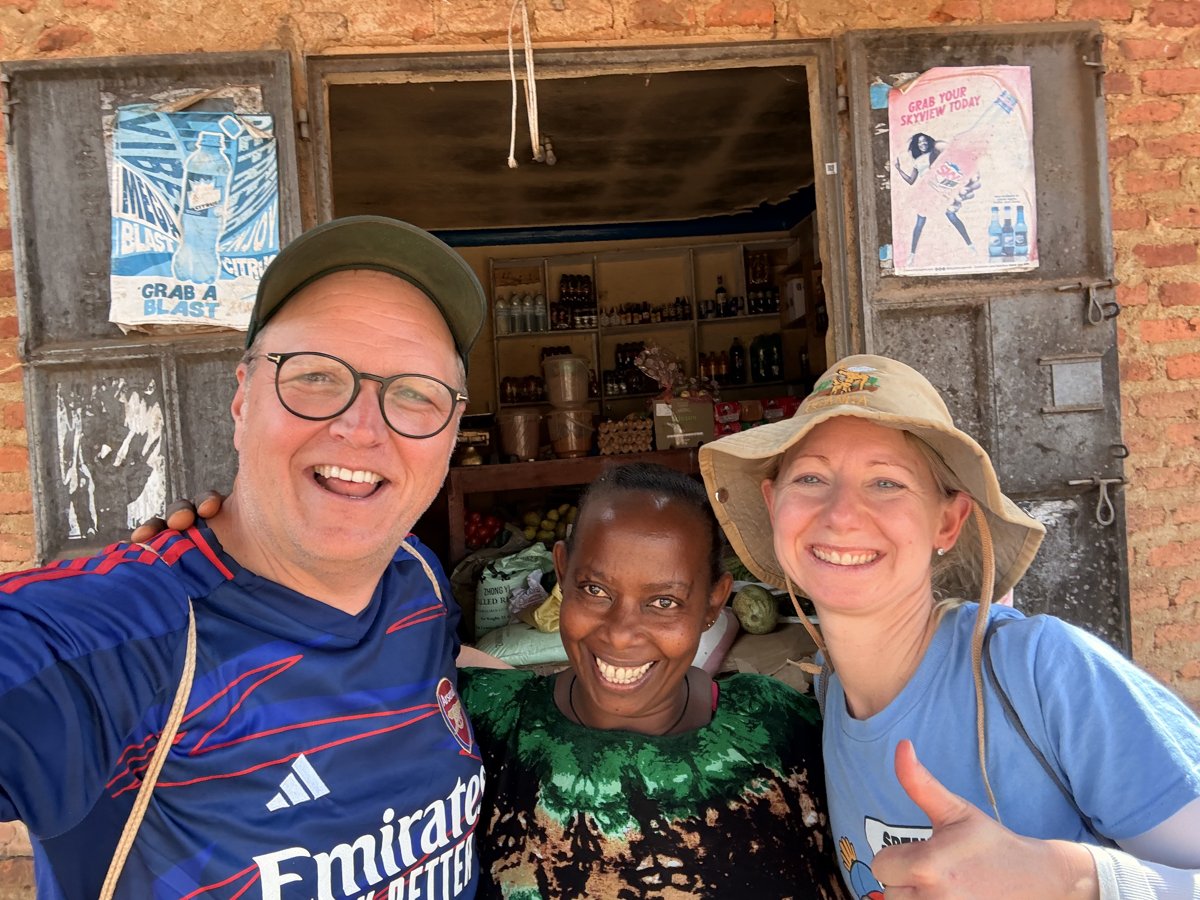
Emily
Shop Owner
The woman who keeps Buhoma supplied
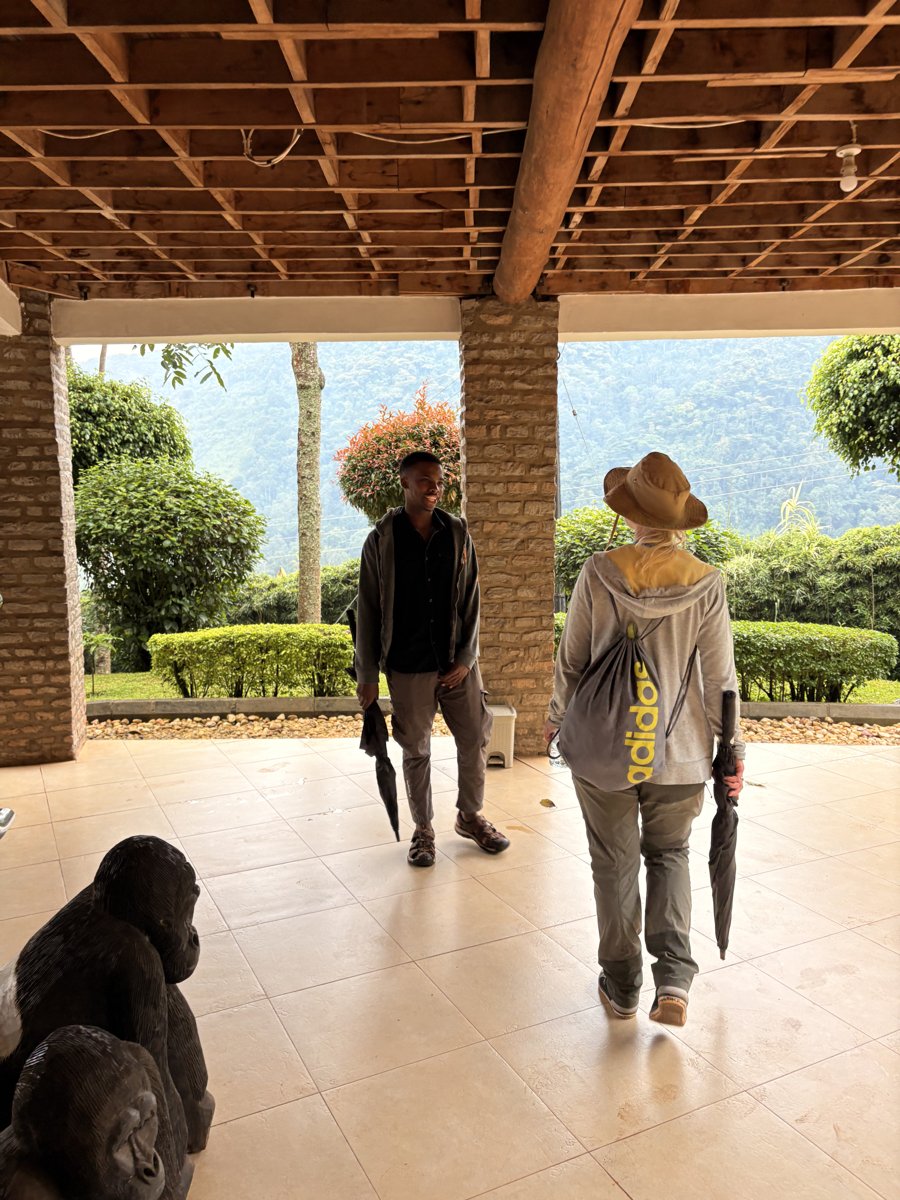
Prosper
Trainee Tour Guide
The young man building a future in tourism
Duncan
Safari Company Founder
From porter to founder — building safaris from Buhoma
Last updated: September 2026