Tourism is Buhoma's primary economic engine. The revenue generated by gorilla trekking permits flows — unevenly but tangibly — through the local economy, creating a web of small enterprises, lodge jobs, craft markets, and community projects. For many families in this remote corner of southwestern Uganda, a single visitor's decision to come here has cascading effects that reach far beyond the forest edge.
Quick Facts
- Gorilla permit:
- USD 800 per person
- GHE permit:
- USD 1,500 per person
- Community levy:
- Part of permit fees via UWA
- Author visits:
- 14 documented (Oct 2024 – Jun 2026)
- Location verified:
- GPS -0.9617, 29.6109
- Photos taken:
- 21 June 2026, on-site
A Morning in Buhoma — the Economy Behind the Forest
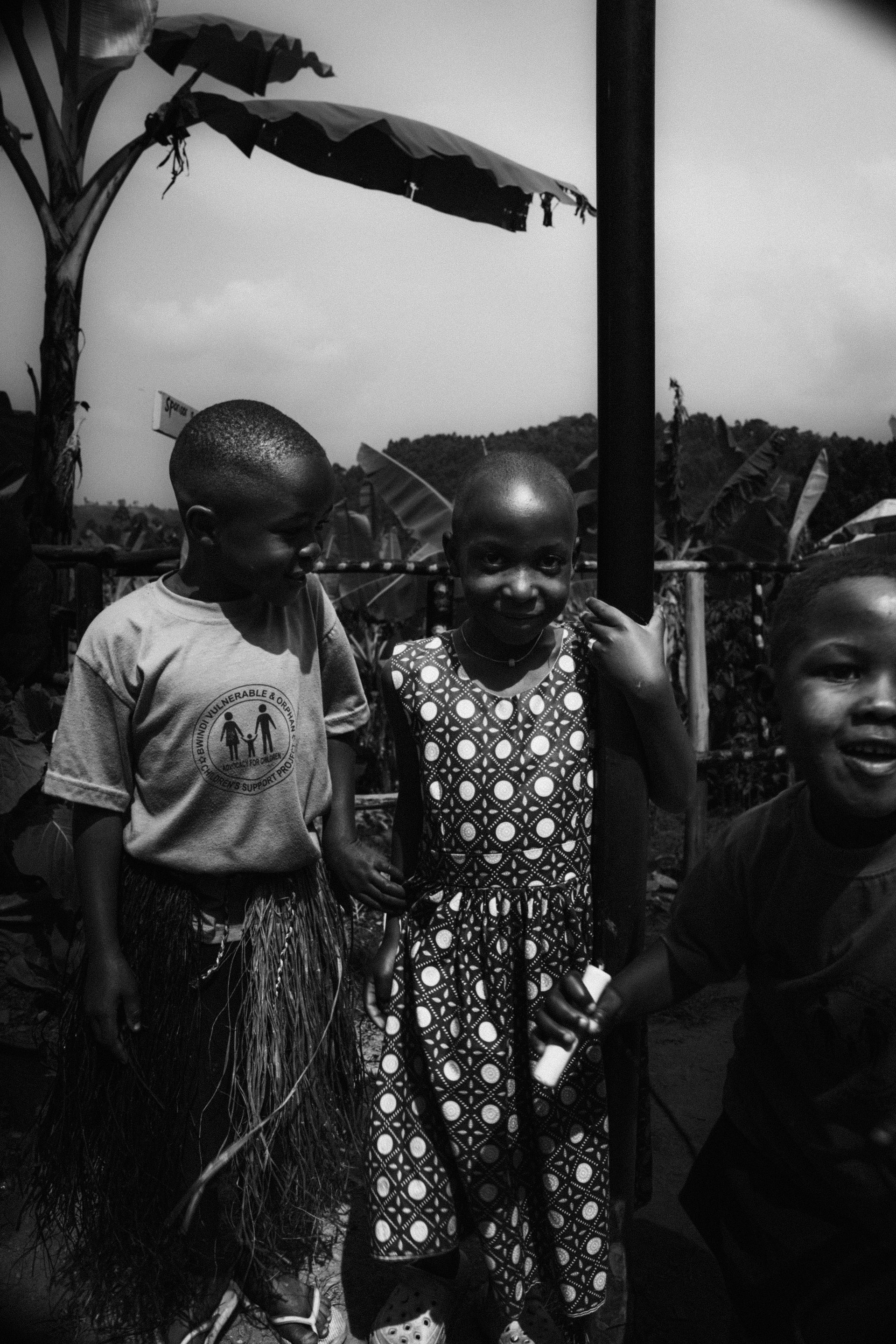
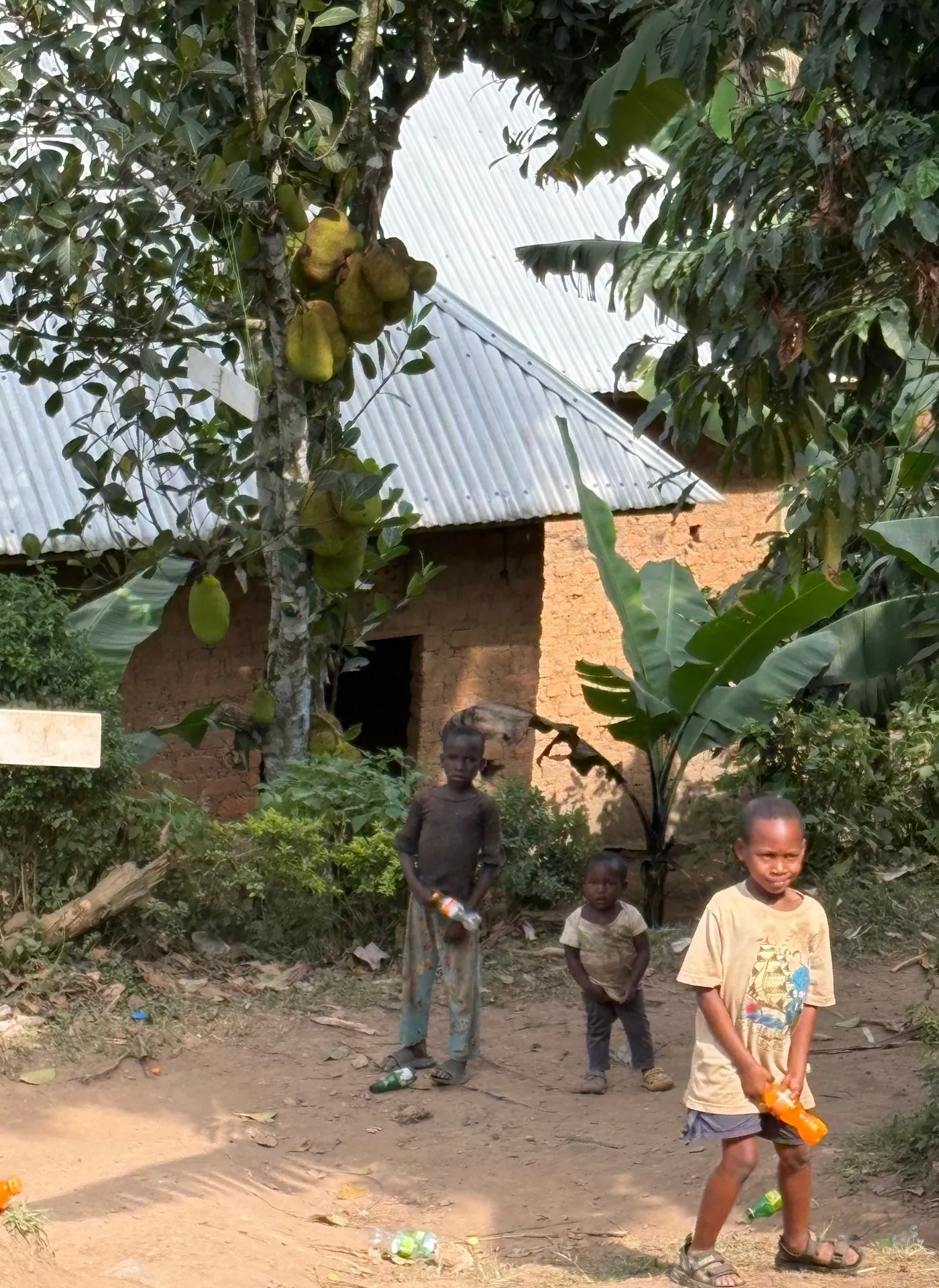
On the morning of 21 June 2026, just after sunrise, I was standing at GPS coordinates -0.9617, 29.6109 — a few minutes' walk from the Bwindi Impenetrable Forest boundary in Buhoma village. Three children from the neighbourhood near the local orphanage approached quietly, a little uncertain, visibly hesitant. Their clothes were worn and their body language told a story before any words were exchanged. We invited them to sit with us and share a meal. That small, unremarkable moment — a shared plate, a brief break from the weight of their day — crystallised something I had been trying to articulate across fourteen visits spanning October 2024 through June 2026: tourism changes this place, but the change does not reach everyone equally or automatically.
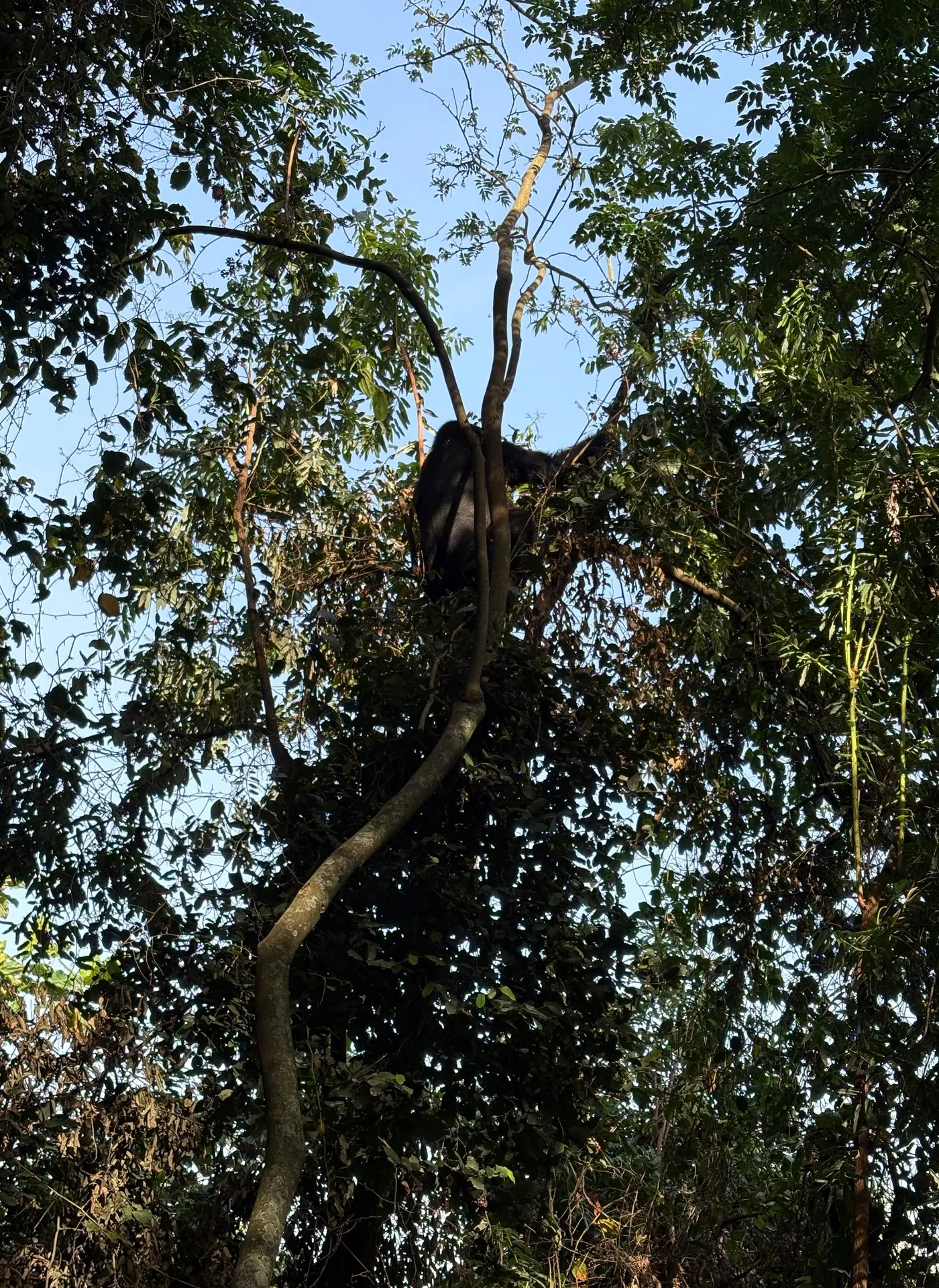
Buhoma sits at the northern entry gate of Bwindi Impenetrable National Park, one of Africa's most biologically significant protected areas and the habitat of roughly half the world's remaining mountain gorillas. Every year, several thousand travellers pay USD 800 per permit to spend one regulated hour with a gorilla family in the forest. The revenue is substantial by any regional standard. What happens to it — how much filters into the lives of local families, into microenterprises run by village women, into the wages of guides, porters, artisans, and guesthouse owners — is the central question of rural tourism entrepreneurship in Buhoma.
During twelve days in October 2024 and eleven days in January 2026, I had time to look beyond the trekking trails and observe how the local economy actually functions. The picture is more complex, more resilient, and also more precarious than the headline tourism figures suggest.
Tourism as an Economic Sector: Jobs, Revenue, and Investment Chains
Tourism, when it functions well in a remote rural setting, is unusual among economic sectors in that it forces money to travel to the customer rather than the other way around. A traveller coming to Buhoma carries foreign currency — euros, dollars, pounds — into a district where most transactions are conducted in Ugandan shillings and where formal bank branches are hours away by road. That currency then works its way through a layered economy: park fees paid to Uganda Wildlife Authority, accommodation costs split between lodge owners and their staff, guide fees, porter fees, craft purchases, meals, and tips.
The formal lodge sector is the most visible beneficiary and also the largest employer in the immediate village area. A mid-range lodge with twenty beds can employ ten to twenty permanent staff: cooks, housekeepers, guides, porters, maintenance workers, and administrative staff. In a district where formal employment of any kind is scarce, these positions are economically significant. Wages flow outward into extended family networks, supporting not just the direct employee but often five to ten dependants.
Below the lodge sector is a second, less visible layer of enterprise: the informal economy of food supply, laundry, small-scale construction, and transport that exists because tourists and lodge staff need goods and services. Farmers sell vegetables and fruit to lodge kitchens. Women's groups supply crafts to the curio markets near the park gate. Bodaboda (motorcycle taxi) operators carry guests and supplies on the steep red-earth tracks. This informal layer is where entrepreneurship most naturally emerges — and where access to capital becomes the binding constraint.
Microfinance, Graduation Programmes, and the Capital Gap
For a farmer in Buhoma who wants to build a guesthouse room, buy a grinding machine to serve the lodge supply chain, or finance a small craft workshop, the fundamental obstacle is capital. Ugandan commercial banks do not typically lend to rural businesses without collateral — land titles, which most village residents do not hold formally — and interest rates on informal loans from savings groups can be high enough to make borrowing for investment extremely risky.
This is the gap that development programmes have attempted to fill, with varying degrees of success. The Graduation Programme model, piloted in Uganda through several NGO and government initiatives, takes a structured four-component approach: social protection to stabilise the household, economic strengthening through asset transfers and business skills training, financial inclusion through savings group formation and linkage to formal finance, and social empowerment through coaching and community networks. The goal is not charity but a structured transition from extreme poverty to a threshold where self-sustaining economic activity becomes possible.
Stichting SYPO, a Dutch NGO operating in Uganda through its social enterprise arm SYPO Uganda Ltd., represents one approach to microfinance in remote and underserved areas. Organisations of this kind position themselves in the gap between informal savings groups and formal banking, offering credit products sized and structured for small rural enterprises. In a tourism region like Buhoma, the clientele might include a woman who wants to open a guesthouse room, a man who wants to buy a second-hand motorcycle to operate as a porter vehicle, or a cooperative that wants to invest in communal craft production equipment.
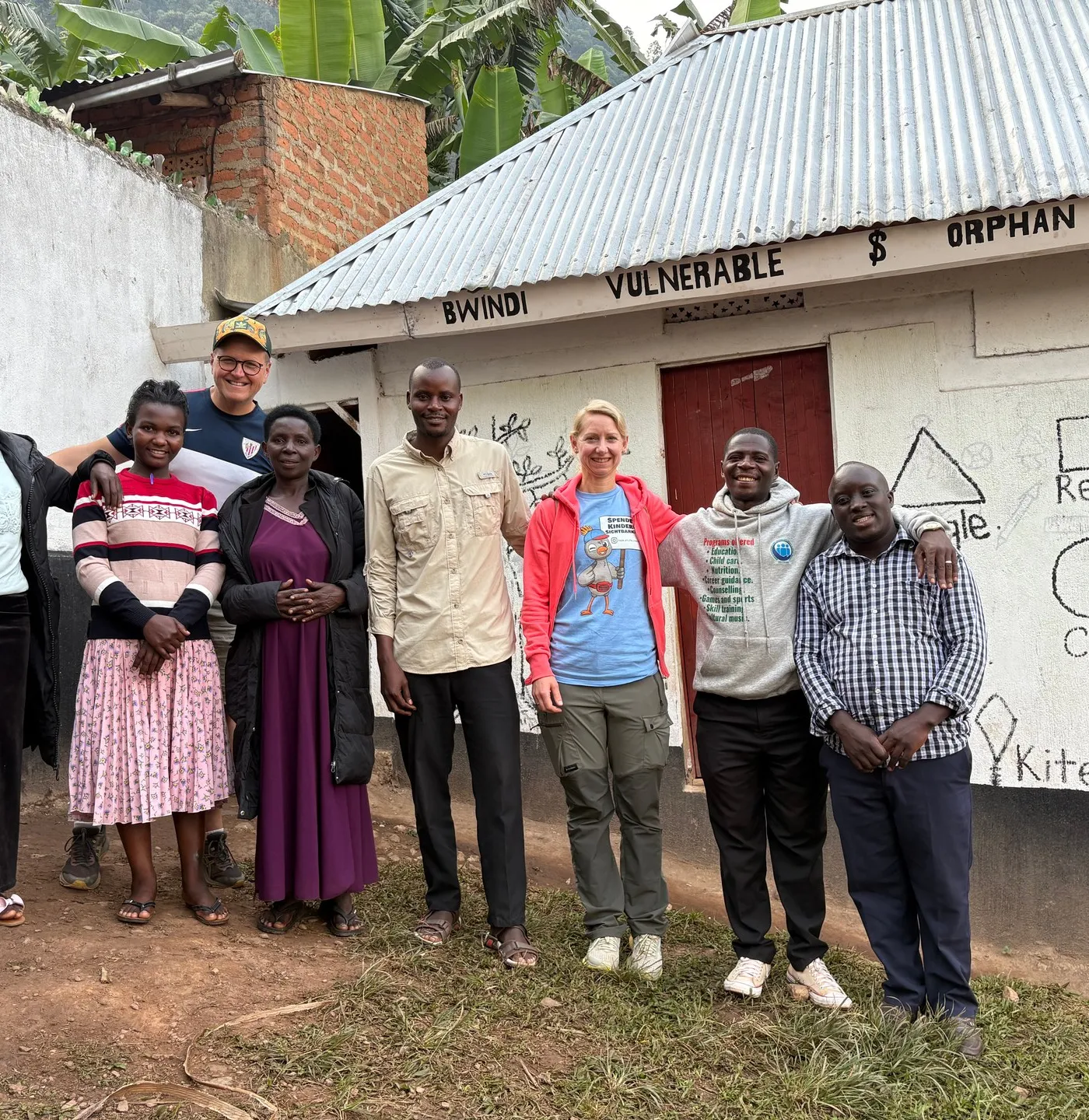
The SUPREME project — a youth empowerment initiative combining skills development, entrepreneurship training, and access to finance — addresses a specific demographic that is both the most economically vulnerable and the most economically promising in Buhoma: young people between approximately eighteen and thirty-five who have grown up watching the tourism economy but have not yet found a stable place within it. For many of these young people, the question is not whether they want to be entrepreneurs but whether the system will give them a viable entry point.
A Buhoma resident whose observations I recorded in an audio conversation in June 2026 spoke directly to this tension. His account touched on the difficulty of saving enough capital to start even a modest enterprise when household expenses consume nearly all income, and on the difference it makes when a training programme provides not just knowledge but an actual cash or asset transfer. His perspective — grounded in lived experience in this specific village — reflects a pattern documented across rural tourism corridors in East Africa: information and skills training alone are insufficient without the initial capital injection that allows those skills to be applied productively.
The Rural Finance Initiative and Cross-Border Dimensions
Buhoma's position in southwestern Uganda gives it a particular economic character. It sits near the borders with the Democratic Republic of Congo and Rwanda, in a region that has historically seen significant cross-border movement of people and goods. The Rural Finance Initiative — a cross-border microfinance institution serving both refugees and local communities in Uganda and South Sudan — represents an attempt to extend financial services into precisely this kind of complex, multi-jurisdictional environment.
For Buhoma specifically, the relevant question is whether financial instruments designed for refugee contexts can be adapted to serve a rural tourism community where the barriers to financial inclusion are different — less about legal status and more about distance, collateral, and the irregular seasonality of tourism-linked income.
Tourism income in Buhoma is seasonal. The dry seasons — roughly June to August and December to February — bring the most visitors. The wet seasons thin trekking numbers and reduce income for guides, porters, and craft sellers dramatically. A financing product that requires fixed monthly repayments regardless of cash flow is poorly suited to a business where income fluctuates by a factor of three or four across the year. The most effective microfinance programmes in tourism regions have learned to align repayment schedules with income seasonality — a design feature that sounds simple but requires a lending institution with the patience and local knowledge to implement it.
What Works — and What the Numbers Do Not Show
After fourteen visits to Buhoma and Bwindi between October 2024 and June 2026, spending a total of more than fifty days in the area, I have seen both the optimistic version and the more complicated reality of tourism-led rural entrepreneurship. The optimistic version is real: families who began as porters or craft sellers have built small guesthouses or expanded into catering. Women's savings groups have pooled funds to buy land and build permanent structures. Young men who trained as guides have saved enough to buy land or send siblings to secondary school. These are genuine economic trajectories enabled by the presence of international visitors.
The more complicated reality is also real. Tourism dollars do not automatically become community assets. A significant share of the revenue from high-end lodges leaves the district entirely — going to Kampala-based suppliers, international tour operators, and foreign investors. The community revenue sharing mechanism administered by Uganda Wildlife Authority — which channels a portion of park fees back to communities near park boundaries — exists precisely to address this leakage, but the amounts distributed, the processes for deciding how to spend them, and the extent to which ordinary village residents benefit are all subjects of ongoing local debate.
The children we met near the orphanage in Buhoma that June morning are a reminder that the headline story of successful rural entrepreneurship — which is true — coexists with a parallel story of people who have not yet found a foothold in that economy. The tourism sector creates jobs, but not enough for everyone who needs one. It creates income, but the income is concentrated and unequally distributed. It creates investment opportunities, but capital access remains a barrier for most of the people best positioned to make use of those opportunities — small-scale, locally embedded entrepreneurs who know the village, speak the languages, and understand the customers better than any outsider ever could.
The gap between the potential of rural tourism entrepreneurship and its current reality in Buhoma is not a reason for pessimism. It is a map of where support is most needed and most likely to produce durable results: patient capital, flexible financial products, skills training paired with asset transfers, and governance structures that ensure community revenue sharing reaches the households that sit furthest from the lodge gates.