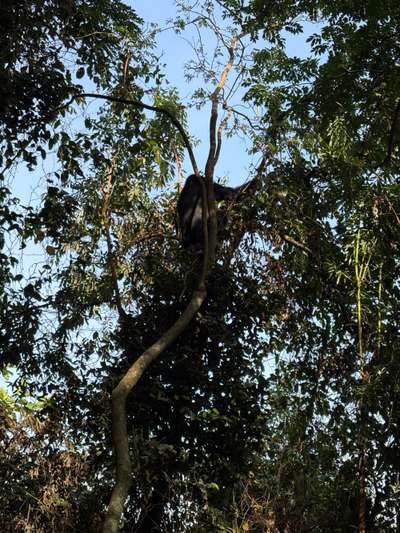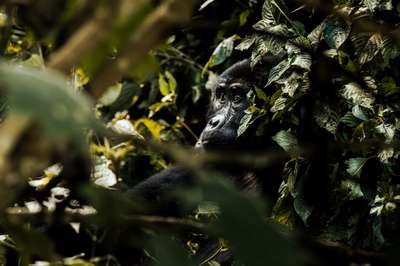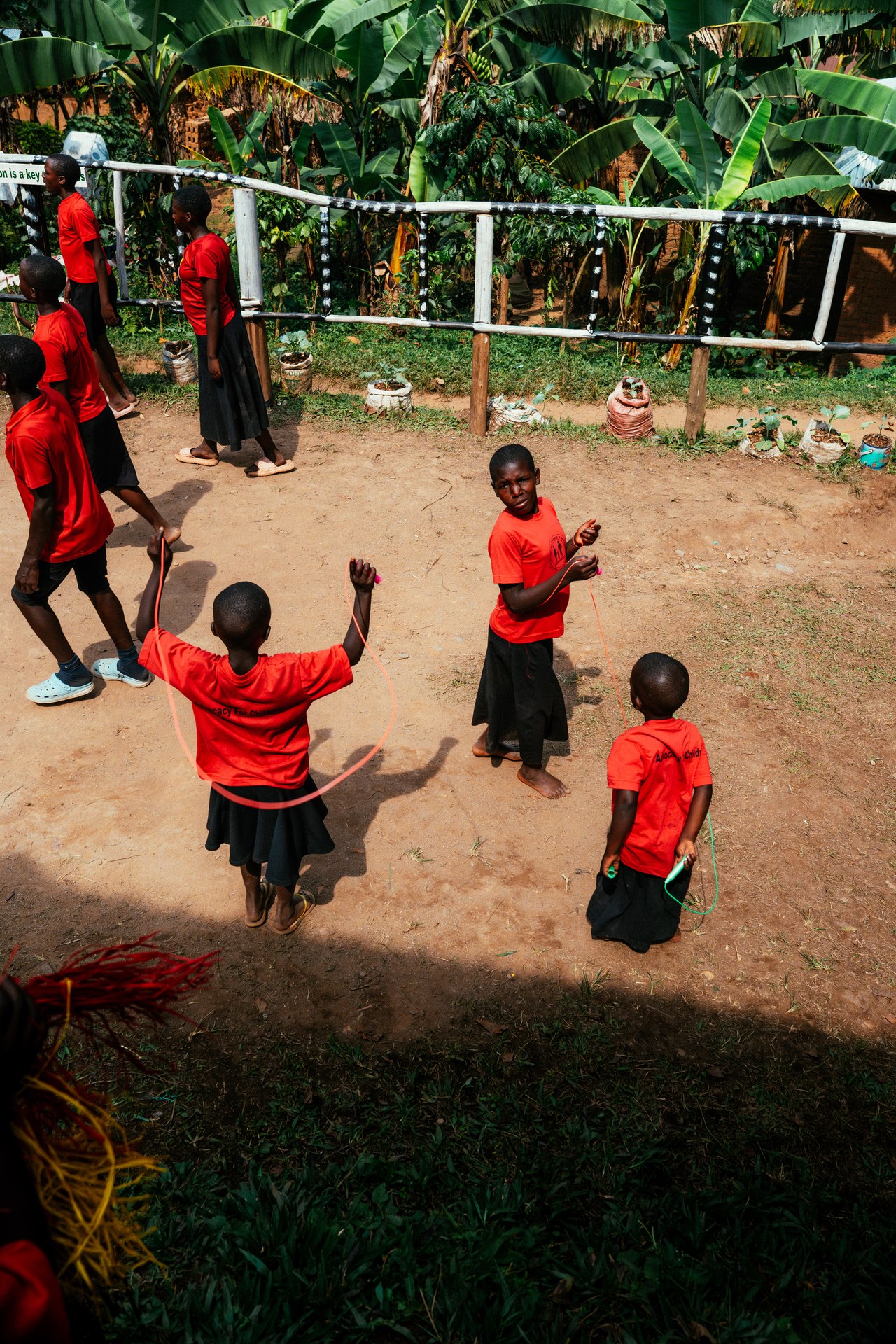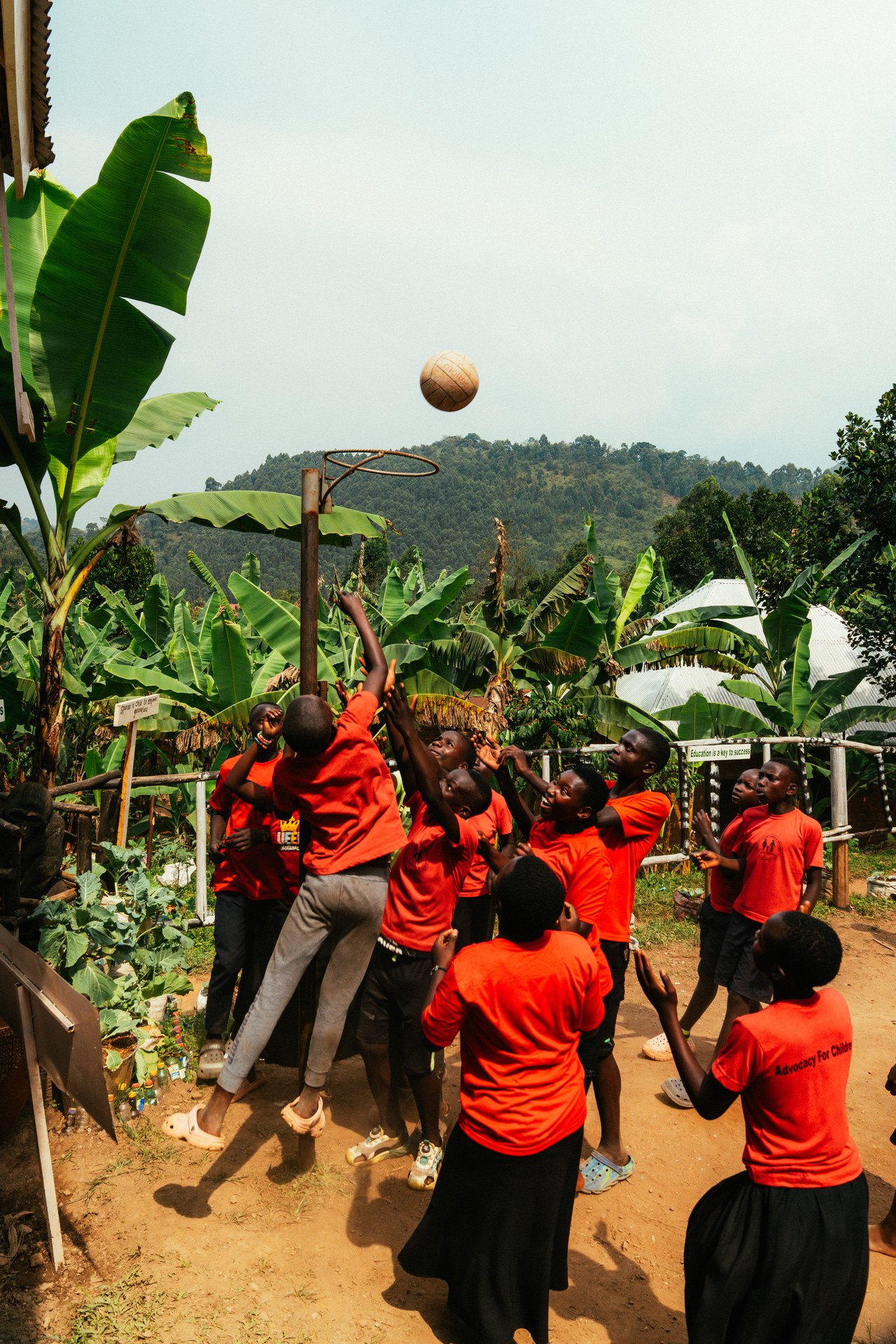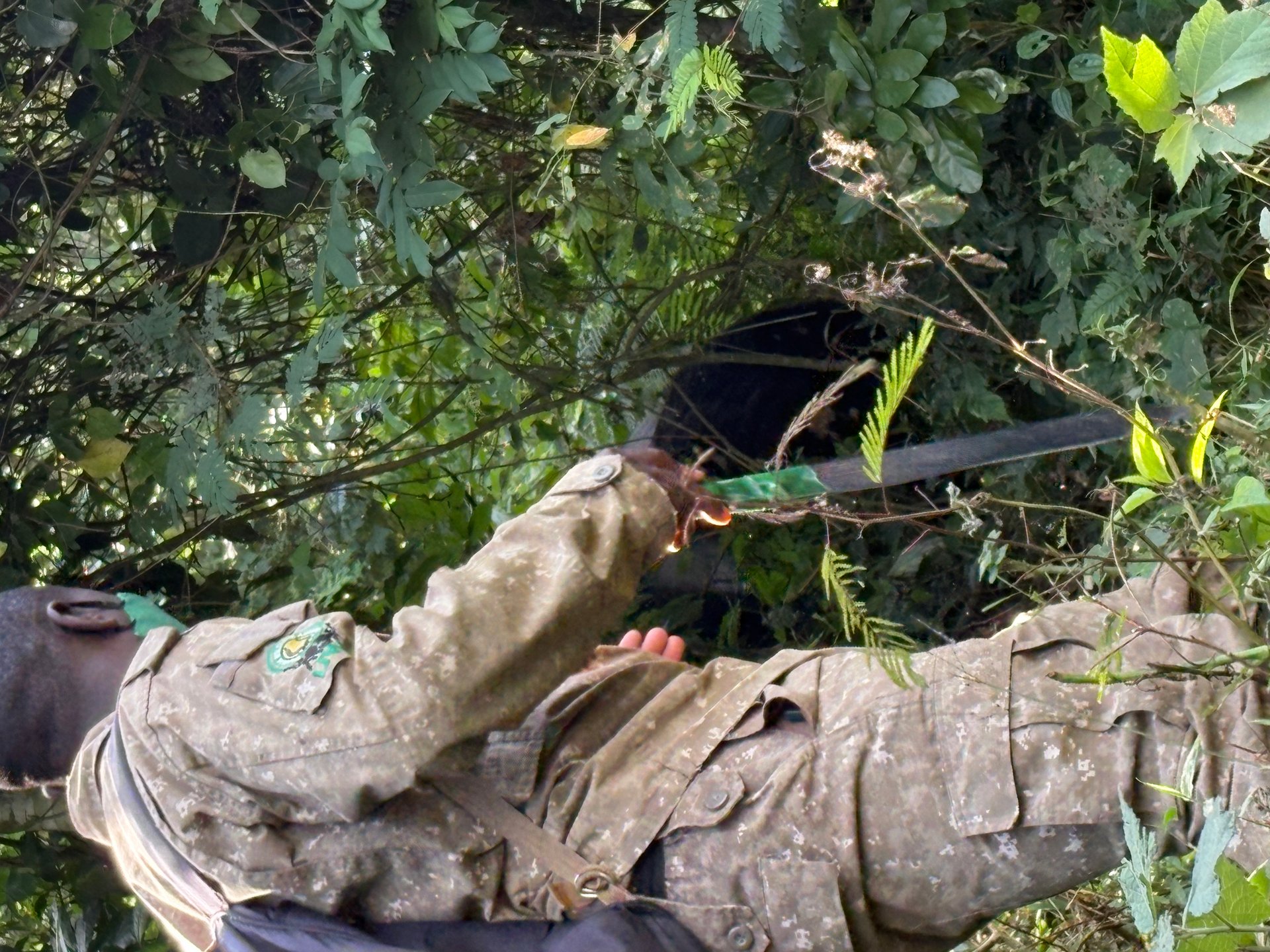
Photography in Buhoma spans gorilla trekking in dark forest conditions (high ISO, no flash, 7m minimum distance), birdwatching with 350+ species, atmospheric rainforest trails, and vibrant village life. Bring a camera with good low-light performance and a 70-200mm lens for gorillas and birds. Always ask permission before photographing people. Flash is strictly prohibited near primates; drones require special UWA authorization.
Quick Facts
- Flash Near Gorillas:
- Strictly prohibited
- Minimum Distance:
- 7 meters from gorillas
- Drones:
- Not permitted without UWA authorization
- Best Lens:
- 70-200mm f/2.8 or f/4
- ISO Range:
- 1600-6400+ in forest
- Best Light:
- Early morning & late afternoon
- People Photos:
- Always ask permission first
- Weather:
- Bring rain covers for equipment
Gorilla Photography
Photographing mountain gorillas in their natural habitat is one of the most rewarding and challenging wildlife photography experiences in the world. The challenge comes from the environment: Bwindi Impenetrable Forest lives up to its name. The canopy blocks most light, creating conditions as dark as a dimly lit room. The undergrowth is dense and constantly in the way. The gorillas move, often at inconvenient moments. And you have exactly one hour.
The reward is immeasurable. A silverback gazing at you from five meters away, a mother nursing her infant, juveniles playing in the branches, a family group resting in a sun-dappled clearing: these are images that no amount of technical difficulty can diminish. Preparation and the right equipment dramatically improve your chances of capturing them well.
Camera Settings for Gorillas
- Mode: Aperture priority (Av/A) or manual. Aperture priority with exposure compensation lets you react quickly to changing light.
- ISO: Auto ISO with a ceiling of 6400-12800, depending on your camera's high-ISO capability. Noise is preferable to blur.
- Aperture: Wide open or near wide open (f/2.8-f/4) to maximize light gathering. Accept the shallow depth of field.
- Shutter speed: Minimum 1/250 second for active gorillas, 1/125 for resting subjects. Use a faster speed if light permits.
- Focus: Continuous autofocus (AI Servo/AF-C) with a single focus point or small group of points aimed at the gorilla's eyes.
- File format: RAW. The extreme dynamic range in the forest (bright sky patches, dark undergrowth) demands post-processing flexibility.
- Flash: Off. Always off. This is a strict rule, not a suggestion.
Composition Tips
- Focus on the eyes. A gorilla portrait lives or dies by whether the eyes are sharp and engaged.
- Include the environment. Wide shots of a gorilla in the forest tell a more complete story than tight headshots.
- Watch for behavioral moments: feeding, grooming, play, a silverback display, a mother-infant interaction.
- Be ready for the unexpected. Gorillas can move from dense bush into a clearing suddenly, transforming the light.
- Use the vegetation. Foreground leaves and framing branches add depth and a sense of place.
- Shoot continuously during peak moments. Memory cards are cheap; gorilla encounters are not.
Bird Photography
With over 350 bird species, Bwindi is a paradise for bird photographers. The challenge mirrors gorilla photography: forest birds are often in low light, partially obscured by vegetation, and constantly moving. A 100-400mm or 200-600mm zoom lens gives the reach needed for canopy species, while a 70-200mm works for closer forest-edge birds.
The best approach is patience at productive locations. Fruiting trees attract turacos, barbets, and hornbills. Mixed-species flocks move through the canopy in waves, offering brief windows for each species. The forest edge and lodge gardens attract sunbirds that pose on flowers in better light than the forest interior. Early morning (6:00-9:00 AM) provides the most active bird photography opportunities.
Village and Cultural Photography
Buhoma village is visually rich. Red laterite roads, green banana plantations, colorful market stalls, children in school uniforms, artisans at work, and the dramatic backdrop of the Bwindi forest create compelling photographic subjects.
The golden rule is respect. Always ask before photographing people, particularly in close-up or portrait situations. A greeting in the local language opens doors. Show people the image on your screen. On guided community walks, your guide navigates photography etiquette and helps identify willing subjects. Candid shots from a respectful distance often capture more authentic moments than posed portraits.
For village photography, a standard zoom (24-70mm or equivalent) is the most versatile lens. Wide angles capture environmental portraits and scenes. A fast 35mm or 50mm prime is excellent for low-light interiors and intimate portraits. The light in Buhoma is often beautiful: soft overcast skies, warm late-afternoon sun, and dramatic morning mist rising from the valleys.
Forest and Landscape Photography
The Bwindi forest itself is a subject of infinite photographic possibility. Ancient trees draped in moss and epiphytes, shafts of light penetrating the canopy, mist rising through the trees after rain, ferns unfurling from fallen logs, buttress roots spreading across the forest floor. The forest is challenging to photograph well because it is inherently chaotic, but finding order within the complexity is the art.
Overcast or misty days produce the best forest images, reducing contrast and creating an even, atmospheric light. Rain adds drama and the sound of water dripping through the canopy. A tripod helps for longer exposures that blur moving water or convey the movement of leaves in the wind. Look for leading lines: trails, streams, fallen trunks, and vine patterns that draw the eye through the frame.
For landscapes beyond the forest, the viewpoints along the approach road to Buhoma reveal the scale of Bwindi: an unbroken carpet of forest stretching to the horizon, with the Virunga volcanoes sometimes visible to the south. Sunrise and sunset light transforming the forest canopy from green to gold are peak moments.
Essential Equipment Checklist
- Camera body with good high-ISO performance (modern mirrorless or DSLR)
- 70-200mm f/2.8 or f/4 for gorillas and birds (the most important lens)
- 24-70mm or 24-105mm for landscapes, village scenes, environmental portraits
- Wide-angle lens (16-35mm) for forest interiors and dramatic perspectives
- Extra batteries (at least 3; humidity and cold drain them)
- Extra memory cards (shoot RAW generously; you cannot repeat this trip)
- Rain cover for camera and lens (a simple plastic bag with elastic works)
- Microfiber cloths for wiping condensation and rain from lenses
- Silica gel packets for the camera bag to absorb moisture
- Headlamp for pre-dawn gear preparation
- Ziplock bags for emergency waterproofing of electronics
- Portable hard drive or laptop for daily backups