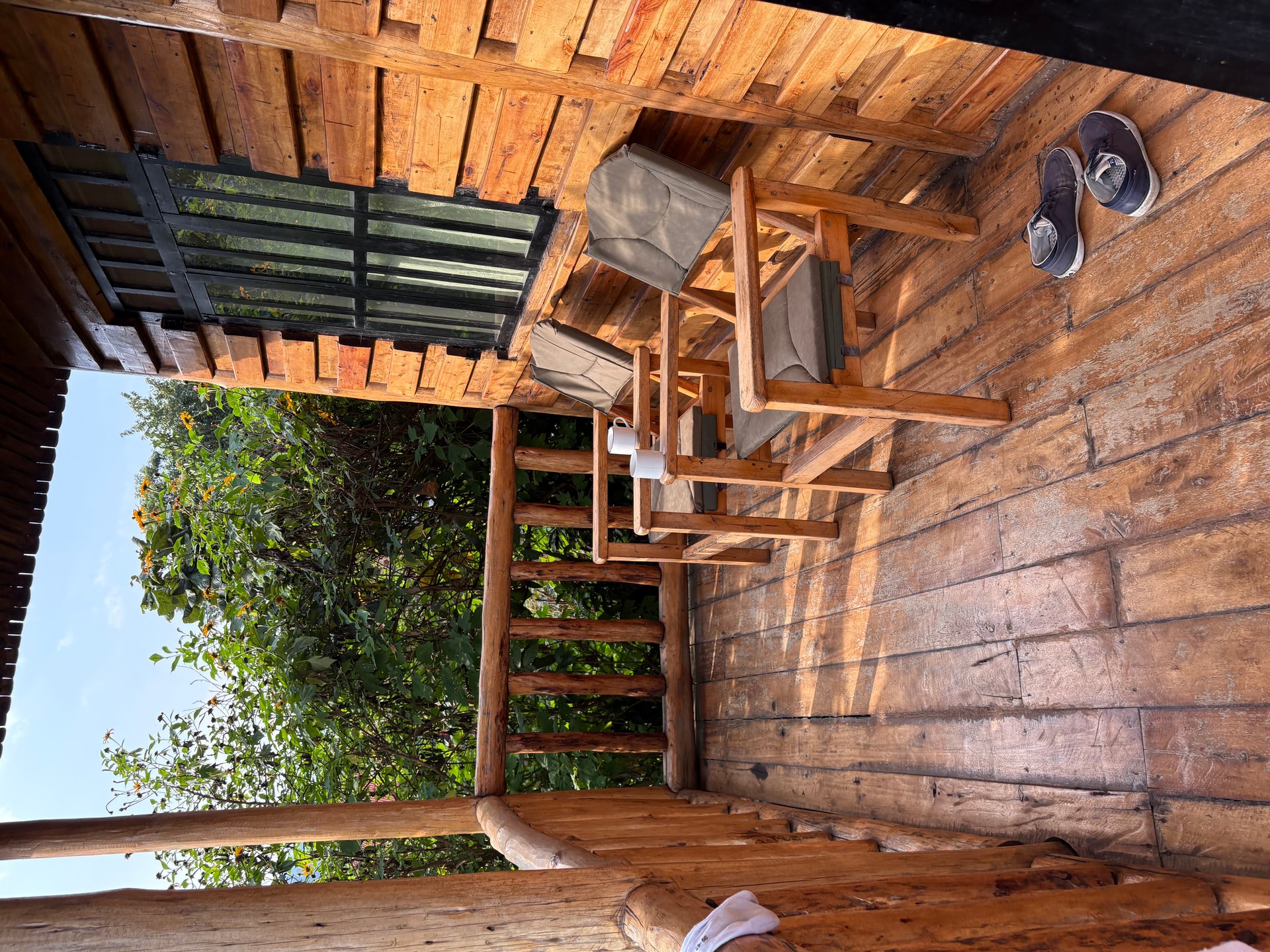
Yes — gorilla trekking in Buhoma during the rainy season is absolutely worth it. Gorilla permits are still available, the forest is strikingly green, and lodge rates are often 20–30% lower. The trade-off is muddier, more demanding trails. With the right gear (waterproof boots, rain jacket, gaiters), the rainy season offers an intimate, uncrowded experience.
Quick Facts
- Main Rainy Seasons:
- March–May and October–November
- Short Dry Spell:
- January–February (within the wet season)
- Gorilla Trekking:
- Available year-round, including wet season
- Permit Availability:
- Better than dry season — easier to book
- Lodge Rates:
- Often 20–30% lower
- Trail Conditions:
- Muddy, slippery, more demanding
- Forest Scenery:
- Most lush and vivid
- Crowds:
- Significantly fewer tourists
Why the Rainy Season Surprises Most Visitors
Most first-time visitors to Buhoma assume the rainy season is a compromise — something to endure in exchange for a cheaper permit. The reality is different. The rainy season has qualities that the dry season simply cannot match.
The forest in April or November is extraordinary. Bwindi Impenetrable National Park earns its name in the wet months — the canopy is dense, every shade of green is saturated, and the entire forest feels alive in a way that photographs rarely capture. The air smells of wet earth and vegetation. Waterfalls that disappear in dry months reappear. Bird activity intensifies.
The gorillas do not leave. They move through the same ranges, eat the same vegetation, raise their young on the same schedule. The silverback does not check the weather before deciding whether to be impressive. You will see the same animals, in the same forest, with the same one-hour encounter — but without the convoys of other trekking groups you would encounter in July or August.
Visitor numbers drop sharply in the rainy months. The tracks feel wilder, quieter, and more authentic. For some travellers, this is the main reason to go.
Exact Months and What to Expect Weather-Wise
Buhoma sits at roughly 1,400 to 1,600 metres elevation on the edge of Bwindi Impenetrable National Park. Its weather is shaped by two rainy seasons driven by the Intertropical Convergence Zone.
Long Rainy Season: March to May
The long rains begin gradually in March and intensify through April and May. April is typically the wettest month. Rain arrives in the form of heavy afternoon and evening downpours rather than constant drizzle. Mornings are often clear or only lightly overcast — which matters enormously, since gorilla treks depart between 07:30 and 08:00. By midday, clouds build. By mid-afternoon, heavy rain is common.
Temperatures remain mild throughout: daytime highs of 20 to 24°C, dropping to 12 to 15°C at night. The rain does not make Buhoma cold in a northern European sense, but layers are needed for early mornings and evenings.
Short Rainy Season: October to November
The short rains are generally less intense and more intermittent than the long rains. October and November see frequent but shorter rainfall events, often clearing by midday. This makes the short rainy season the more visitor-friendly of the two wet periods. Late November into December can be a transitional sweet spot — prices remain lower, trail conditions improve, and the forest retains its green intensity.
January and February: A Quieter Exception
January and February fall between the short and long rains and are relatively dry, though not as reliably clear as the June to September window. They represent an underrated option — drier trails than the wet season, far fewer visitors than peak months, and better permit availability than June through August.
Trail Conditions in the Wet Season — An Honest Assessment
This is where honesty matters. The trails in Bwindi during the rainy season are genuinely challenging. The soil is clay-heavy and retains water after rain. Slopes that are steep but manageable in the dry season become slick and demanding after rainfall. Roots, which provide footholds in dry conditions, become slippery when wet.
The ascents are steep regardless of season — Bwindi is a mountain forest. In the wet season you add mud, wet vegetation brushing against you from all sides, and the occasional section where you are essentially hauling yourself uphill by grabbing roots and branches. This is why gardening gloves are essential kit, not optional.
That said, it is manageable. Guides are experienced in these conditions and will route the group around the worst sections where possible. Walking sticks are provided free at the trailhead and are effective on wet terrain. Thousands of visitors successfully complete gorilla treks every rainy season. The key variables are fitness level, footwear quality, and mental preparation. Go in knowing the trails will be hard, and you will not be disappointed.
Trek duration in the wet season is similar to dry season — anywhere from 2 to 7 hours depending on where the habituated group has moved. Rain does not slow the gorillas or extend the trek significantly. If anything, guides who know wet terrain routes may find more direct paths.
What to Pack Specifically for Rainy Season Trekking
Standard gorilla trekking kit applies year-round, but the rainy season demands extra attention to waterproofing and lower-body protection. The following additions or upgrades matter most.
Waterproof Layering
- Waterproof jacket: Not water-resistant — waterproof. Gore-Tex or equivalent. The distinction matters when you are trekking through dense wet vegetation. A cheap windbreaker will soak through within minutes.
- Waterproof trousers: More important in the wet season than any other time. Lightweight over-trousers worn over your regular trekking trousers. They are the difference between arriving back at the lodge damp and arriving soaked to the skin.
- Waterproof boots: The single most important gear upgrade for wet-season trekking. Full waterproofing, ankle support, and aggressive lug sole. Break them in thoroughly before the trip.
Gaiters
Gaiters are strongly recommended in the rainy season. They seal the gap between boot and trouser, keeping mud and water out of your footwear on the most saturated trail sections. Mid-height gaiters are sufficient — full-height mountaineering gaiters are unnecessary.
Dry Bags and Pack Protection
- Pack rain cover: Essential. Even waterproof daypacks benefit from an external rain cover in sustained heavy rain.
- Dry bags: Keep camera, phone, and documents inside separate dry bags or heavy-duty zip-lock bags inside your pack. Moisture finds a way in.
- Camera weather sealing: If your camera body and lens are not weather-sealed, bring a rain sleeve or improvise with a zip-lock bag with a hole cut for the lens.
Additional Rainy Season Items
- Extra socks: Bring at least three pairs. Wet socks are miserable on a long trek. A dry pair at the midpoint makes a significant difference.
- Towel in your daypack: A small microfibre towel for wiping down camera equipment and your hands.
- Gardening gloves (two pairs): They will get soaked. Having a dry spare pair for the return trek is worthwhile.
Cost Savings and Permit Availability
The financial case for rainy season travel is straightforward. Gorilla trekking permits remain at the standard price ($800 for foreign non-residents) regardless of season — Uganda Wildlife Authority does not offer seasonal discounts on permits. What changes is everything around the permit.
Lodge rates at mid-range and high-end properties in Buhoma typically drop 20 to 30 percent in the low season (March to May, October to November). At Buhoma's top-tier lodges, this can represent a saving of $100 to $200 per night per person. Some lodges include additional services — forest walks, village tours, meals — in their wet-season rates that would be add-ons in peak season.
Permit availability is meaningfully better in the wet season. During the July to August peak, permits for the Buhoma gorilla groups can be fully booked months in advance. In April or November, same-week and even last-minute bookings are often possible through UWA directly or via reputable tour operators. This flexibility is valuable for travellers building itineraries that may shift.
Internal flight costs and vehicle charter rates to Buhoma also tend to be lower in the wet season, as overall tourist volumes drop. The total cost of a rainy season trip to Buhoma — excluding the permit itself — is often 25 to 40 percent less than an equivalent dry season trip.
Who Should and Who Should Not Go in the Rainy Season
The rainy season suits you if:
- You are reasonably fit and comfortable with physically demanding hiking — steep, slippery terrain is part of the experience
- You have flexibility on dates and want better permit availability without planning months ahead
- Budget matters and you want to maximize value without compromising the core gorilla encounter
- You prioritize quiet, uncrowded experiences over ideal weather
- You are travelling in October or November, when the short rains are milder and mornings frequently clear
- Photography of the forest environment, birds, or landscape matters to you — the wet season light and greenery are exceptional
The rainy season is not ideal if:
- You have significant mobility limitations or joint problems — wet terrain amplifies the physical demands considerably
- You are traveling with young children who may struggle on muddy, steep trails
- Dry, comfortable conditions are a priority rather than a preference
- You are visiting specifically in late April or May, the peak of the long rains — these are the most demanding weeks of the year in Bwindi
- Your camera equipment is not weather-sealed and cannot be adequately protected — missing the gorilla encounter due to equipment failure would be a significant loss given the permit cost
For most physically capable adult travellers, the rainy season is a genuinely good choice. The gorilla encounter itself — which is the reason most people make the long journey to Buhoma — is unchanged by rainfall. The forest, the guides, the animals, the hour spent watching a mountain gorilla family in their natural habitat: none of this is diminished by mud on your boots.