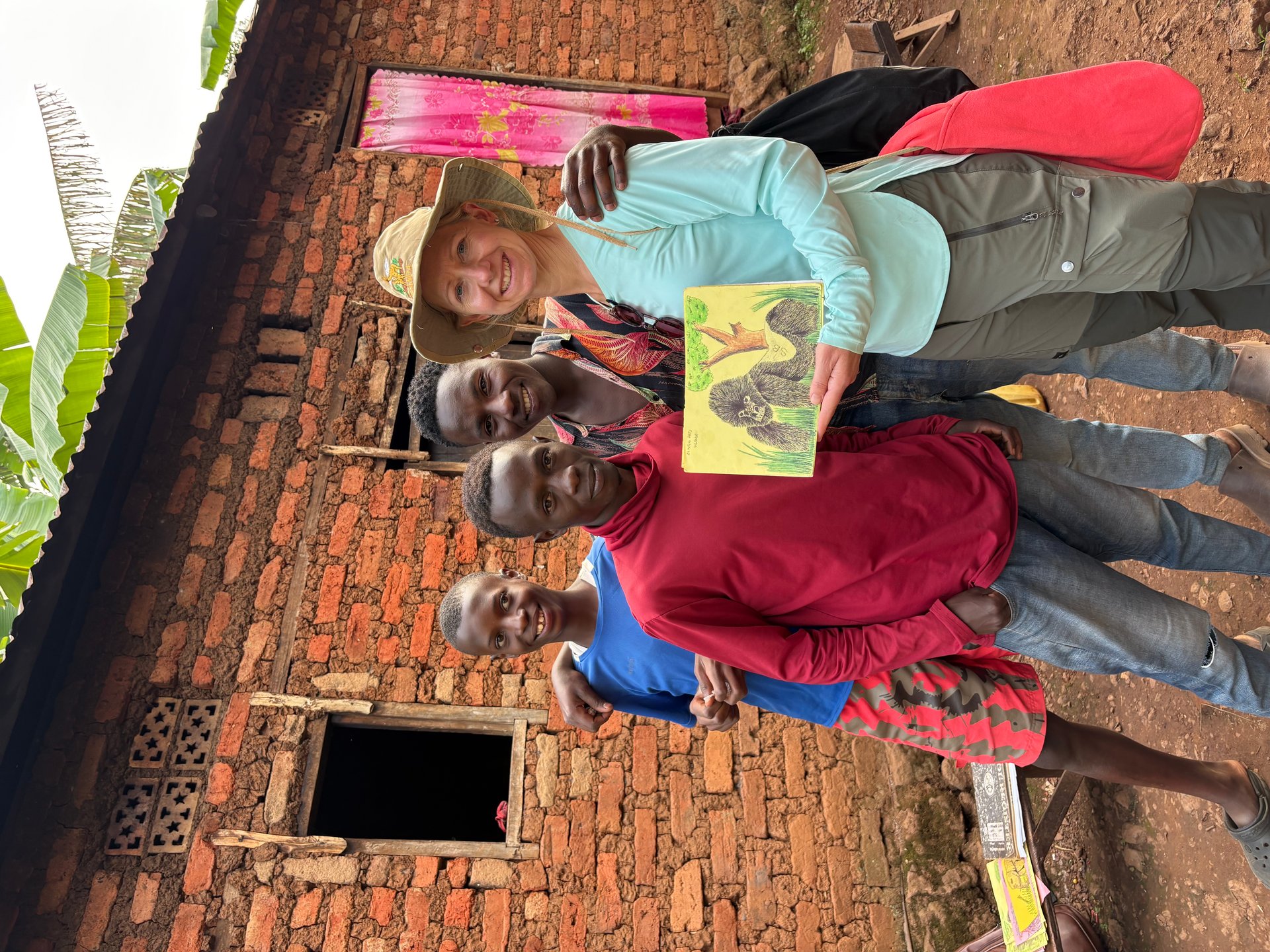
Ugandan cuisine is built on fresh, local ingredients — matooke (steamed green banana mash) is the national staple, accompanied by groundnut stew, beans, and roasted meat. The Rolex (egg-stuffed chapati rolled up) is the street food every visitor eats twice. Food in Uganda is filling, affordable, and deeply tied to community — most meals are shared.
Quick Facts
- National Staple:
- Matooke (green banana mash)
- Must-Try Street Food:
- Rolex (chapati + egg)
- Typical Meal Cost:
- $1–$4 at local restaurants
- Vegetarian Options:
- Excellent — beans, groundnuts, matoke, vegetables
- Eating Etiquette:
- Wash hands before eating, share from communal dishes
- Best Food Region:
- Central and Western Uganda (where Buhoma is)
- Street Food Safety:
- Choose busy stalls with high turnover
- Local Drink:
- Roasted Ugandan coffee, fresh passion fruit juice
The 10 Dishes You Must Try in Uganda
Ugandan food rewards curiosity. Step beyond lodge menus into local restaurants and market stalls, and you will find a cuisine built on generations of knowledge about local ingredients. These ten dishes represent the best of what Uganda offers — from communal pots of matooke to sizzling roadside skewers.
1. Matooke
Matooke is Uganda's national staple — green bananas peeled and steamed inside banana leaves until soft, then mashed to a smooth, slightly starchy consistency. The dish has a mild, earthy flavor that absorbs sauces beautifully, which is why it is almost always served alongside groundnut stew, beans, or meat. In Buhoma and the wider Kigezi region of western Uganda, matooke is eaten at least once a day in most households. It is the dish that defines Ugandan identity — if you eat it once, you understand the country a little better.
2. Rolex
The Rolex is Uganda's most iconic street food, and the name — a contraction of "rolled eggs" — gives away the recipe. A fresh egg omelette is cooked on a flat griddle with tomatoes, onions, and shredded cabbage, then rolled inside a warm chapati. It is sold from small roadside stalls and market corners for under a dollar, made to order in under three minutes. You will find Rolex vendors in Buhoma village and at every junction along the road from Kampala. Most first-time visitors eat one, declare it excellent, and immediately order another.
3. Katogo
Katogo is a hearty one-pot breakfast dish that combines matooke or plantain with offal — usually beef tripe or liver — cooked down in a groundnut-based sauce with tomatoes and onions. The name simply means "mixed" in Luganda, and the dish delivers on that promise: starchy, protein-rich, and deeply savory all at once. Local guesthouses in Buhoma serve katogo in the early morning before trek departures. If the idea of offal is not appealing, some versions substitute beans for the meat, and the result is equally satisfying.
4. Groundnut Stew (Ebinyebwa)
Groundnut stew — made from freshly ground peanuts cooked into a thick, rich sauce — is one of the defining flavors of Ugandan cooking. Called ebinyebwa in Luganda, it is slow-cooked with onions, tomatoes, and sometimes leafy greens until it becomes dense and intensely nutty. It is almost always served alongside matooke or rice, and the combination is one of the most satisfying vegetarian meals on the continent. You will taste groundnut stew at every lodge in Buhoma and at every roadside restaurant on the drive from Kampala.
5. Posho
Posho is a dense maize flour porridge cooked with boiling water until it forms a solid, sliceable mass — similar to ugali in Kenya or sadza in Zimbabwe. It has a neutral flavor and is eaten by hand in small pieces, used to scoop up stew, beans, or sauce. Posho is more common in northern and eastern Uganda than in the west, but it appears throughout the country as an affordable, filling staple. If you stay at community guesthouses in Buhoma, posho is likely to appear on the menu alongside locally grown beans.
6. Nyama Choma
Nyama choma — Swahili for "roasted meat" — is the celebratory dish of East Africa, and Uganda embraces it fully. Goat and beef are the most common choices, marinated simply with salt and sometimes herbs, then slow-roasted over charcoal until the exterior is charred and the interior is tender. It is eaten at roadside restaurants, at family celebrations, and at the kind of informal beer gardens that appear at junctions throughout the country. On the drive between Kampala and Buhoma, you will see nyama choma stalls at almost every stop — this is the right place to try it.
7. Muchomo
Muchomo is Uganda's version of the roadside kebab — small pieces of goat, chicken, or pork threaded onto wooden skewers and roasted over an open charcoal fire. The result is crispy on the outside, juicy inside, and eaten standing at the stall with a sprinkle of roasted groundnut powder on the side. Muchomo vendors operate at bus parks, market entrances, and roadside stops throughout Uganda. In Buhoma village, you will find muchomo available in the evenings, and it makes an excellent snack after a full day of trekking.
8. G-Nut Sauce with Sim-Sim
In western Uganda — the region that includes Buhoma and the Kigezi highlands — groundnut sauce is often enriched with sim-sim (sesame seeds), ground and toasted to add a deeper, more complex nuttiness to the sauce. The result is thicker and more aromatic than standard groundnut stew, with a slightly sweet quality from the sesame. It is typically served with matooke or rice and is particularly common at home kitchens and smaller local restaurants where traditional western Ugandan cooking is still practiced. Asking for it specifically in Buhoma may require visiting a local family's guesthouse rather than a lodge.
9. Mandazi
Mandazi are slightly sweet fried dough pieces — triangular or round, with a light interior and a crisp exterior — eaten for breakfast throughout East Africa. In Uganda they are made with wheat flour, a little sugar, coconut milk or plain milk, and sometimes a touch of cardamom, then deep-fried until golden. They are almost always served with chai tea — black tea brewed with milk and sugar — and the combination is the standard Ugandan breakfast at roadside stops and guesthouses. In Buhoma, mandazi appear every morning at local food stalls and are a good, filling option before an early trek departure.
10. Fresh Tropical Fruits
Uganda's equatorial climate and fertile soils produce some of the finest tropical fruit in East Africa, and for many visitors it becomes an unexpected highlight of the trip. Passion fruit in Uganda is intensely fragrant and sweet-tart in a way that imported versions never match. Jackfruit — enormous, yellow-fleshed, and honey-sweet — is sold in segments at markets. Pineapple grown in the red soils of central Uganda is famously different from anything you have tasted before: juicy, complex, and never sharp. Mango season (November to February) brings dozens of varieties. At Buhoma lodges, fresh fruit platters appear at breakfast, and buying fruit at the village market is an easy, cheap, and genuinely wonderful part of the local experience.
Vegetarian Eating in Uganda
Vegetarians traveling to Uganda are often pleasantly surprised. Plant-based eating is not an accommodation — it is the default for many Ugandans, particularly at home and at local restaurants where meat is sometimes reserved for special occasions. Matooke, beans, groundnut stew, posho, sweet potatoes, cassava, and seasonal greens collectively form a complete, nutritious, and deeply satisfying diet that requires no substitutions.
At local guesthouses and market restaurants in and around Buhoma, you can almost always build a full vegetarian plate from whatever is on the menu that day. The phrasing "without meat" is understood everywhere, and staff will not consider it an unusual request. At lodge restaurants, vegetarian options are consistently available and often highlighted on the menu.
Vegan travelers should note that butter sometimes appears in chapati preparation and that chai tea is typically made with milk. Asking for black tea (called "African tea" without milk) is a reasonable request, and most kitchens can prepare chapati without butter if asked in advance. Overall, Uganda is one of the more vegetarian-friendly destinations in sub-Saharan Africa.
Street Food Safety
Street food in Uganda carries a low risk when you follow the same principles that experienced travelers use throughout East Africa. The most important rule is turnover: a busy stall that serves dozens of customers per hour means food is freshly cooked continuously rather than sitting out. Empty stalls or food that looks as if it has been resting for hours are worth avoiding.
Always choose food cooked to order in front of you. The Rolex is ideal in this regard — you watch the egg go onto the griddle and the chapati come out fresh. Nyama choma roasted over coals is similarly safe because the heat is sufficient and sustained. Avoid pre-cooked meat or fish sitting uncovered at room temperature.
Hand washing before eating is both a hygiene measure and a social norm in Uganda. Most restaurants and market food stalls have a hand-washing station — a jerry can of water and soap — available before meals. Using it is expected and welcomed. Carrying a small bottle of hand sanitizer as a backup is sensible for moments when water is not available.
Food in Buhoma
Buhoma sits at the edge of Bwindi Impenetrable Forest in the Kigezi highlands, and its food culture reflects both the highland agricultural traditions of western Uganda and the influence of tourism. Lodges at every price point serve food — the difference lies in elaboration and variety rather than quality.
Mid-range and luxury lodges typically serve a hybrid menu: local dishes like matooke, groundnut stew, and roasted chicken alongside continental options (pasta, salads, sandwiches) for guests who prefer familiar food. Breakfast usually includes fresh fruit, eggs cooked to order, mandazi or toast, and chai or Ugandan coffee. The coffee served at Buhoma lodges is often locally sourced from the Kigezi region — roasted Arabica with a clean, bright character that reflects the high-altitude growing conditions.
Community guesthouses in Buhoma village offer a more authentic and affordable experience. Meals are home-cooked, portions are generous, and the menu changes daily based on what is fresh at the local market. Expect matooke, beans, groundnut stew, posho, and seasonal vegetables for 3,000–8,000 Ugandan shillings (under $3 USD) per meal.
Buhoma village market operates on a rotating schedule and is worth a visit not just for shopping but for observing the full range of local produce: green bananas by the bunch, fresh groundnuts still in their shells, passion fruit, dried beans, cassava, and leafy greens harvested from nearby gardens. Buying and snacking at the market is a genuine connection to local food culture and one of the more memorable parts of a stay in the area.
What to Drink in Uganda
Ugandan food is accompanied by drinks that are equally worth exploring. Fresh passion fruit juice — squeezed to order at local restaurants and lodge kitchens — is one of the most consistently excellent beverages in East Africa. Ugandan passion fruit has an intensity of fragrance and a sweet-tart balance that commercial versions never approach. Served cold in a tall glass, it is the default recommendation for any first visit.
Ugandan coffee is worth seeking specifically at source. The highlands around Bwindi produce arabica beans at altitude, and smallholder farmers in the Buhoma area roast and sell their coffee directly. Lodge restaurants typically serve locally sourced coffee that is clean, bright, and considerably better than generic East African blends. A coffee farm experience with a local family lets you follow production from cherry to cup — one of the more memorable activities available in Buhoma.
Chai — black tea brewed with milk and sugar — is the standard morning drink at guesthouses and roadside stops throughout Uganda. Served hot, sweet, and strong, it pairs naturally with mandazi for the classic Ugandan breakfast. Asking for less sugar or black tea without milk is understood at most places.
Among alcoholic options, Nile Special and Club lager are the two most widely available beers — light, cold, and reliably decent at any local bar or lodge. In Buhoma and the surrounding area, tonto — fermented banana wine brewed from highland bananas — appears at traditional gatherings. Its flavour is mild, slightly effervescent, and carries a faint sweetness from the fermented fruit. Waragi, Uganda's commercially produced spirit distilled from millet or banana, is available at bars and restaurants throughout the region.
Bottled water is available at all Buhoma lodges and throughout the village. Tap water is not safe to drink untreated. Most lodges provide filtered or bottled water in rooms as standard. Carry a water bottle with a filter if you are spending full days on forest trails.
Related Guides
Packing List
What to bring to Buhoma
Getting to Buhoma
Transport options from Kampala
Coffee Experiences
Uganda's world-class coffee culture