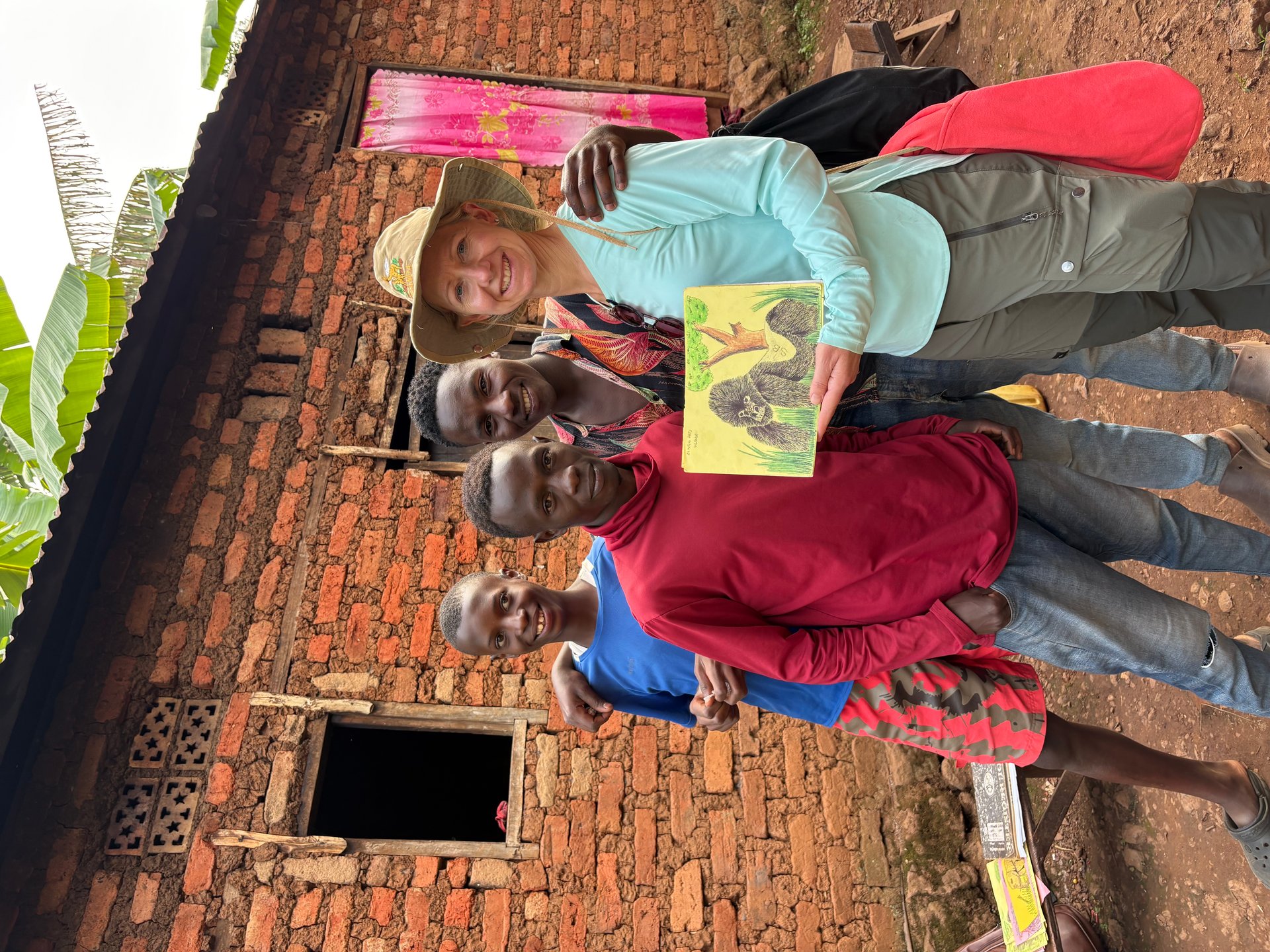
Coffee experiences in Buhoma are hands-on farm tours where you pick, process, roast, and taste arabica coffee with local farming families. Lasting 2-3 hours and costing $15-25 per person, these visits offer an intimate look at smallholder agriculture near Bwindi Impenetrable National Park. Fees go directly to farming families and their cooperatives.
Quick Facts
- Duration:
- 2-3 hours (full); 1 hour (tasting)
- Cost:
- $15-25 per person
- Coffee Type:
- Arabica, shade-grown
- Altitude:
- ~1,500m elevation
- Best Time:
- Morning to early afternoon
- Booking:
- Through your lodge, 1 day ahead
- Physical Level:
- Easy, minimal walking
- Souvenirs:
- Freshly roasted beans available
Uganda's Coffee Heritage
Uganda is Africa's largest coffee exporter and one of the few countries where coffee grows wild. The robusta species is indigenous to the forests of central and western Uganda, while arabica thrives in the highland areas of the southwest, including the hills around Bwindi Impenetrable National Park. Coffee farming is a cornerstone of the rural economy, and millions of Ugandan families depend on it.
In the Buhoma area, smallholder farmers grow arabica coffee on steep hillsides at altitudes of around 1,500 meters. The volcanic soils of the Albertine Rift, regular rainfall, and moderate temperatures create ideal growing conditions. Most farms are small, typically less than one hectare, and coffee grows as part of a mixed-crop system alongside bananas, beans, and sweet potatoes. The coffee is shade-grown, which supports biodiversity and produces a milder, more complex flavor.
For decades, farmers sold raw cherries to middlemen for minimal prices. Community-based tourism has changed this by giving farming families the opportunity to add value themselves and earn directly from visitors who come to learn about the process.
The Farm-to-Cup Journey
Step 1: Picking the Cherries
The experience begins in the coffee garden. Your host shows you the coffee plants, explains how they grow, and demonstrates how to identify ripe cherries. The deep red ones are ready; the green ones need more time. You pick handfuls of ripe cherries from the bush, feeling the firm, smooth skin between your fingers. It takes roughly 2,000 handpicked cherries to produce one pound of roasted coffee.
Step 2: Pulping and Washing
Back at the farmstead, you help remove the outer skin and pulp using a hand-cranked pulping machine. The beans inside are then washed in water to remove the remaining mucilage. This wet processing method, preferred for arabica, produces a cleaner, brighter taste than dry processing. Your host explains how fermentation time affects the final flavor.
Step 3: Drying
Washed beans are spread on raised drying beds or mats in the sun. Your host shows you beans at different stages of drying and explains the 7-14 day process. Properly dried beans have a moisture content of about 11-12%, which is critical for storage and flavor. You see and handle beans from parchment stage through to the green bean ready for roasting.
Step 4: Roasting
This is often the most engaging part. Green beans are placed in a shallow pan over a charcoal fire and stirred continuously by hand. The transformation is dramatic: within 15-20 minutes, pale green beans turn golden, then brown, then dark, releasing an intoxicating aroma. Your host invites you to take a turn stirring. The first crack signals a light roast; continuing produces a medium or dark roast. No industrial machinery here, just fire, a pan, and skilled hands.
Step 5: Grinding and Brewing
Freshly roasted beans are ground using a wooden mortar and pestle, the rhythm of pounding filling the farmyard. The ground coffee is then brewed, sometimes simply by steeping in hot water, sometimes through a cloth filter. The result is a cup of coffee that could not be fresher: you picked the cherries, processed them, roasted them, and now you are drinking them, all within a couple of hours.
Step 6: Tasting
You sit with the family, cup in hand, tasting what you have made. Buhoma arabica typically has a smooth body with mild acidity, notes of dark chocolate, and a subtle fruit sweetness. Your host might offer roasted groundnuts or mandazi (fried dough) alongside. The tasting becomes a conversation, a moment where the entire morning's work comes together in a single shared cup.
Supporting Farming Families
The coffee experiences in Buhoma are a model of how community-based tourism can supplement agricultural income. A farmer who sells raw cherries to a trader might earn pennies per kilogram. A farmer who hosts a visitor for a coffee experience earns significantly more from a single morning, while also educating visitors about the realities of smallholder farming in East Africa.
Some farming families in the area have organized into cooperatives that collectively process and market their coffee, achieving higher quality standards and better prices. The tourism experience helps build awareness of these cooperatives and their products. Several visitors have gone on to place orders for Buhoma coffee after returning home.