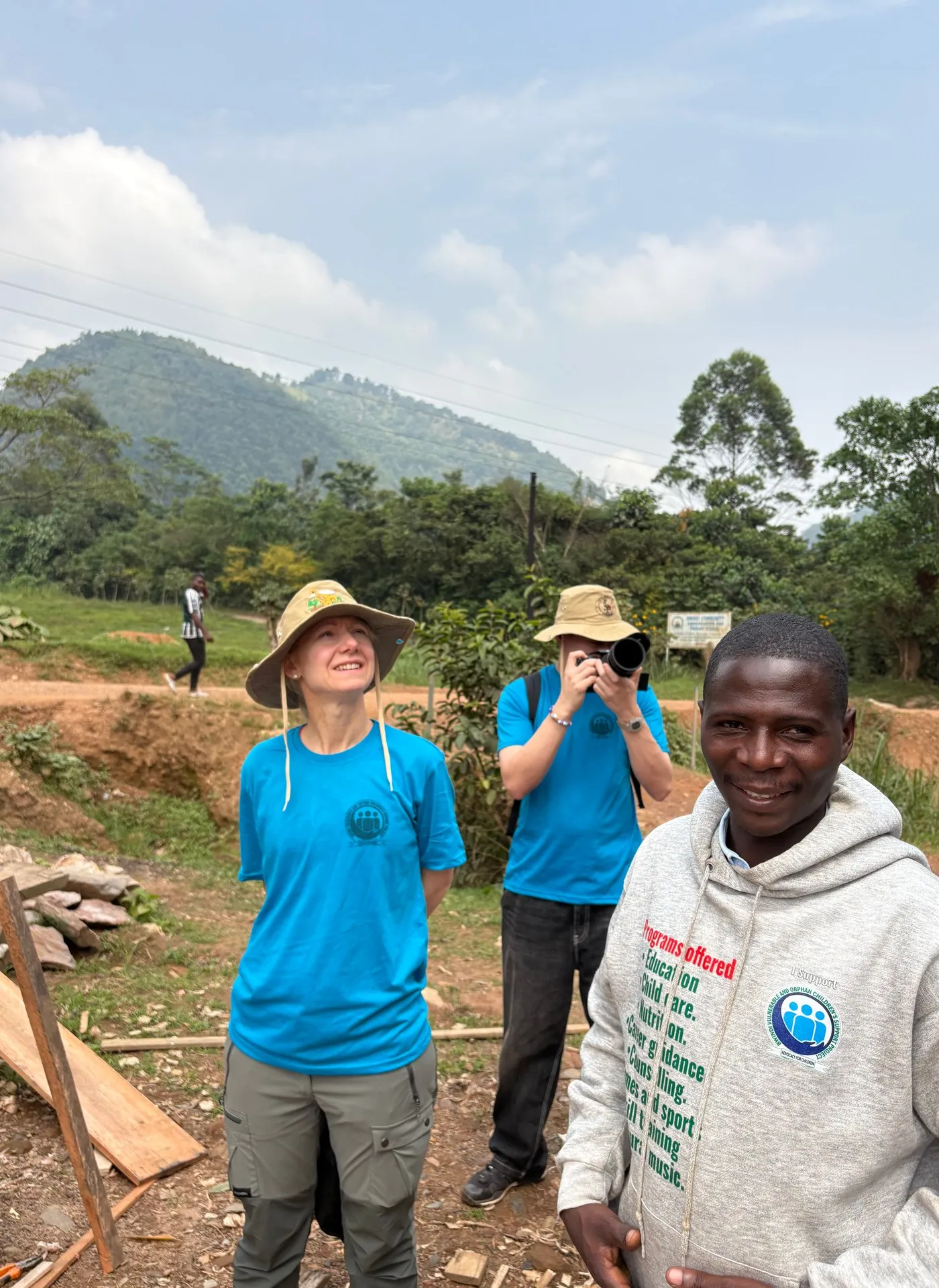
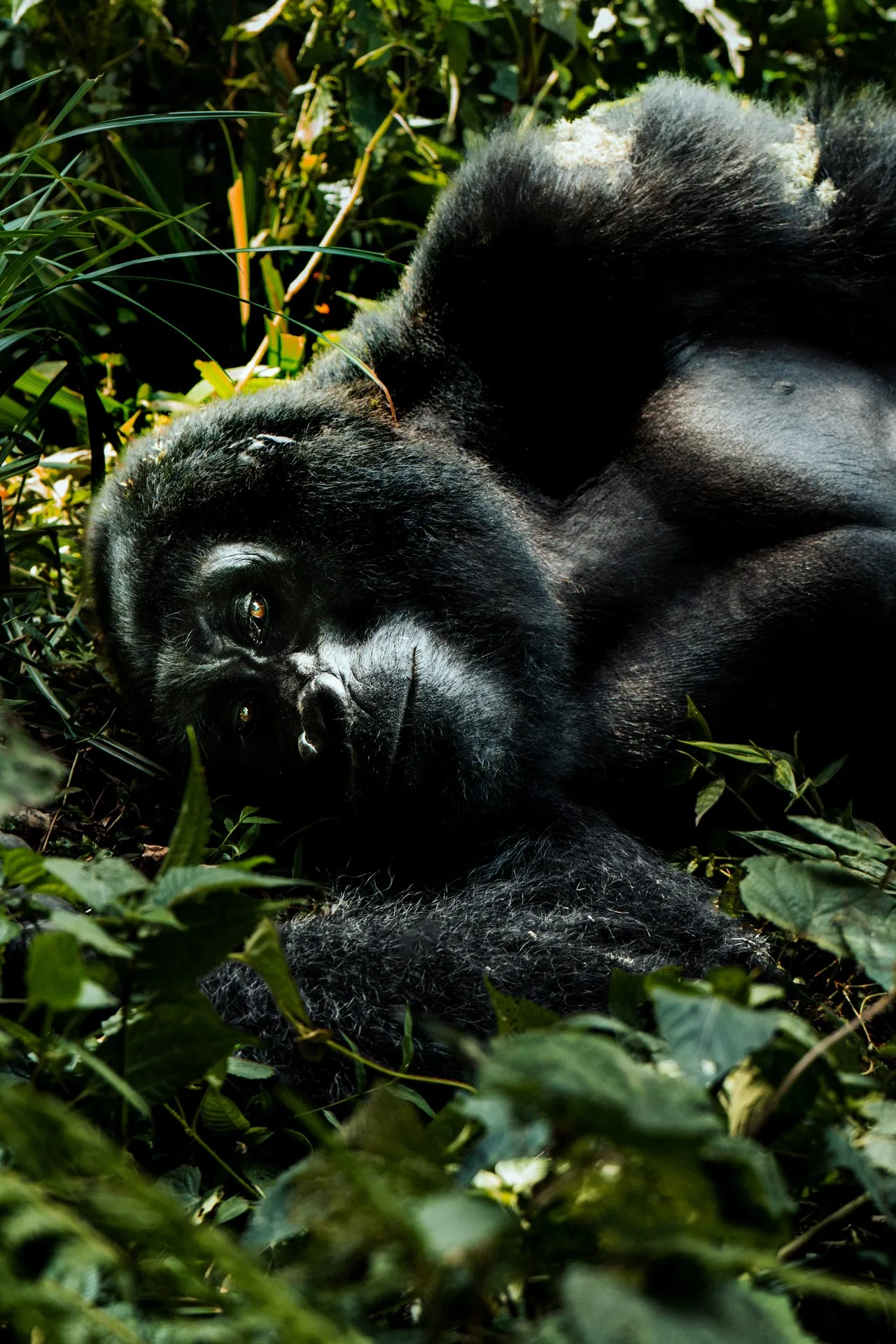
In Buhoma, community and conservation are inseparable. Revenue from gorilla trekking permits funds schools, health centers, and infrastructure, giving local people a direct economic stake in protecting the forest. This model — where tourism pays for conservation and conservation sustains tourism — has helped grow the mountain gorilla population from around 620 to over 1,000 and transformed a community that once resented the national park into its strongest defender.
Quick Facts
- Revenue Sharing:
- UWA distributes a share of park fees to bordering parishes
- Gorilla Population Trend:
- From ~620 in 1990s to over 1,000 today
- Park Area:
- 321 km² (Bwindi Impenetrable National Park)
- Community Projects Funded:
- Schools, health centers, water systems, roads
- Tourism Jobs:
- Lodges, guides, porters, craft sellers, food suppliers
- Batwa Community:
- Cultural tourism and livelihood programs ongoing
- Human-Wildlife Conflict:
- Buffer zones, tea hedges, and problem animal teams
- UNESCO Status:
- World Heritage Site since 1994
The Conservation Model: Why It Works
The story of conservation around Bwindi is, at its core, an economic story. When the national park was created in 1991, the surrounding communities lost access to forest resources they had depended on for generations. Firewood, building poles, medicinal plants, honey, bush meat — all were suddenly off-limits. The resentment was fierce and justified.
The breakthrough came with the realization that the gorillas could generate far more income alive and protected than the forest resources they had replaced. When Buhoma gorilla trekking launched in 1993, it created a revenue stream that could be shared with the community. The logic was simple and powerful: if the gorillas bring money, the community will protect the gorillas.
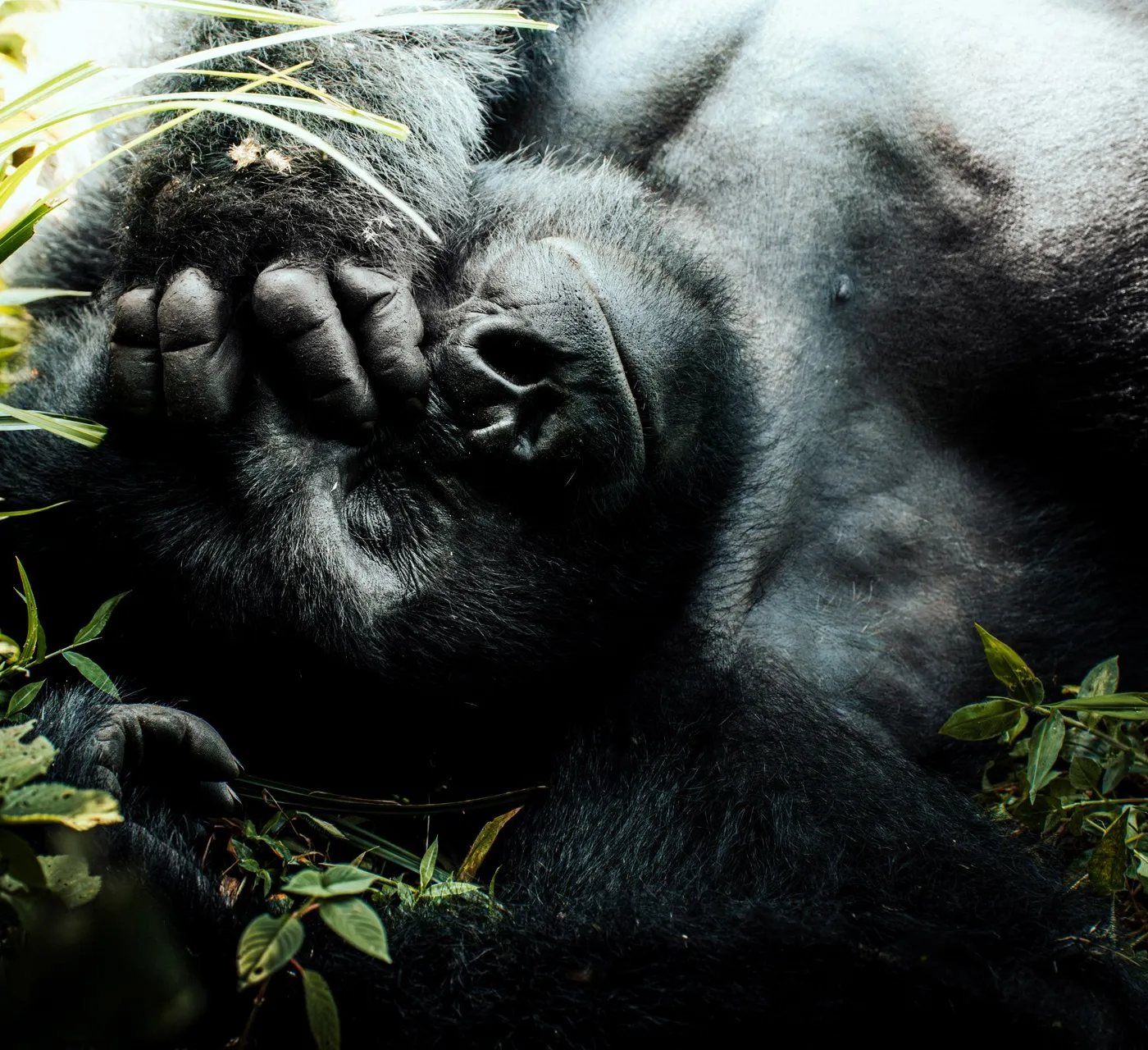
Three decades later, the evidence is overwhelming. The mountain gorilla population has grown by more than 60 percent. Poaching is virtually eliminated. And community attitudes have shifted from hostility to pride — the gorillas are no longer an imposition but a source of livelihood and identity.
Revenue Sharing: From Permits to Projects
Uganda Wildlife Authority's revenue-sharing program is the backbone of community conservation around Bwindi. A percentage of all national park revenue — generated from gorilla trekking permits, park entrance fees, and other tourism charges — is allocated directly to parishes bordering the park.
The program is designed to be community-led. Local committees composed of elected residents identify priorities and decide how funds are spent. In the Buhoma area, revenue-sharing funds have built and equipped primary school classrooms, constructed a community health center, installed gravity-flow water systems that bring clean water to households, improved access roads, and funded micro-enterprise grants for women's groups.
The tangible, visible nature of these projects is crucial. When a community can point to a classroom built with gorilla money, or a water tap flowing because of tourist visits, the connection between conservation and benefit becomes undeniable. This is not abstract policy — it is concrete change in people's lives.
The Tourism Economy: Jobs and Livelihoods
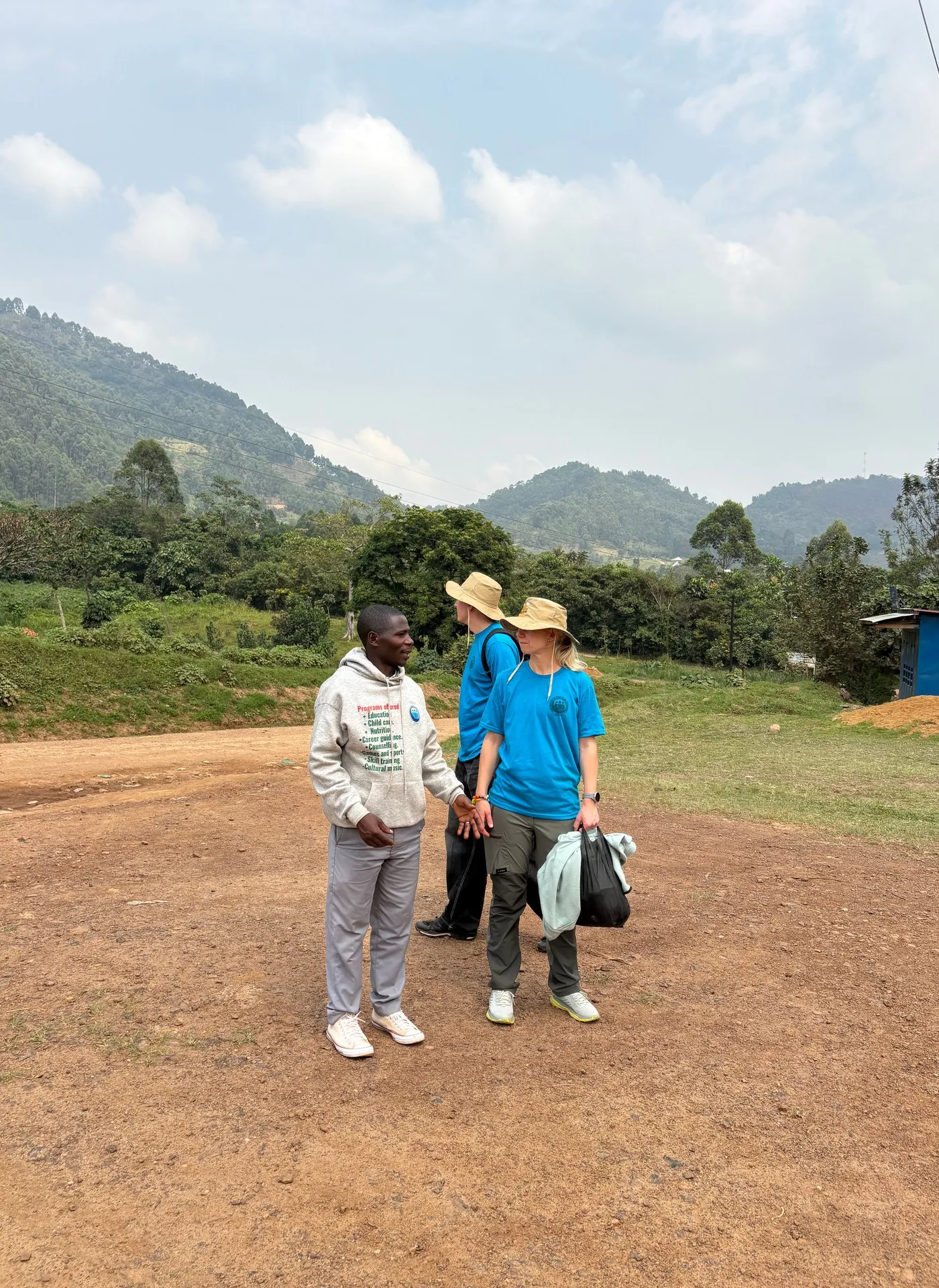
Beyond formal revenue sharing, tourism generates a wide ripple of economic activity through Buhoma. The most visible beneficiaries are the lodges and guesthouses that employ hundreds of local staff — from managers and chefs to housekeepers, gardeners, and security guards. For many families, a job at a Buhoma lodge is the first reliable cash income they have ever had. Community-owned operations such as the Buhoma Community Rest Camp go further still, reinvesting profits directly into village infrastructure and social services rather than distributing them to outside shareholders.
Porters form another important economic group. Recruited from communities bordering the park, porters carry trekkers' daypacks and provide support on the steep, often muddy forest trails. The daily fee plus tips can significantly supplement a farming family's income, and the work creates a direct personal investment in the continuation of gorilla tourism.
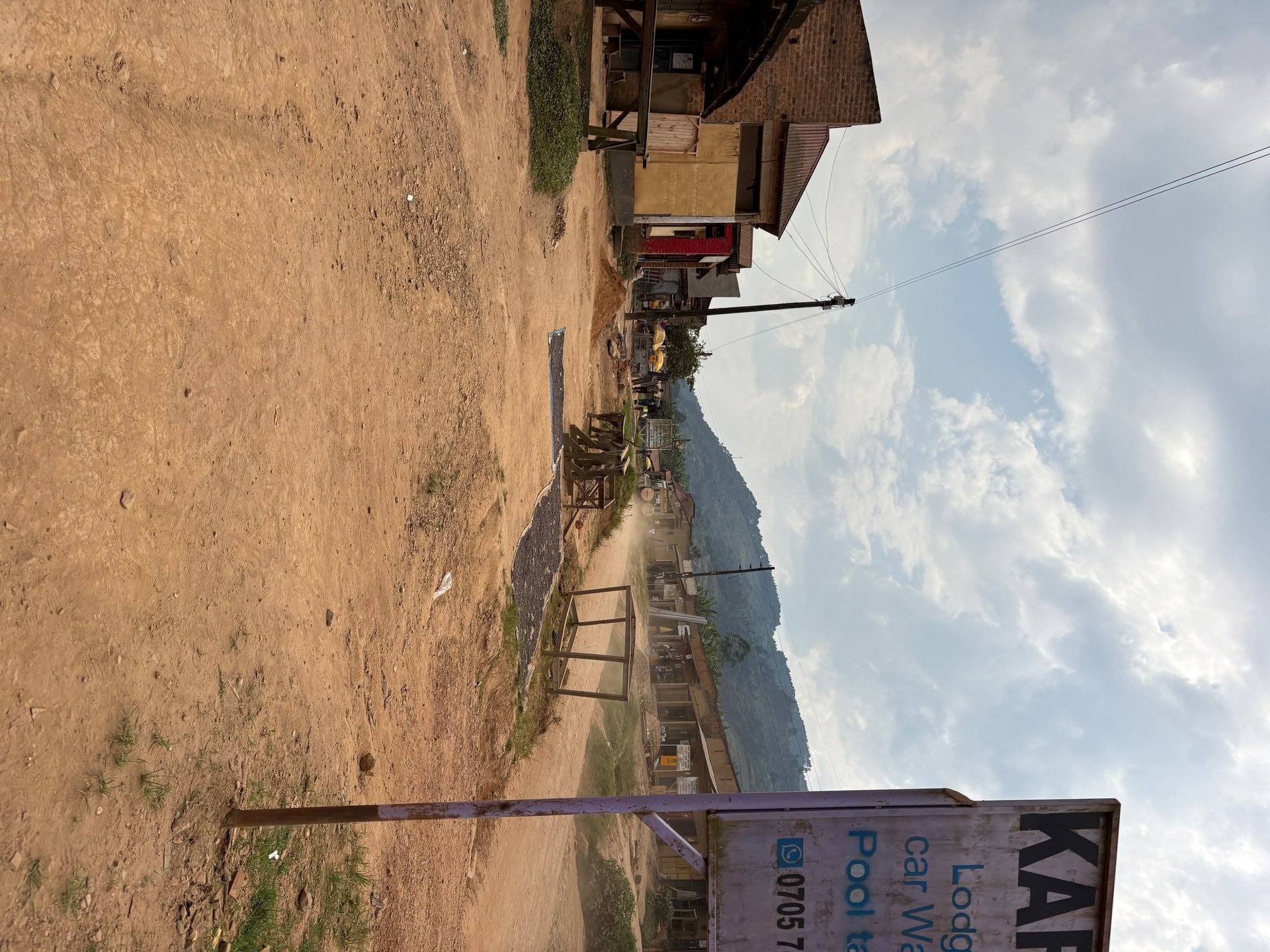
Local guides, craft sellers, food suppliers, and transport providers all benefit from the visitor economy. Farmers who supply fresh vegetables, eggs, and fruit to lodges earn reliable income. Women's cooperatives that produce baskets, bags, and weavings for sale to tourists gain financial independence. Boda-boda (motorcycle taxi) riders earn fares shuttling guests and supplies.
The cumulative effect is an economic ecosystem where tourism income circulates through the village multiple times, supporting a far wider population than the direct employees of the industry.
The Batwa: An Unfinished Story
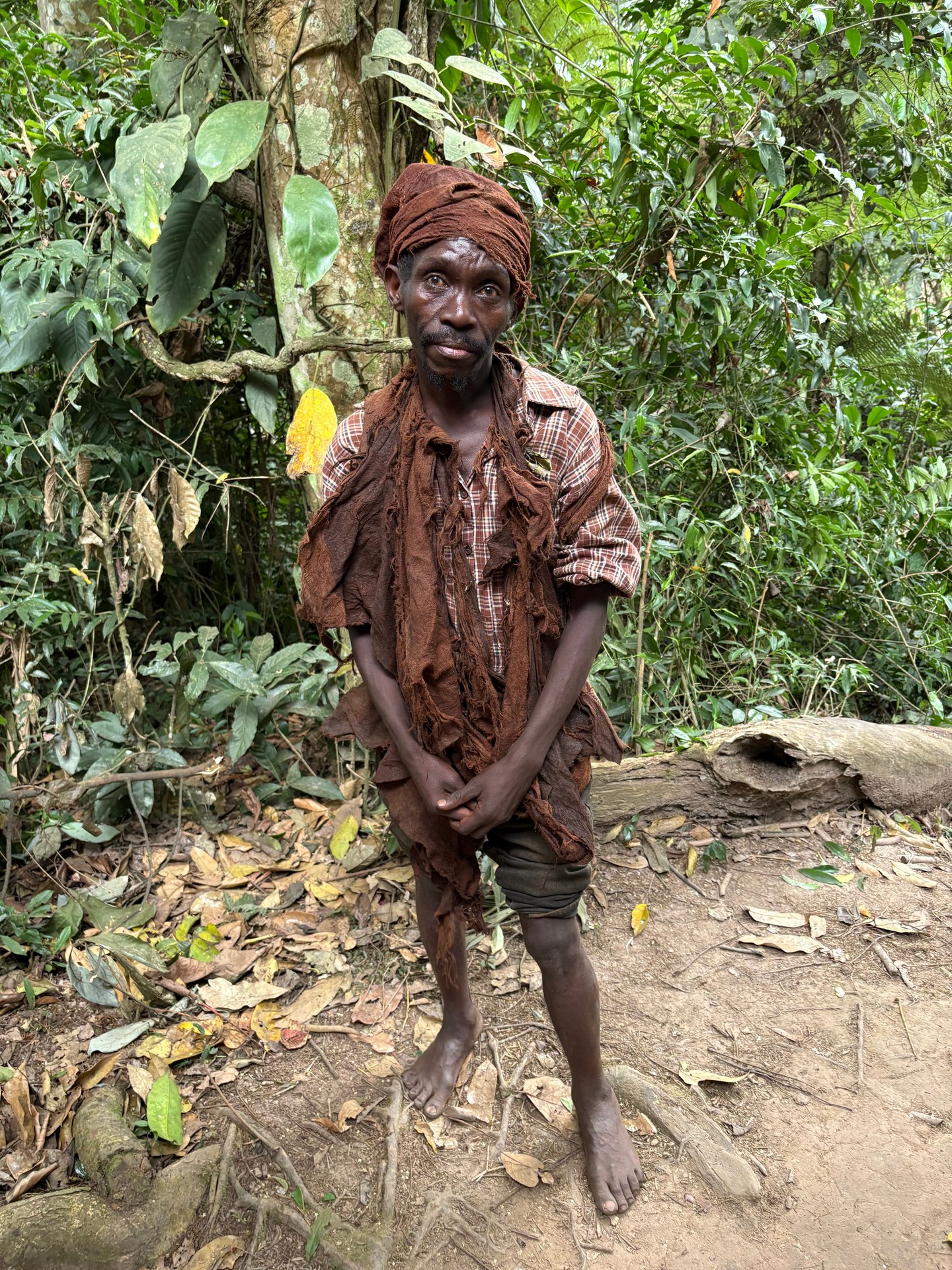
No honest account of conservation in the Buhoma area can avoid the Batwa story. The Batwa are the original inhabitants of the Bwindi forest, hunter-gatherers who lived sustainably within it for thousands of years. When the national park was gazetted in 1991, the Batwa were evicted without consultation, compensation, or alternative livelihood plans.
The consequences were devastating. Stripped of their forest homeland, the Batwa found themselves landless, skill-less in the agricultural economy around them, and deeply marginalized. Many families descended into extreme poverty. Children were denied education. Health outcomes were dire. A people with one of the world's longest continuous cultural traditions faced the real possibility of complete social disintegration.
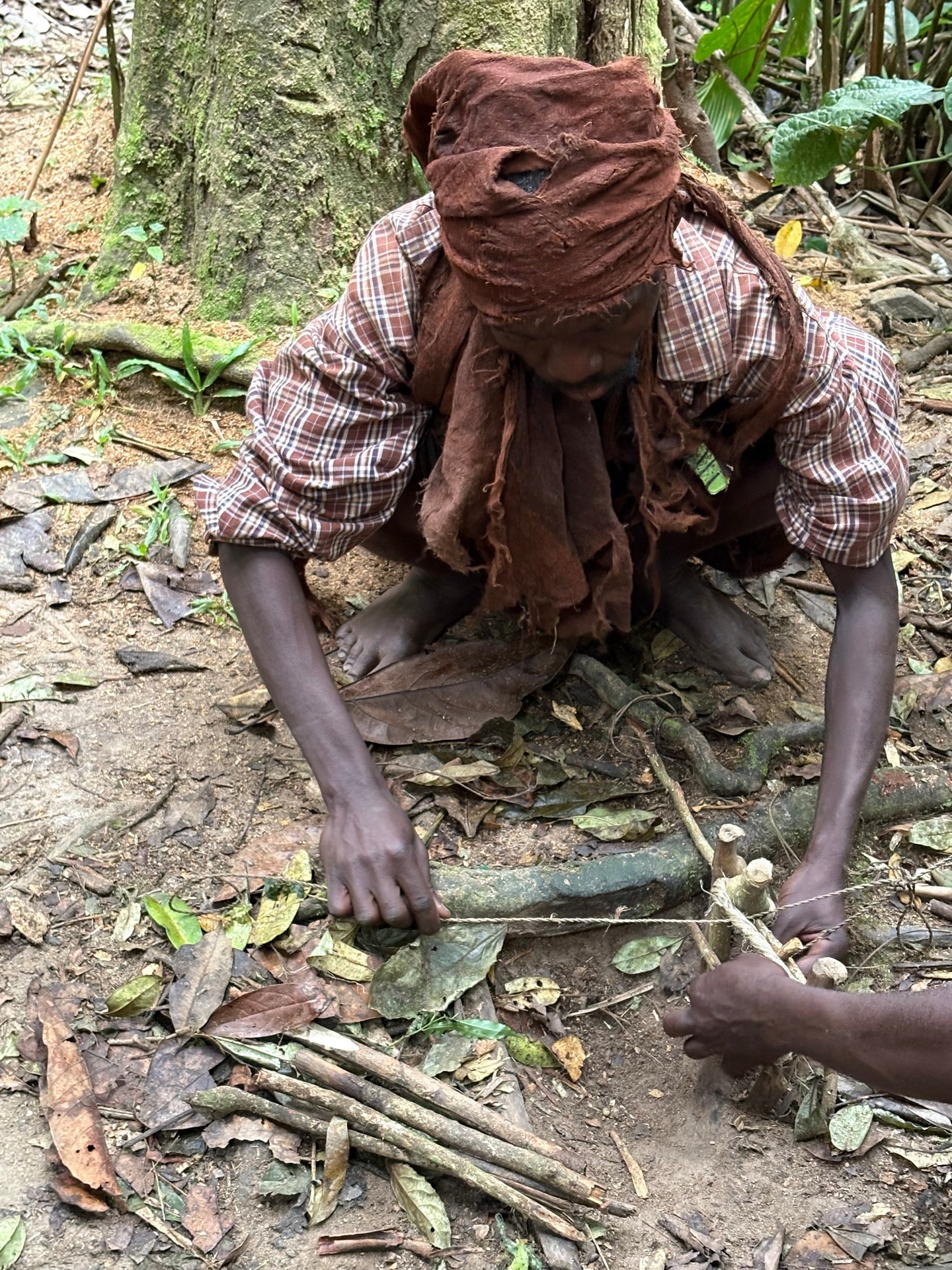
Today, the situation is slowly improving, though much remains to be done. The Batwa Trail cultural tourism experience generates direct income for Batwa families and preserves traditional knowledge. Several NGOs provide educational scholarships for Batwa children, support land acquisition, and fund health programs. Some lodges actively employ Batwa community members.
Visitors who participate in the Batwa Trail or contribute to Batwa-supporting organizations are engaging with one of the most important and difficult dimensions of conservation in this region. The Batwa remind us that conservation must be just as well as effective — and that the full cost of protecting a forest should not fall on its most vulnerable inhabitants.
Managing Human-Wildlife Conflict
Living next to a national park brings unique challenges. Crop-raiding by animals from the park — particularly gorillas, forest elephants, and baboons — is a constant source of tension. A single gorilla visit to a banana plantation can destroy a family's food supply for months. Elephants can devastate an entire field in a night.
Multiple strategies are used to manage this conflict. Buffer zone planting along the park boundary uses tea, eucalyptus, and other crops that wildlife finds unpalatable, creating a natural deterrent zone. UWA employs problem animal response teams that can be called when animals enter farmland — they use noise and non-lethal methods to drive animals back into the forest.
Community conservation rangers, recruited from local villages, patrol the park boundary and serve as a bridge between UWA and the community. They report animal movements, help mediate conflicts, and educate neighbors about coexistence strategies. Some communities have also adopted beehive fences — suspended beehives along field perimeters that deter elephants while producing honey as an added income source.
Human-wildlife conflict remains the single biggest source of friction between communities and the park. Addressing it effectively — through compensation, prevention, and above all by ensuring that the economic benefits of conservation outweigh the costs — is essential to the long-term success of the Bwindi model.
Environmental Stewardship and Sustainability
Conservation in the Buhoma area extends beyond gorilla protection to broader environmental stewardship. The surrounding landscape faces pressures from population growth, intensive farming on steep slopes, soil erosion, and limited waste management infrastructure. Climate change adds another layer of uncertainty, with shifting rainfall patterns affecting both farming and forest ecology.
Several initiatives address these challenges. Tree planting programs encourage farmers to maintain woodlots for fuel and timber, reducing pressure on the national park boundary. Soil and water conservation training helps farmers manage steep-slope agriculture sustainably. Some lodges have implemented comprehensive waste management, composting, and recycling systems.
Solar energy is increasingly adopted by both lodges and households, reducing dependence on firewood and diesel generators. Rainwater harvesting and gravity-flow water systems reduce pressure on natural water sources. School environmental education programs aim to raise a generation that understands the value of the forest not just economically but ecologically.
How Visitors Contribute
Every visitor to Buhoma is, whether they realize it or not, a participant in the conservation model. Your gorilla trekking permit fee funds UWA park management, ranger patrols, gorilla veterinary care, and community revenue sharing. But the impact extends far beyond the permit.
Ways to Maximize Your Positive Impact
- 1.Hire a local porter during gorilla trekking — the fee is modest ($15 to $20) and provides crucial income to community members.
- 2.Book community walks and Batwa Trail experiences — fees go directly to community groups and the Batwa.
- 3.Buy crafts from community cooperatives rather than middlemen — the full price reaches the artisans.
- 4.Eat at local restaurants and purchase snacks from village shops — small spending adds up.
- 5.Choose lodges with strong community commitments — ask about local employment, community projects, and environmental practices.
- 6.Tip fairly — guides, porters, and lodge staff rely on gratuities to supplement modest base wages.
- 7.Respect the rules — maintaining distance from gorillas, staying on trails, and carrying out all waste protects the environment for future visitors.
The Bigger Picture: A Model for Conservation
The Buhoma-Bwindi conservation model is studied and cited worldwide as an example of how tourism-funded community conservation can work. The core insight — that people will protect what benefits them — sounds obvious, but implementing it required decades of patient work, trial and error, and genuine partnership between government, communities, conservation organizations, and the tourism industry. Uganda as a whole has twelve national parks and three active game reserves offering tourism products including gorilla tracking, nature walks, and bird watching — and Buhoma remains the destination that put this model on the global map.
The model is not perfect. Revenue sharing could be more generous. The Batwa have not received the justice they deserve. Human-wildlife conflict persists. Climate change poses new threats. And the COVID-19 pandemic revealed the fragility of an economy dependent on international travel. But the trajectory is clear and positive: gorilla numbers are up, forest cover is stable, community wellbeing has improved, and the partnership between people and park grows stronger with each passing year.
When you visit Buhoma and trek through the forest to sit with a family of mountain gorillas, you are participating in one of conservation's greatest success stories. Your presence, your permit fee, and your spending in the village all contribute to a system that keeps the gorillas safe and gives the community reason to celebrate rather than resent the forest next door.
Learn more about the history of Buhoma and how this remarkable place came to be.
Frequently Asked Questions
Explore More
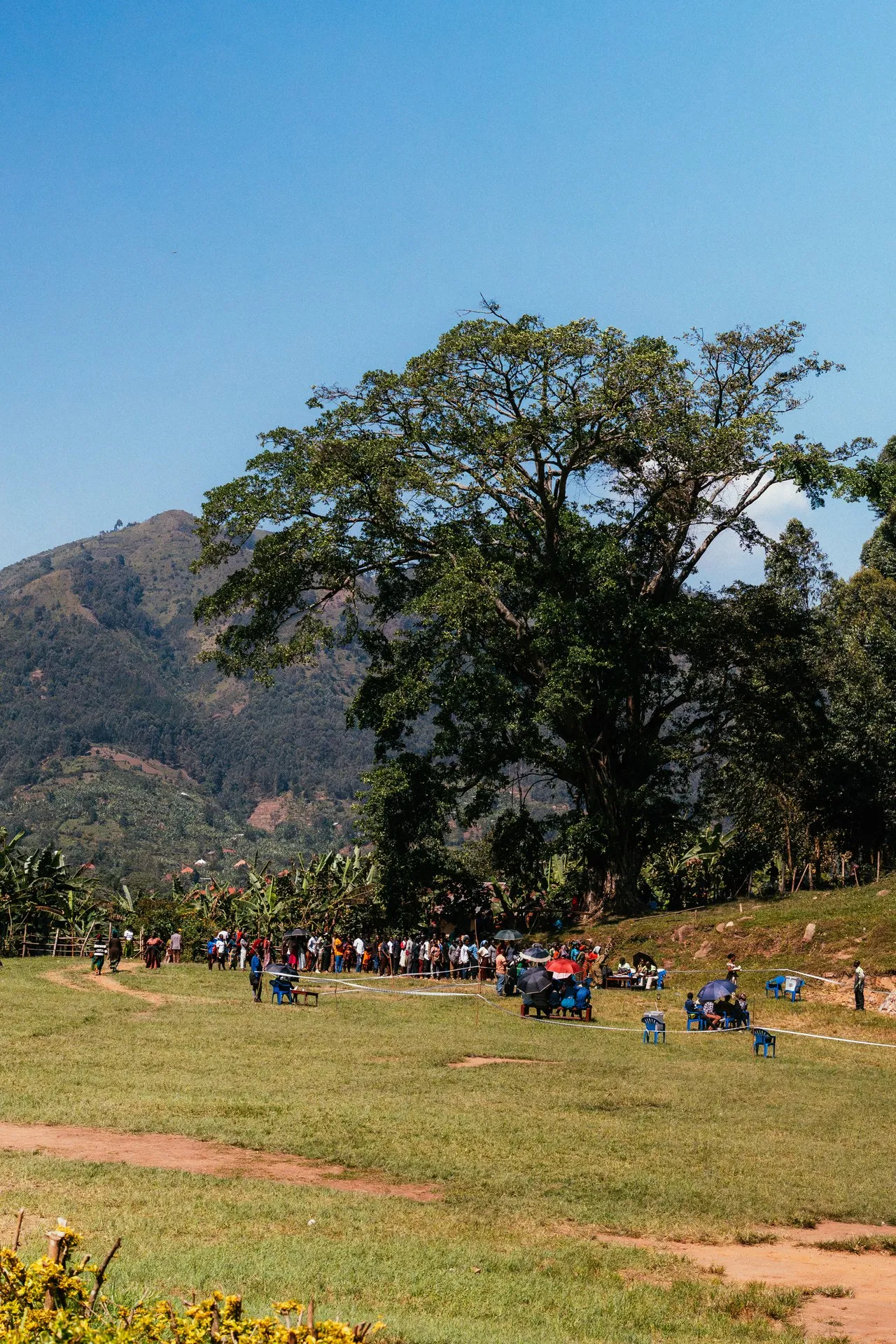
About Buhoma
The village, its people, daily life, and what makes Buhoma special.
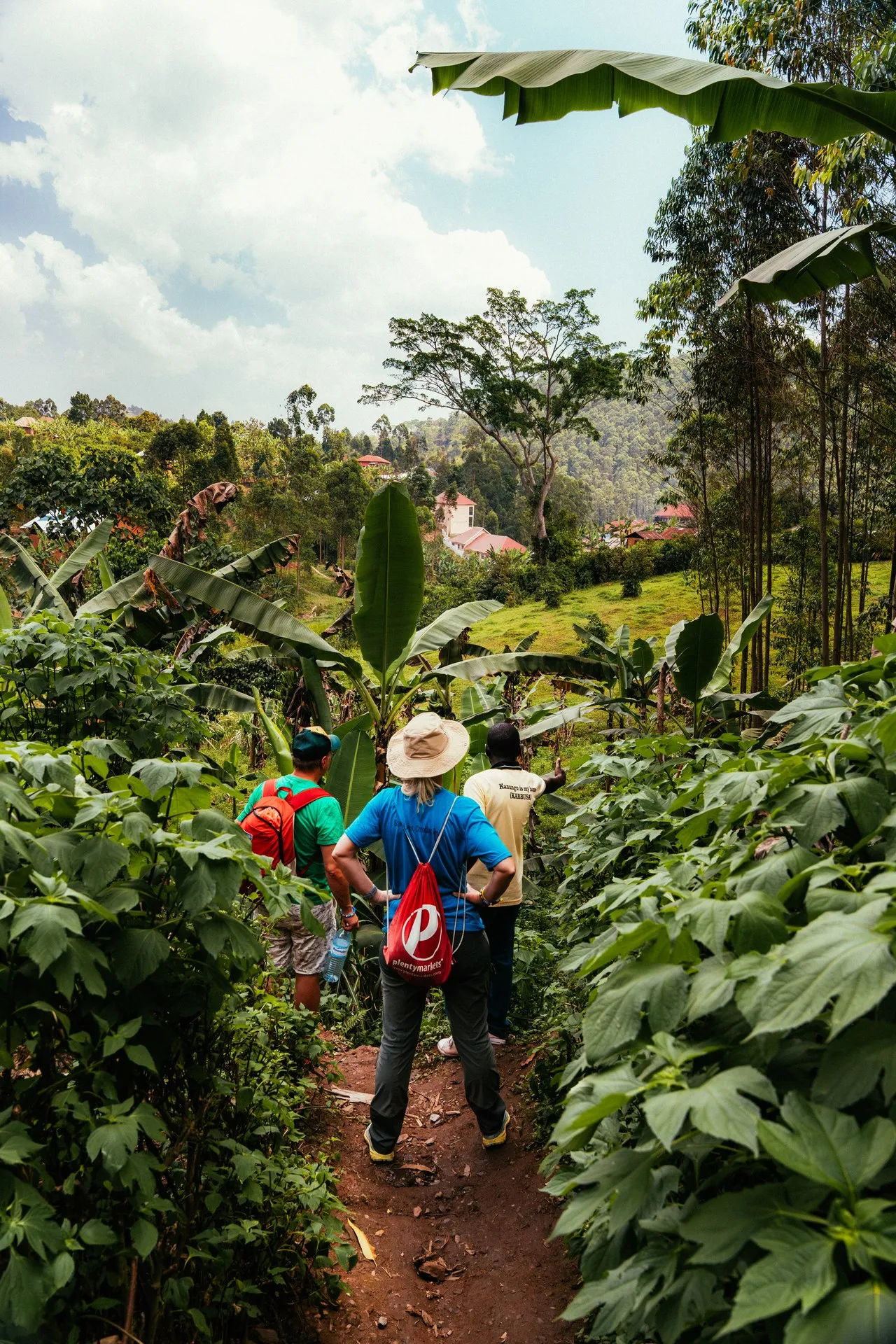
History of Buhoma
From ancient forest dwellers to the birth of gorilla tourism.
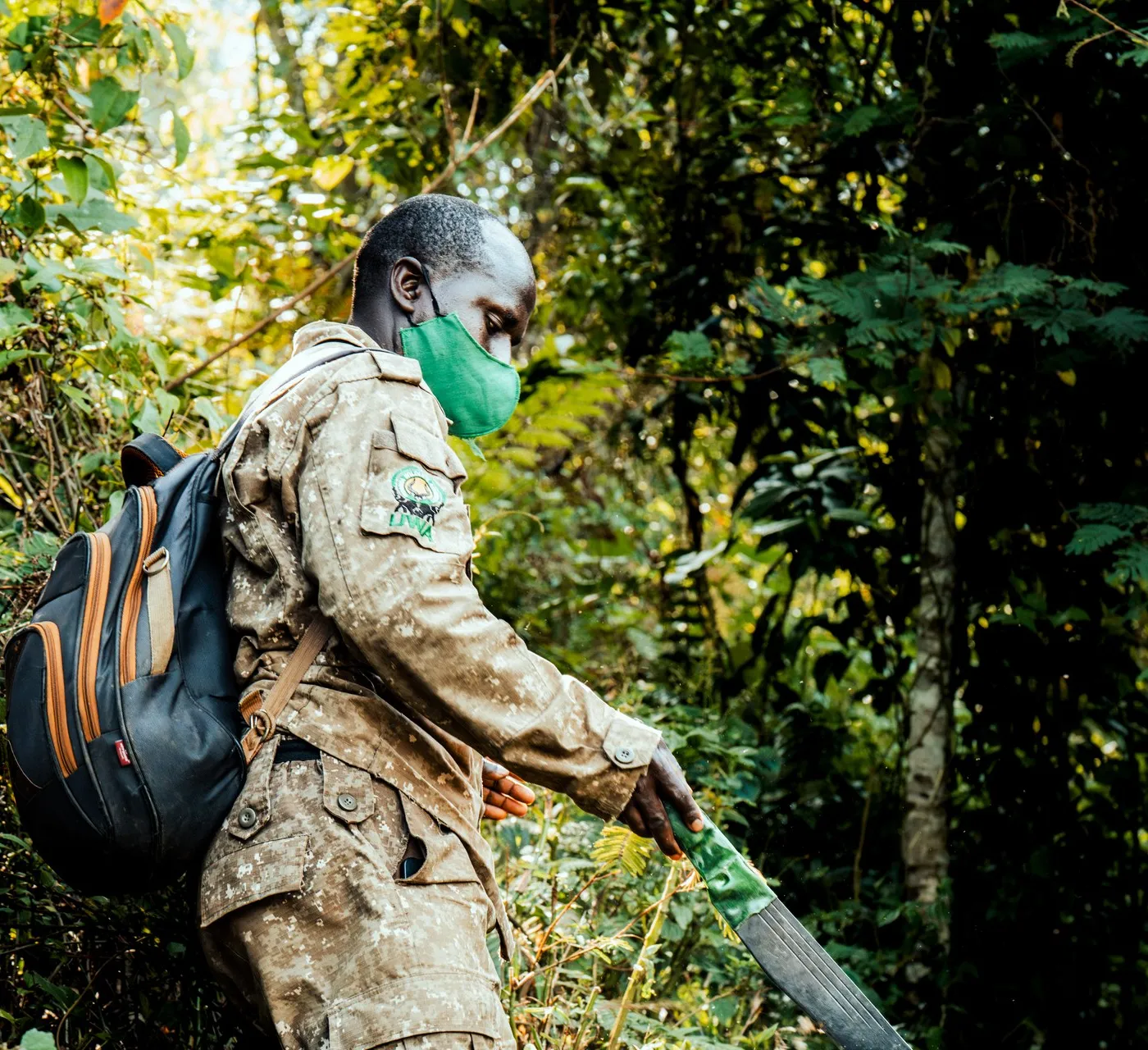
Tourism in Buhoma
Gorilla trekking, community walks, birdwatching, and more.
Gorilla Trekking
Complete guide to tracking mountain gorillas from Buhoma.
Things to Do
Activities and experiences beyond gorilla trekking.
Wildlife of Bwindi
Gorillas, primates, birds, and the biodiversity of the forest.
Community Benefit Sharing
How gorilla permit revenue flows from the park gate to local families, Batwa communities, and the organizations that connect them.
Human-Wildlife Conflict
Crop-raiding gorillas, buffer zones, and the community programs reducing conflict at Bwindi's boundaries.
Rural Tourism and Entrepreneurship
How small businesses and community enterprises grow around gorilla tourism in Buhoma.