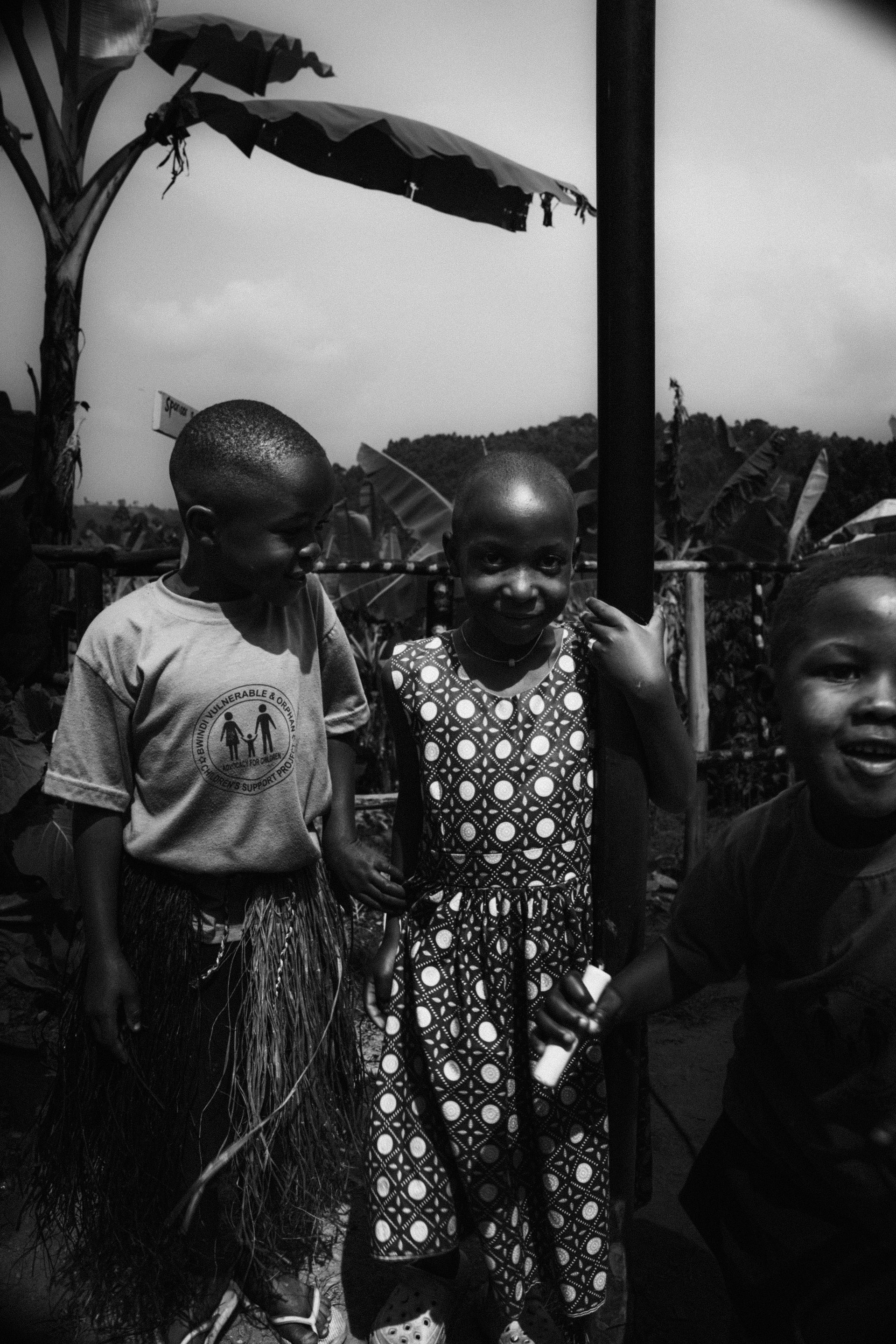
The short version: The 2018 Ebola outbreak in the Democratic Republic of Congo sent international travel advisories cascading across the region. Although Uganda itself was not the epicentre, gorilla permit bookings at Bwindi Impenetrable National Park — including the Buhoma sector — collapsed. Lodges closed rooms, guides lost income, and community programs stalled. The crisis revealed how tightly the fate of a remote village is tied to global news cycles, and how resilient Buhoma's people proved to be.
Quick Facts
- Event:
- North Kivu / Ituri Ebola outbreak, DRC, 2018–2020
- Impact on Uganda:
- Travel advisories, booking cancellations, permit revenue drop
- Buhoma sector:
- Northern gateway to Bwindi, established gorilla trekking hub since the 1990s
- Gorilla permit price:
- USD 800 per person (standard); USD 1,500 (Gorilla Habituation Experience)
- Recovery:
- Tourism rebounded from 2021, though COVID-19 caused a separate, longer closure in 2020
- Author visits:
- October 2024 and January 2026 — GPS-verified, on-site photography
Bwindi and Buhoma: A Tourism Economy Built on One Animal
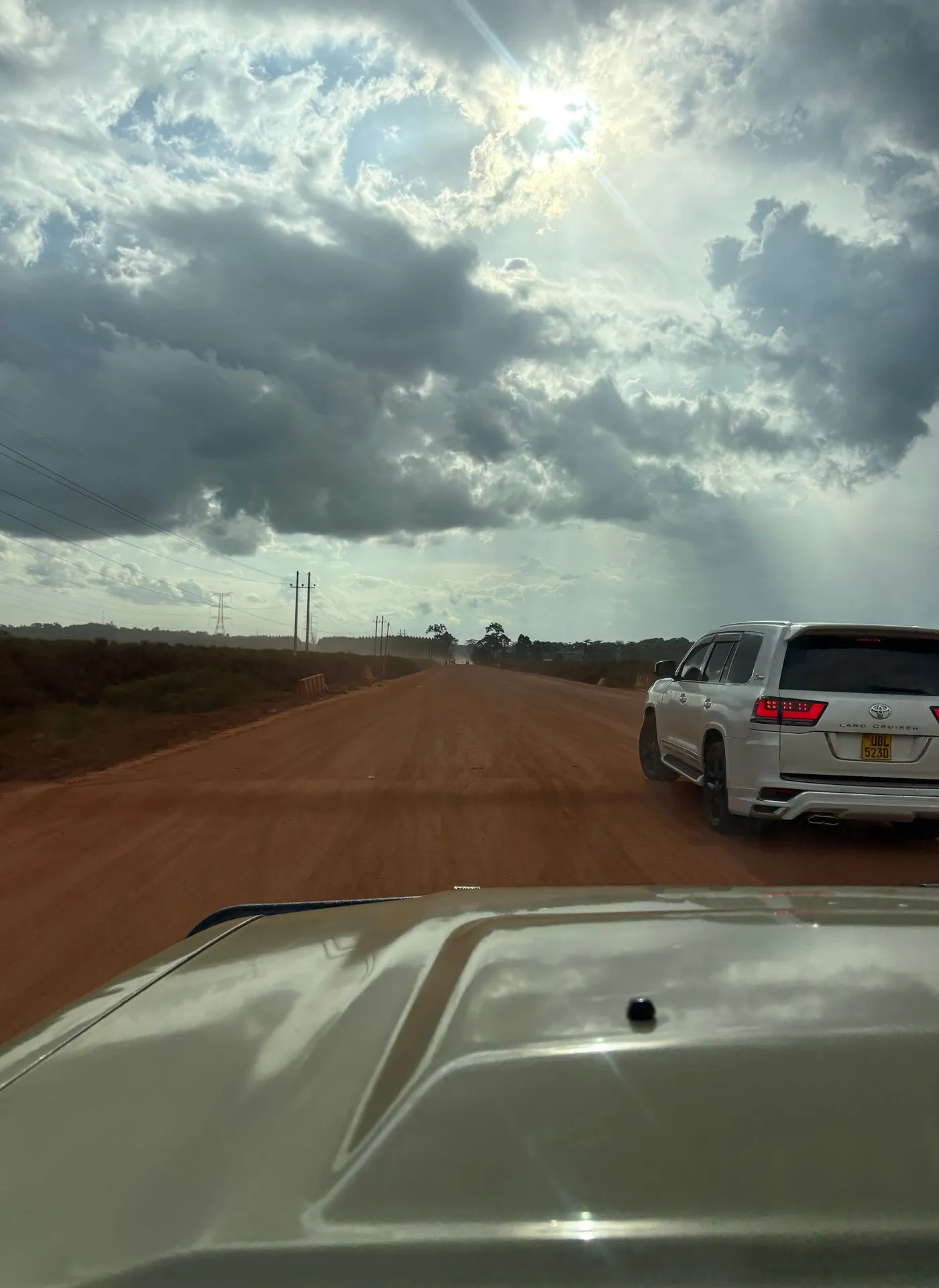
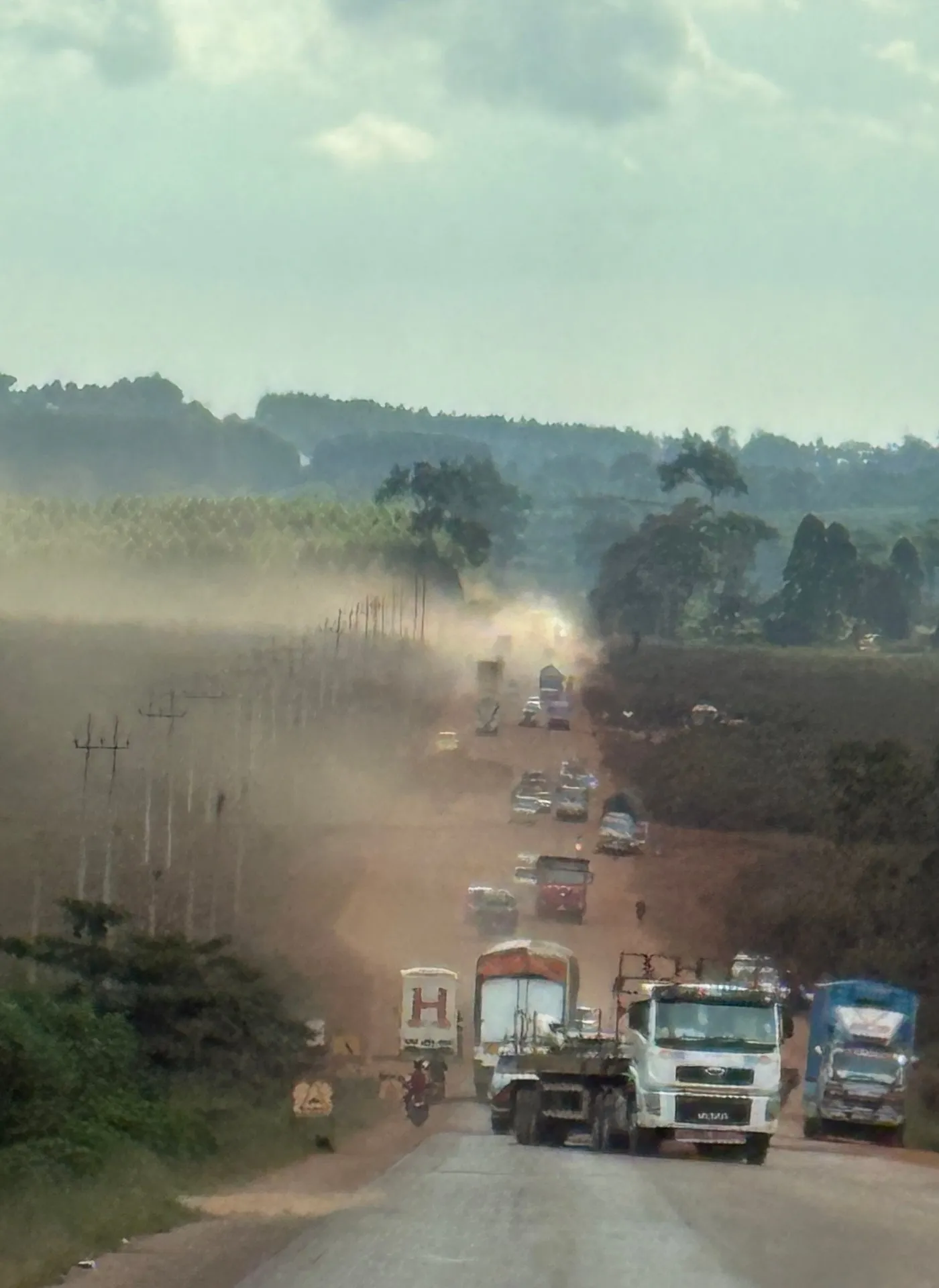
The first time you drive the Masaka Highway toward southwestern Uganda, the road teaches you patience before it teaches you anything else. In January 2026, our driver navigated a long stretch of red dust that stretched arrow-straight through flat green countryside at GPS coordinates 0.1019°N, 32.1645°E. Sunlight broke in shafts through the clouds — the kind of sky that makes you stop talking and just watch. The highway was partly under rehabilitation, a project long in planning and finally moving. It is a long road, and it takes a while.
That journey is the same route thousands of gorilla trekkers have taken toward Bwindi Impenetrable National Park. It is also the route that sat nearly empty in 2018, when an Ebola outbreak on the other side of Uganda's western border froze international travel to the entire region.
Bwindi Impenetrable National Park sits in the Kigezi Highlands of southwestern Uganda, a landscape of ancient forest, mist, and steep ridges descending toward the Albertine Rift. Mountain gorillas move through densely tangled vegetation that barely admits light at ground level. These gorillas — and the globally unique experience of tracking them on foot — are the sole reason most international visitors come to this corner of Uganda.
Buhoma, a village on the northern boundary of the park, is the oldest and most established trekking sector. Gorilla groups have been habituated there since the early 1990s, and the community has built an entire economy around the flow of visitors: lodges from simple bandas to high-end tented camps, restaurants, craft markets, guide associations, and the Uganda Wildlife Authority ranger station that controls daily permit allocations.
A single gorilla trekking permit costs USD 800 per person for standard tracking, or USD 1,500 for the Gorilla Habituation Experience. Eight visitors are permitted per gorilla group per day. The arithmetic is deliberate: exclusivity funds conservation, and a revenue share between Uganda Wildlife Authority and local communities gives Buhoma residents a direct financial interest in the forest's survival. When permits sell, the community earns. When permits go unsold, the silence runs deeper than empty lodges.
This model works during normal years. It is acutely fragile during a crisis.
The 2018 Outbreak and Its Reach Across the Border
The outbreak that struck the North Kivu and Ituri provinces of the Democratic Republic of Congo in August 2018 became the second-largest Ebola epidemic in recorded history. It unfolded in a region of active armed conflict, complicating response efforts and drawing months of sustained international attention. The epicentre was less than a hundred kilometres from Uganda's western border — a geographic proximity that international travel advisories treated as essentially synonymous with risk, regardless of Uganda's separate health infrastructure and surveillance systems.
Uganda had border health protocols and screening in place. A narrow, confirmed spillover occurred in June 2019, when three members of a Congolese family crossed into Uganda; the cases were contained within days and did not spread. Uganda's public health system, tested during previous outbreaks, responded swiftly. From a medical standpoint, the Ugandan interior — and Bwindi, hours from the border — was not part of the outbreak.
From the standpoint of international tourism booking behaviour, none of that nuance mattered. Travel advisories from multiple Western governments were updated to recommend against non-essential travel to parts of Uganda. Tour operators, working with clients holding travel insurance requiring government clearance, began processing cancellations. Bwindi permits, which must be booked months in advance and paid in full, generate income long before the trekking date arrives. When those bookings collapsed, lodges in Buhoma felt the contraction immediately.
What the Crisis Meant for Buhoma's Community
To understand the stakes, consider what the gorilla tourism economy actually supports in Buhoma. The lodges are the visible surface. Below them: ranger wages supplemented by tip income, local produce purchased daily by lodge kitchens, craft sellers dependent on visitor foot traffic, porters who carry trekkers' bags up steep forest trails, and community programs financed by permit revenues — school construction, water access, and healthcare initiatives.
All of those income streams trace back to whether foreign visitors show up with permits and pack lists and the willingness to pay. When bookings collapsed in 2018, the effect was not abstract. Porters had less work. Lodge kitchens bought fewer vegetables. Guides took fewer groups. The word that recurs when people who lived through that period describe it is "silence" — not just on the trails, but in the economic rhythm of the village.
This dynamic plays out at every Bwindi sector — Rushaga, Ruhija, Nkuringo — and at Mgahinga Gorilla National Park to the south. Any event that triggers international travel advisories touching Uganda activates the same cancellation cascade. Ebola 2018 was the most dramatic recent example before COVID-19 reset the entire baseline.
What made Buhoma's situation distinctive was the community's long exposure to the cycle. The village had weathered earlier disruptions — regional instability in the 1990s, the 1999 attack on foreign tourists in the park by armed insurgents crossing from DRC, and the slow recovery that followed. That history bred a pragmatism among people who built their livelihoods around an industry that is always one news cycle away from disruption.
Tourism, Conservation, and the Single-Species Dependency
Gorilla tourism is not simply a revenue line on a ministry spreadsheet. It is the primary economic justification for maintaining large tracts of protected forest that would otherwise face pressure from agriculture, charcoal production, and settlement. The connection is direct: communities that benefit from tourism revenue show demonstrably lower rates of illegal encroachment on park boundaries.
Uganda Wildlife Authority generated substantial foreign exchange earnings from park entry fees and permit sales in the years before 2018, with Bwindi contributing a significant share. When Ebola disrupted visitor flows, the loss reached beyond Buhoma's guesthouses into the operational budget for anti-poaching patrols, the gorilla health monitoring programme, and the trust-building work between rangers and border communities that is the invisible infrastructure of conservation.
What the 2018 crisis exposed clearly was the danger of single-species, single-experience dependency. Bwindi's attraction is so concentrated around mountain gorillas that it has almost no tourism buffer if gorilla trekking becomes unavailable or unattractive. Other Uganda parks offer more varied wildlife and broader activity menus. Bwindi's extraordinary depth of experience in one domain is also its structural vulnerability.
Uganda's tourism sector as a whole contributes meaningfully to GDP and employs hundreds of thousands directly and indirectly. A prolonged shock to that sector propagates far beyond the lodges and permit offices of any single national park. The 2018 crisis demonstrated this clearly; COVID-19 confirmed it on a larger scale two years later.
Recovery, Lessons, and What It Means for Visitors Today
The DRC Ebola outbreak was declared over in June 2020 — just as COVID-19 closed Uganda's borders entirely. In that sequence, Buhoma experienced two crises back to back with only the briefest interlude. Any clean accounting of the Ebola period's economic impact is therefore difficult to isolate. What emerged from both crises was a clearer set of practices around crisis communication: Uganda Wildlife Authority and the Uganda Tourism Board developed more detailed protocols for explaining risk differentiation to international markets — the difference between a health event at Uganda's border and one within Uganda's tourism zones.
For visitors planning gorilla trekking today, the 2018 experience carries practical lessons. Booking directly with reputable Ugandan operators rather than international intermediaries often provides more nuanced risk assessment and more flexible cancellation terms during regional health events. Travel insurance is worth reading carefully: the specific wording around "travel warning" versus "do not travel" categories can mean the difference between a full refund and a dispute.
When I drove the Masaka Highway in January 2026, photographing that sun-lit dust road through the window at GPS 0.1019°N, 32.1645°E, the lodges at Buhoma were booked. The gorilla groups were receiving their permitted visitors each day. Porters were carrying bags up the same steep paths they carried bags on before 2018, before 2020, before all the crises that the village has absorbed and outlasted.
The road is being rehabilitated. The highway moves faster in sections now. Uganda does not stand still, even when the world outside it decides, briefly, to look away.