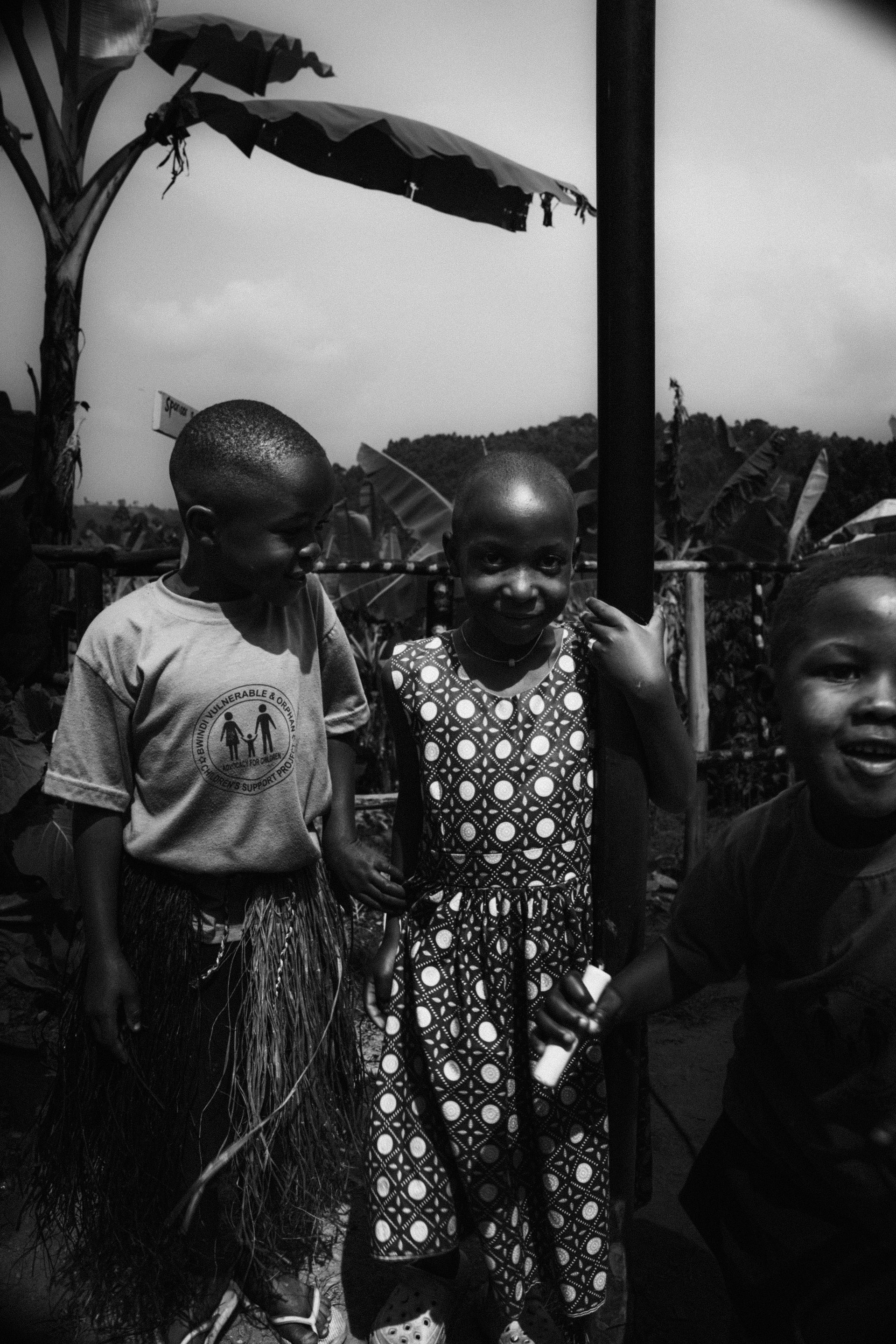
What a gorilla permit actually buys — from Buhoma's point of view
From a Buhoma resident's perspective, the gorilla trekking permit is the engine that makes most of the local economy run. The $800 fee goes to Uganda Wildlife Authority, which funds the park rangers, the anti-poaching operations, and the conservation infrastructure that protects the gorillas. A share of park entry revenue is returned to adjacent communities through UWA's revenue sharing scheme — funding classrooms, water sources, and health posts in villages like Buhoma.
But the more immediate economic impact is what happens after the permit is paid. The visitor arrives at Buhoma. They need transport from their vehicle to the lodge, or from the lodge to the park gate. They hire a guide. They buy water. They tip a porter. In the evening, they may buy a craft from the cooperative. The following day, they hire a BodaBoda for a community walk. Every one of these transactions stays in Buhoma.
Norman's business — the direct link between visitor and village
Norman Noel is a BodaBoda driver. His motorcycle is his business, his income, and his connection to the international visitors who pass through Buhoma on their way to the gorillas. He has met people from America, from Germany, from the United Kingdom — sitting on the back of his motorcycle, navigating the red laterite roads of the Bwindi highlands. Each ride is a direct financial transfer: international tourist money, delivered immediately to a local Buhoma family.
Norman's account of how tourism income reaches Buhoma families — recorded in June 2026 — will be added here in his own words.
What Norman earns in a week of good tourism does not stay in his pocket. It moves immediately back into the village economy. He fills up his motorcycle at the local fuel station. He eats at a food stall. He pays a mechanic when something needs fixing. He contributes to his household, to his children's school fees, to the savings group he belongs to. A single BodaBoda driver, in a single week, is a node in an economic network that extends further than any individual transaction suggests.
The fuel station — where the chain becomes visible
There is a fuel station on the main road through Buhoma. It is not an imposing structure. During our visits in January 2026, it was a simple setup on a sandy lot — one pump, no building, a shelter for the attendant. The customers are almost entirely BodaBoda riders. A rider fills up for roughly what a small meal costs. This is not a petrol station serving long-distance traffic. It is serving the local transport economy that tourism keeps running.
The fuel the station sells comes from a supplier further up the supply chain. The station owner employs an attendant. The BodaBoda drivers who fill up there go on to carry tourists or local passengers. Their earnings then cycle back into the village — food, school fees, mobile airtime, market purchases. The fuel station is three steps removed from the gorilla permit, but it exists in the form it does because of it.
When the chain breaks — the cost of a tourism gap
The reverse of this picture is equally clear. When tourism drops — during an Ebola scare, a political disruption, or a global pandemic — the chain breaks at every link. Norman has no customers, buys no fuel, visits no mechanic, spends less at the market. The fuel station operator sees fewer transactions. The market trader sees less cash. Emily's shop moves less stock.
This is not a structural weakness unique to Buhoma. It is the fundamental reality of any economy built around a single dominant industry. The difference in Buhoma is that the industry in question — gorilla trekking — is also one of the most powerful conservation tools in Africa. The economic dependency that makes downturns so damaging is the same force that gives Buhoma residents a direct material interest in protecting the forest and the gorillas it contains.
Norman understands this. His plan to expand from motorcycle to car — if he can access a driving licence and the capital for a vehicle — is not just personal ambition. It is the logic of a man who has watched the fragility of single-income dependency and is trying, by his own means, to build a wider base.
Community projects — tourism funding the future
The link between tourism and community investment is not only individual. In Buhoma, international visitors and their connections have funded projects that are reshaping the village's future. The HopeKitchen — a community kitchen being built in Buhoma — is one example: a project funded through connections made between the village and international supporters, mediated by the relationship that tourism created. By May 2026, the roof was going on: blue corrugated iron sheets being laid, the structure taking shape.
These projects represent a second-order tourism benefit — one that is less visible than a BodaBoda fare or a craft purchase, but no less real. Visitors who come for gorillas, stay long enough to understand the village, and return home with relationships and intentions that lead to support: this is how Buhoma is building infrastructure that will outlast any individual visit.
How to maximise local economic impact during your visit
- —Ask your lodge to arrange a BodaBoda from a named local driver — not a fleet vehicle from Kampala
- —Buy fresh produce and snacks from the village market, not only from lodge shops
- —Hire a trekking porter — the fee goes directly to a Buhoma family
- —Tip guides and porters in cash — they have no income on days without trekkers
- —Purchase crafts from the community cooperative rather than from resellers online
- —Extend your stay by one day and spend it in the village — not the park
A Week Without Tourists
Norman's account of a full week with no customers after an Ebola case was confirmed in Uganda
Norman — People of Buhoma
Norman Noel's full profile: BodaBoda driver, local guide, and entrepreneur building for the future
Gorilla Trekking Costs
Full cost breakdown for a Buhoma gorilla trek — permits, accommodation, guides, and what to budget
Social Projects in Buhoma
The HopeKitchen, community walks, and other projects connecting international visitors with Buhoma's future
Frequently Asked Questions
Last updated: September 2026