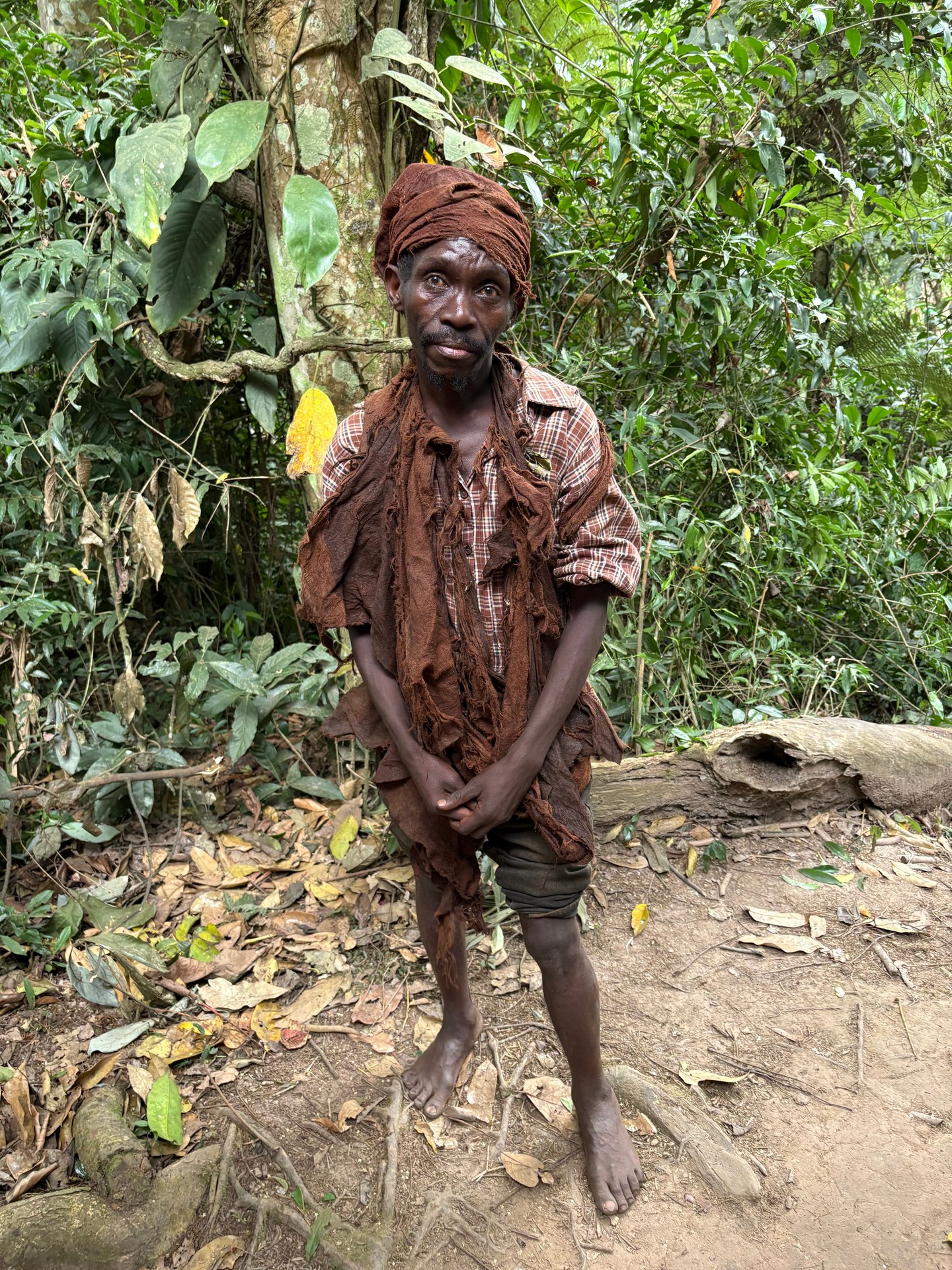
The Batwa Trail is a 3-4 hour cultural experience near Buhoma where indigenous Batwa guides lead visitors through the forest, demonstrating traditional skills such as fire-making, honey gathering, and medicinal plant knowledge. The Batwa are the original inhabitants of Bwindi forest, displaced when the park was established in 1991. The trail costs approximately $80 per person, with fees supporting Batwa education, housing, and livelihood programs.
Quick Facts
- Duration:
- 3-4 hours
- Cost:
- ~$80 per person
- Led By:
- Batwa community guides
- Difficulty:
- Easy to moderate forest walking
- Best Time:
- Morning or afternoon
- Booking:
- 1+ days ahead through your lodge
- Group Size:
- Small groups preferred
- Photography:
- Permitted and welcomed
The Original People of the Forest
The Batwa are among the oldest indigenous peoples in Africa. For thousands of years, they lived as hunter-gatherers in the equatorial forests of the Great Lakes region, spanning what is now Uganda, Rwanda, Burundi, and the Democratic Republic of Congo. In the Bwindi area, the Batwa were the first and longest inhabitants of the forest, living in small, mobile groups that moved through the forest following seasonal food sources.
The Batwa had an intimate, encyclopedic knowledge of the forest ecosystem. They could identify hundreds of plant species and their uses, track animals through dense undergrowth, locate wild honey in the highest canopy, and navigate the forest without trails. Their relationship with the forest was not merely practical but deeply spiritual. The forest was their home, their pharmacy, their temple, and their identity.
Importantly, the Batwa lived sustainably within the forest for millennia. Their hunting and gathering practices did not degrade the ecosystem. Ecologists have noted that the forests where the Batwa lived remained among the healthiest and most biodiverse in Africa, suggesting that their presence was compatible with, and possibly beneficial to, conservation.
Displacement and Its Consequences
In 1991, Bwindi Impenetrable Forest was designated a national park to protect the mountain gorillas and the broader ecosystem. While conservation of this globally important forest was essential, the process excluded the Batwa entirely. They were evicted from the forest without consultation, compensation, or alternative land. Overnight, the forest that had been their home for tens of thousands of years became a place they could no longer enter.
The impact was devastating. Stripped of their land and livelihood, the Batwa became squatters on the margins of farming communities with which they had limited social connections. They faced severe poverty, discrimination, loss of cultural identity, and health crises. Without the forest, many traditional skills began to fade as there was no context in which to practice them. The Batwa went from being self-sufficient forest dwellers to one of the most marginalized groups in Uganda.
This is an ongoing situation. While several organizations work to support the Batwa through education, land acquisition, and livelihood programs, the community continues to face significant challenges. Understanding this context is important for visitors participating in the Batwa Trail: you are not witnessing a historical curiosity but a living community navigating real and present difficulties.
The Trail Experience
The Batwa Trail was developed as a community-owned tourism initiative that gives the Batwa a dignified way to share their heritage while generating income. It is led entirely by Batwa community members who guide you through the forest, demonstrating the skills and knowledge that sustained their people for generations.
Forest Knowledge
Your Batwa guides lead you along forest trails, stopping to identify plants and explain their uses. Medicinal plants for treating fever, wounds, stomach ailments, and snakebites are pointed out. Your guide explains which bark can be used for cloth, which leaves for wrapping food, which roots for rope, and which fruits are edible. The depth of botanical knowledge is remarkable and represents an oral tradition passed down through countless generations.
Fire-Making
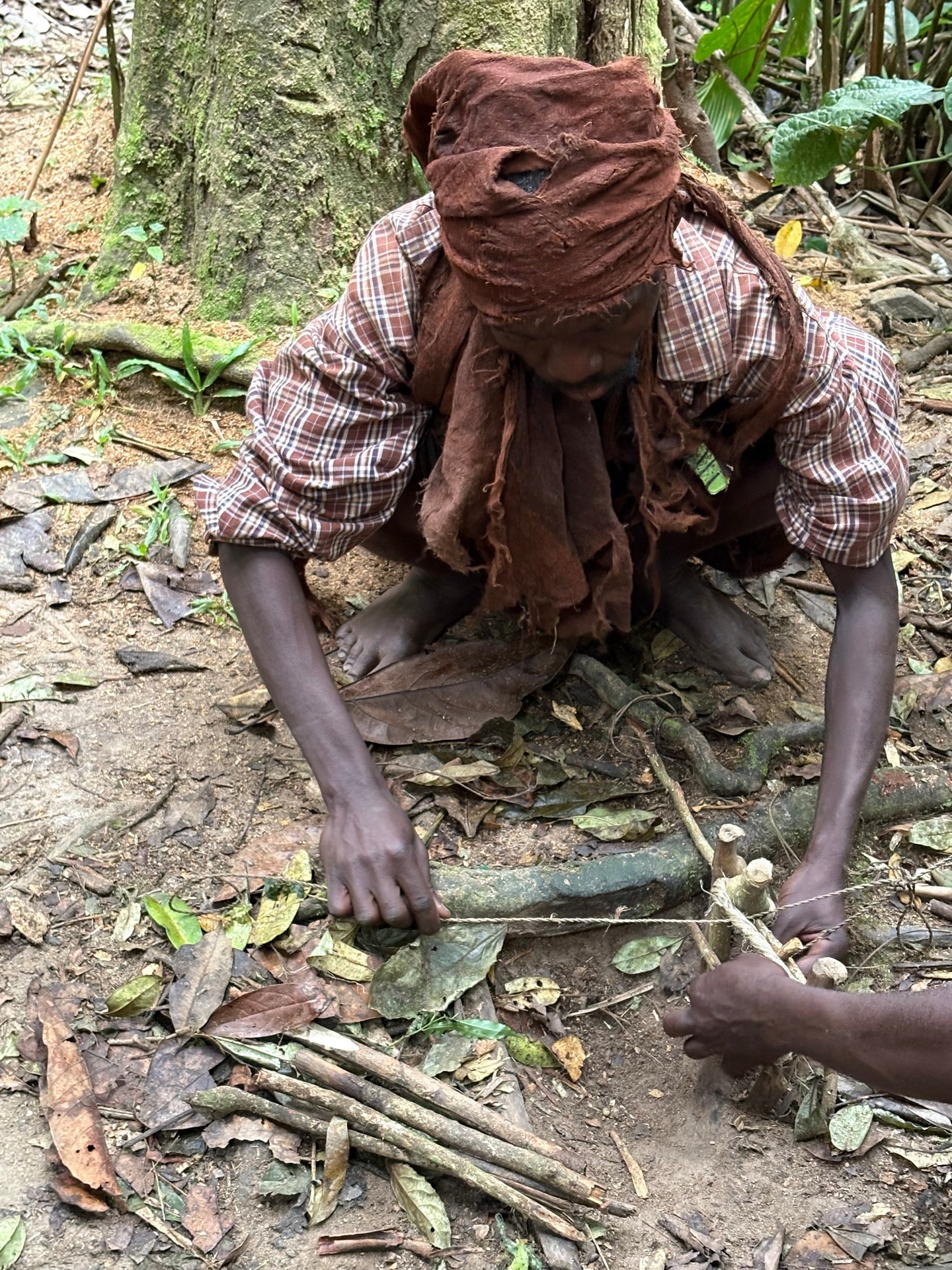
One of the most memorable demonstrations is traditional fire-making using friction. Using a hand drill method with carefully selected dry wood, a Batwa elder spins a stick rapidly between their palms against a notched base piece. Within minutes, a glowing ember appears, is transferred to dry tinder, and gently blown into flame. Visitors are often invited to try, discovering that this seemingly simple skill requires considerable technique and practice.
Honey Gathering
Wild honey was a prized food source for the Batwa and harvesting it required extraordinary skill and courage. Your guide demonstrates the technique of locating hives by following honeybees or honeyguide birds, climbing high into the canopy using vines, and using smoke to calm the bees before extracting the comb. While the full harvest is demonstrated in simplified form for safety, the explanation conveys the remarkable tree-climbing abilities of the Batwa.
Shelter Building
The Batwa traditionally built temporary shelters from bent saplings and large leaves, creating waterproof structures in a matter of hours. Your guides demonstrate how to select and bend the saplings, weave the frame, and layer leaves for waterproofing. These structures were home for days or weeks before the group moved on, leaving minimal trace in the forest.
Songs and Stories
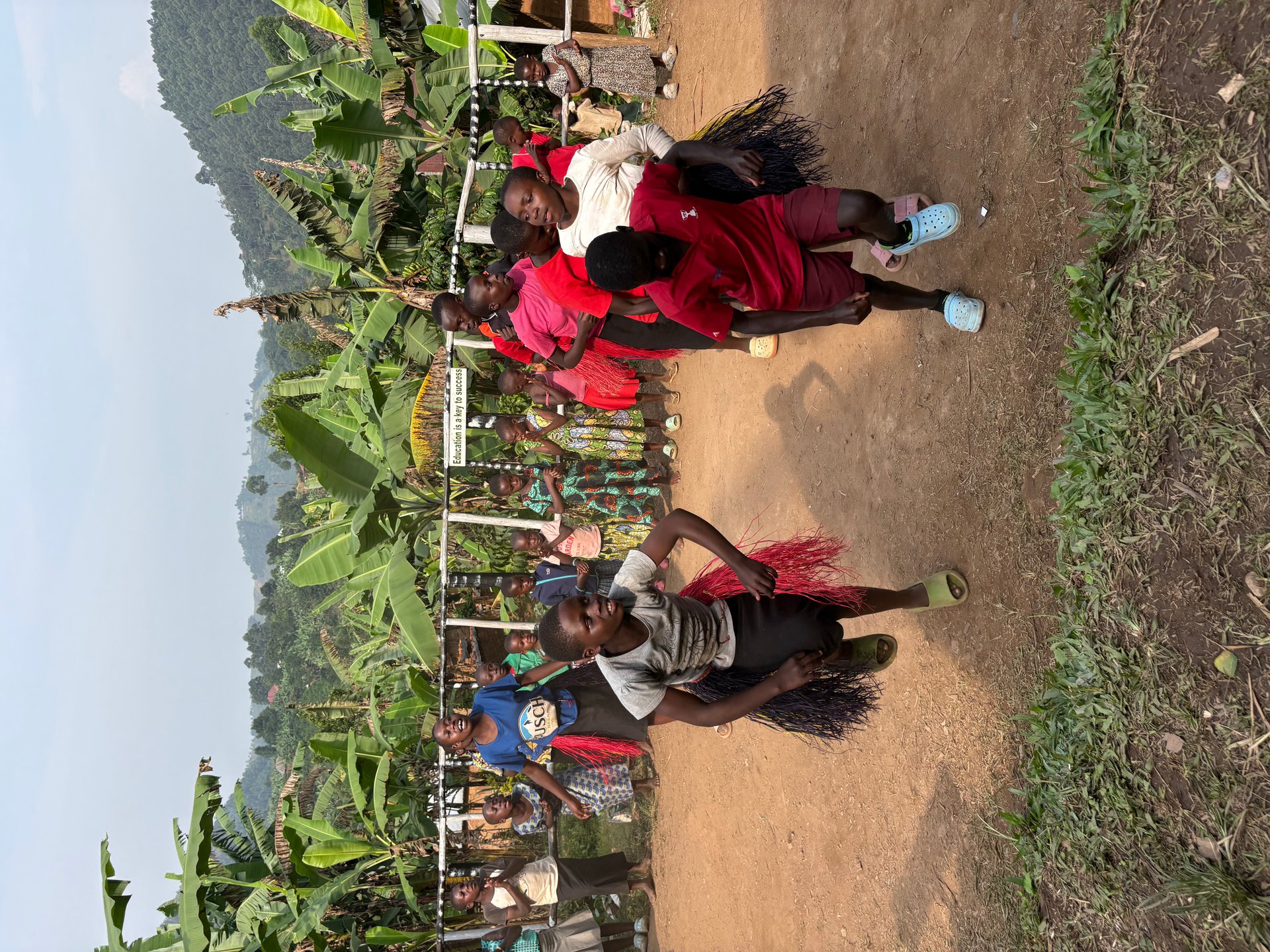
The trail includes traditional songs and storytelling. Batwa music features rhythmic singing, clapping, and sometimes simple instruments. The songs often relate to the forest, to hunting, to community bonds. The stories convey legends, moral teachings, and historical accounts passed down orally through generations. A translator helps visitors understand the content, though the emotional resonance often transcends language.
Walks You Can Combine with the Batwa Trail
The Batwa Trail departs from Buhoma and can be paired with several other named walks in the area. The Munyaga Waterfall Walk follows the Ivi-Nkuringo river to a 33-meter waterfall — a moderate half-day hike that showcases the same forest terrain the Batwa once called home. The Rushura Hill Walk (around 3 hours) climbs to viewpoints with panoramas of Virunga National Park across the Congo border, and on clear days extends to Lake Edward, Lake George, and the Rwenzori mountains. The Muzabajiro Loop (also about 3 hours) circuits through the surrounding hills and forest edges. Your lodge or the UWA office can arrange guides for any of these walks.
Visiting with Respect
The Batwa Trail is a meaningful experience that deserves a thoughtful approach. Here are ways to ensure your visit is respectful and beneficial:
- Listen more than you speak. The Batwa have a story to tell. The most valuable thing you can bring is genuine attention and interest.
- Avoid pity. The Batwa face real challenges, but they are not objects of charity. They are a resilient people sharing their culture with pride. Engage with them as equals.
- Ask before photographing individuals closely. General activity photos are usually welcome, but close portraits deserve a personal request.
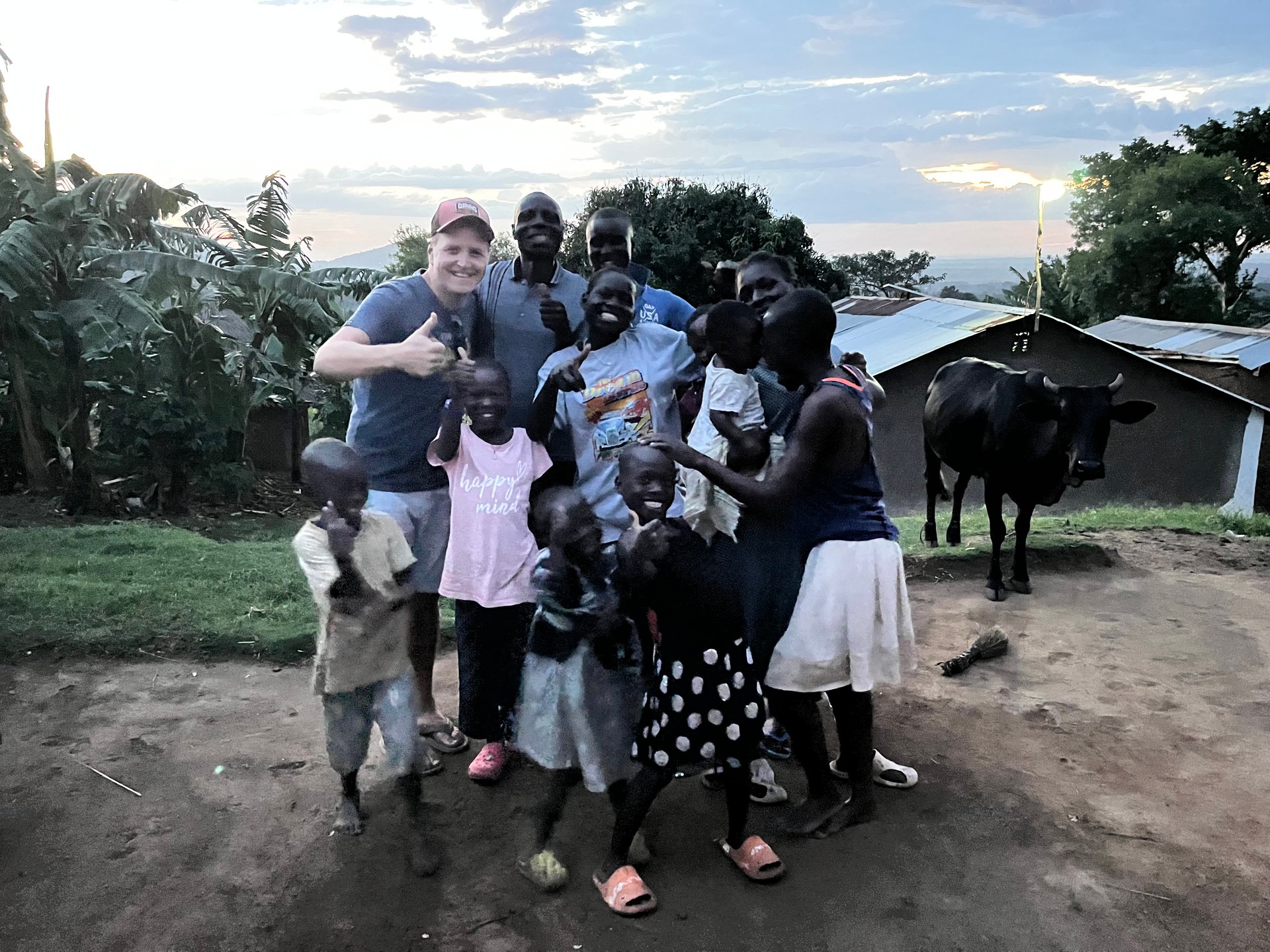
- Do not give gifts directly to children. If you want to contribute, ask your guide about the most helpful ways to support the community organization.
- Acknowledge the complexity. The Batwa Trail exists because of a real injustice. It is okay to feel conflicted. The Batwa themselves often express both pride in sharing their heritage and grief for what was lost.
- Share the story. One of the most valuable things visitors do is raise awareness about the Batwa's situation. Talk about your experience when you return home.
Supporting the Batwa Community
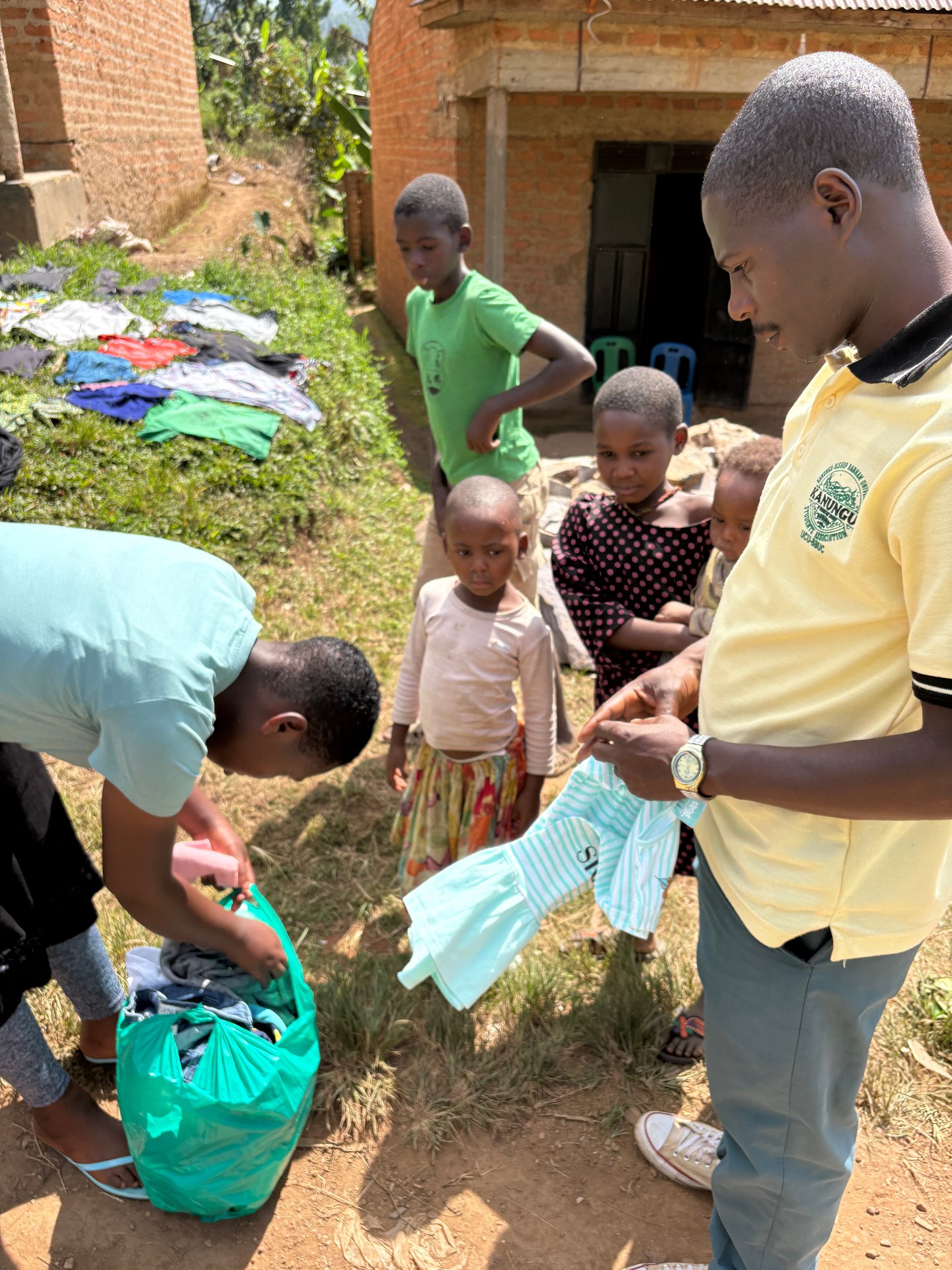
Tourism income from the Batwa Trail funds community development programs including education sponsorships for Batwa children, housing construction, health care access, and livelihood training. Several organizations work alongside the Batwa to advocate for land rights, cultural preservation, and economic integration.
The Batwa Development Program and similar organizations have made tangible progress: some Batwa families have gained land titles, children are attending school in growing numbers, and the trail itself provides regular employment and income. But the gap between the Batwa and surrounding communities remains wide, and sustained support is needed.
Your participation in the Batwa Trail is itself a form of support. The $80 fee contributes meaningfully to community resources. If you wish to do more, speak with your guide or lodge about current community projects and how to contribute directly.