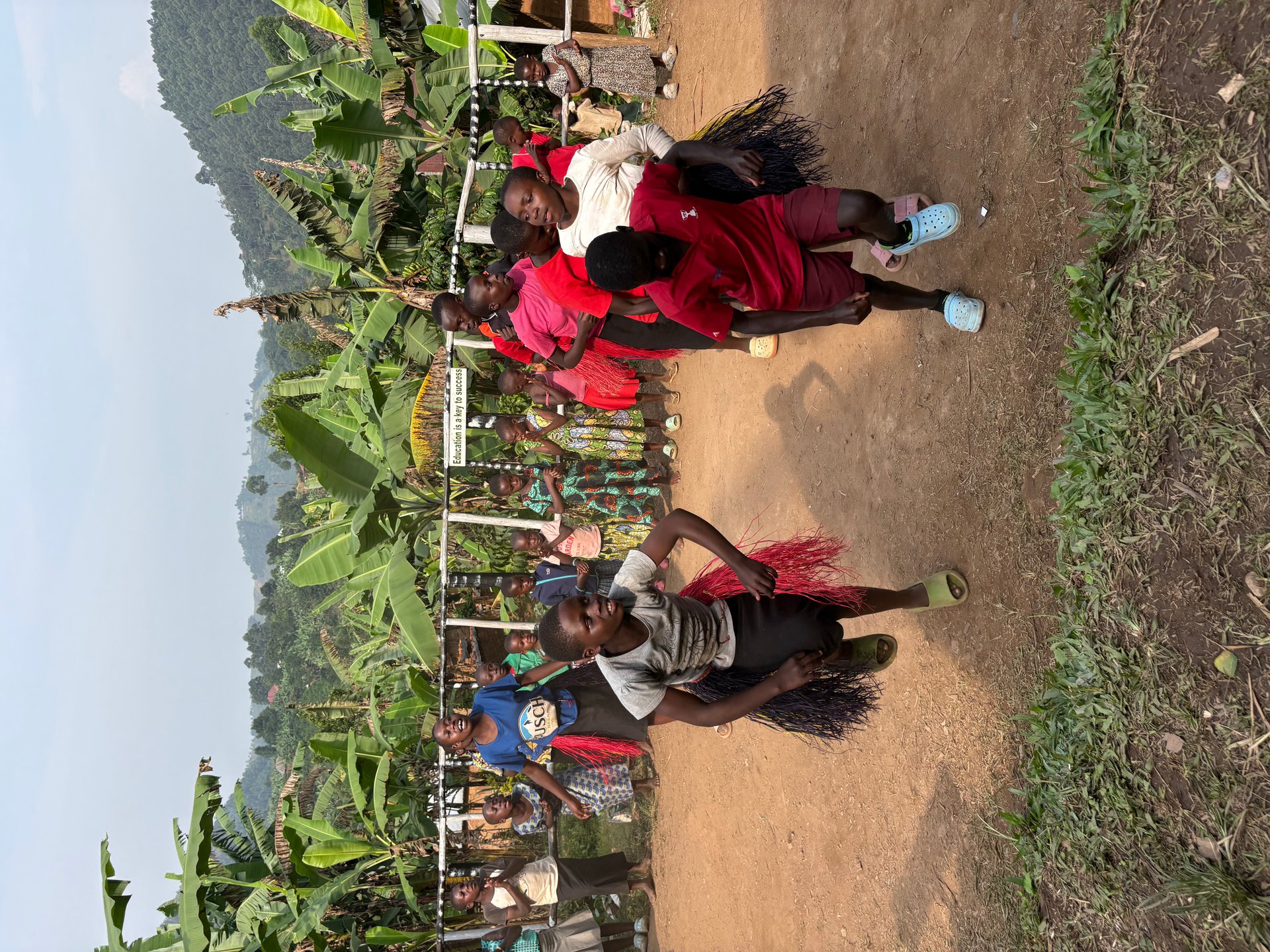
Cultural activities in Buhoma include traditional Bakiga dance performances ($10-20), craft workshops in basket weaving and wood carving ($10-15), cooking classes preparing local dishes like matooke and groundnut stew ($15-25), and music sessions with traditional instruments. All activities are community-led, lasting 1-3 hours, and suitable for all ages. Fees go directly to local performers, artisans, and community development funds.
Quick Facts
- Dance Performance:
- $10-20, 1-1.5 hours
- Craft Workshop:
- $10-15, 1-2 hours
- Cooking Class:
- $15-25, 2-3 hours
- Music Session:
- Often included with dance
- Best Time:
- Afternoon for dance, flexible for others
- Booking:
- 1 day ahead through your lodge
- Group Size:
- Flexible, 2-15 people
- Participation:
- Visitors are always invited to join
The Culture of the Bakiga
The people of the Buhoma area are predominantly Bakiga (also spelled Kiga), one of the Bantu-speaking peoples of southwestern Uganda. The Bakiga are known for their agricultural skill, adapting steep highland terrain into productive farmland over centuries. They are also celebrated for their vigorous, joyful cultural traditions, particularly their dance, music, and communal spirit.
Bakiga culture places strong value on community, hard work, and celebration. Marriages, harvests, and significant events are marked by gatherings with music, dance, food, and storytelling. These traditions remain vibrant in the Buhoma area, and the cultural activities available to visitors draw directly from living practices rather than staged reconstructions.
Community-based cultural tourism has become an important way for the Bakiga to share their heritage while generating income. The performances and workshops are organized by local cultural groups whose members are farmers, teachers, and artisans in their daily lives. When you attend a dance performance or join a cooking class, you are engaging with people in their real community, not actors in a theme park.
Traditional Dance Performances
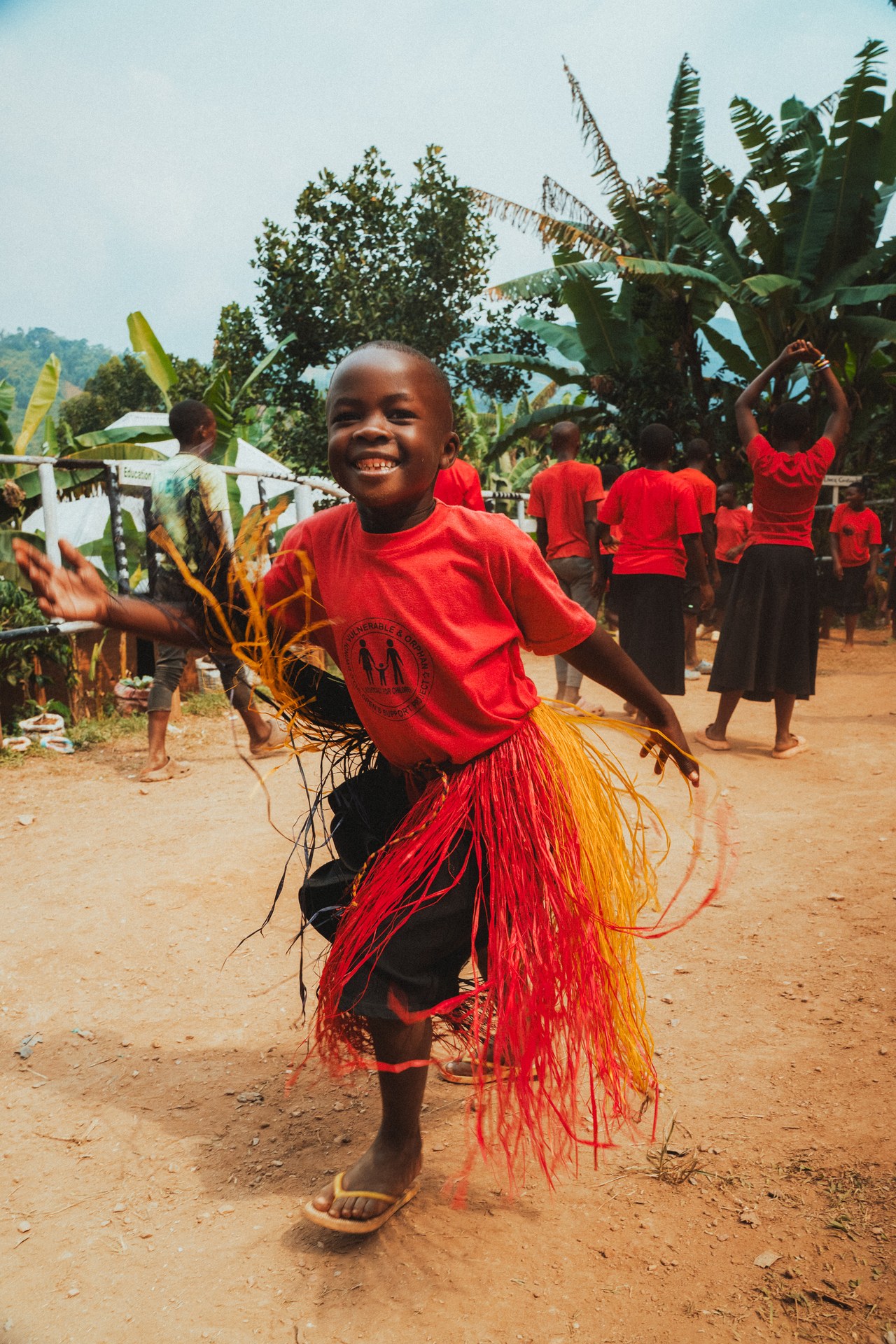
Bakiga dance is physical, rhythmic, and communal. Performances feature groups of 10-20 dancers in traditional attire: women in colorful wrapped fabrics (gomesi or local cloth) and men in bark cloth or traditional dress. The dancing is accompanied by vigorous drumming on locally made drums, shakers, and group singing.
Key dances you might see include the ekitaguriro, a celebratory dance with high jumps and synchronized stamping that expresses joy and community solidarity. Wedding dances demonstrate the energy and celebration of Bakiga marriage traditions. Harvest dances give thanks for a successful growing season. Storytelling dances narrate legends and moral tales through movement and song.
The most memorable moment for many visitors is when performers pull you into the circle. Do not resist. No one expects you to match the footwork of people who have been dancing since childhood. What matters is the shared laughter, the rhythm of the drums, and the brief dissolution of the boundary between visitor and community.
Craft Workshops
Basket Weaving
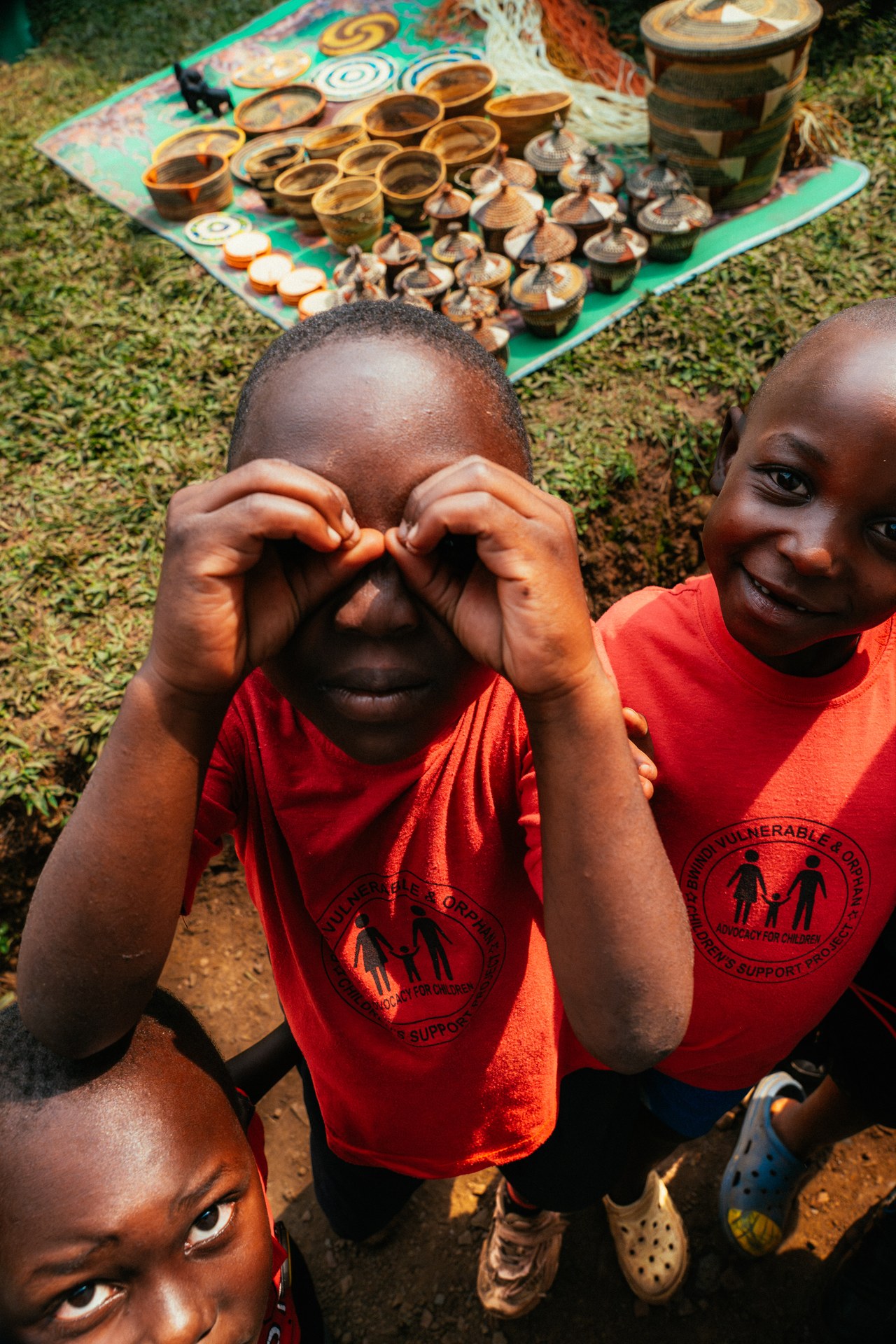
Basket weaving is a traditional skill practiced primarily by women in the Buhoma area. Using grasses, banana fibers, and raffia, weavers create baskets in intricate patterns and vibrant colors. In a workshop, an experienced weaver guides you through the basics: preparing the fibers, starting the base coil, and building up the walls. You won't finish a full basket in one session, but you will understand the skill and patience involved and gain deep respect for the finished products sold in craft shops.
Wood Carving
Buhoma's carpenters and carvers work with local hardwoods to produce furniture, utensils, and decorative items. Several workshops operate along the village road, and artisans are happy to demonstrate their techniques. Using hand tools including chisels, adzes, and hand planes, they shape raw timber into functional and beautiful objects. Some workshops offer hands-on sessions where visitors can try basic carving under supervision.
Other Crafts
Depending on availability, you may also find workshops in beadwork, fabric printing using natural dyes, and pottery. Craft cooperatives in the area bring together artisans who produce goods for sale to visitors, with income shared among members. Purchasing crafts directly from these cooperatives supports livelihoods and ensures fair prices for the makers.
Cooking Classes
Food is central to Bakiga hospitality. A cooking class in Buhoma is as much a social experience as a culinary one. You join a local host, usually a woman experienced in traditional cooking, at her home or a community kitchen. Together, you prepare a meal from scratch using locally grown ingredients.
The star dish is matooke: green bananas peeled, wrapped in banana leaves, and steamed for hours until they become soft and starchy. You learn to peel the bananas (harder than it looks), wrap them properly, and tend the fire. Alongside matooke, you prepare groundnut sauce by pounding roasted groundnuts (peanuts) into a paste and simmering it with tomatoes, onions, and spices. Fresh greens like dodo (amaranth leaves) or nakati are sauteed with tomatoes.
If time allows, you might also make mandazi, fried dough similar to doughnuts, or chapati, a flatbread introduced from the East African coast. Everything is cooked over a wood fire using traditional methods. The meal you sit down to eat together tastes better for having made it yourself, and the conversation over food bridges cultures more effectively than any formal exchange.
Music and Storytelling
Music permeates Bakiga daily life. Traditional instruments include the engoma (drum), made from hollowed tree trunks and animal skin, producing deep rhythms that carry across the valley. The enanga is a stringed instrument used for storytelling and solo performance. Shakers made from gourds filled with seeds provide the texture beneath the drum rhythms.
Singing is communal. Work songs accompany planting and harvesting. Praise songs honor individuals and community achievements. Lullabies and children's songs pass down language and values. Visitors who attend a music session learn about the instruments, hear songs explained in context, and often contribute a song from their own culture in return, creating a genuine exchange.