The Logic of Community-Led Conservation
Protected areas fail when the communities around them see no benefit from protection and significant costs. A farmer whose crops are raided by wildlife, whose land was incorporated into a park boundary without adequate compensation, or who is excluded from resources their family previously depended on, has limited reason to support conservation goals. This is not a moral failure. It is a rational response to a situation in which the costs of protection are local while the benefits are global.
Site Support Groups address this problem from the community side. Rather than positioning conservation as something done to communities, the SSG model positions it as something done by communities — with external support, training, and coordination. Members of an SSG are not conservation objects. They are conservation actors.
Across Uganda, SSGs have been operating in this way since the 1990s. The model has evolved over three decades, shaped by the specific conditions of different sites, the capacity of different communities, and the availability of external funding and support. The core structure, however, has remained consistent: local people, organised formally, taking responsibility for a specific piece of landscape.
What SSGs Actually Do
The activities of a Site Support Group vary by location and capacity, but typically include: participating in regular bird monitoring counts at their assigned site; reporting unusual wildlife activity or signs of poaching to the relevant authorities; conducting outreach within the local community about the importance of the conservation area; and engaging with visitors, researchers, and conservation organisations when they come to the site.
In sites near Bwindi, SSG members often develop birdwatching guiding skills as a direct extension of their monitoring work. The ability to identify the 350+ bird species of Bwindi Impenetrable National Park — particularly the Albertine Rift endemics that attract specialist birders from around the world — represents a marketable skill that connects conservation activity directly to income. When an SSG member leads a paying visitor through the forest edge at dawn, spotting and naming each bird by call, they are performing conservation work and earning a living at the same time.
This dual function — conservation and livelihood — is what makes the SSG model more durable than programmes that separate the two. Conservation awareness without economic benefit tends to fade; economic benefit without conservation awareness tends to degrade the resource. SSGs, at their best, keep both dimensions in play simultaneously.
NatureUganda and the Wider Network
NatureUganda is the national partner of BirdLife International and the primary coordinating body for the SSG network in Uganda. It provides training, technical support, monitoring protocols, and coordination between SSGs at different sites. NatureUganda has been conducting monitoring at specific locations — including Ssele Islands, which it has monitored continuously since 2006 — and the data produced contributes to national-level biodiversity assessments and to BirdLife's global Important Bird Area database.
The Uganda Wildlife Authority's own monitoring programme runs alongside the SSG network, with some overlap in personnel and sites. UWA's 2019 report on bird monitoring for selected sites in Uganda documented conditions at dozens of locations, including sites in forest, cultivated land, and wetland habitats. The presence of SSG members at many of these sites contributed to the quality and consistency of the data.
Challenges and Sustainability
Community conservation programmes face consistent challenges around sustainability. External funding — from international conservation organisations, bilateral aid programmes, or NGOs — is not guaranteed from year to year. When funding contracts or a lead organisation changes its priorities, SSGs can find themselves without the support that makes their activities viable. Training costs money; equipment costs money; coordination costs money.
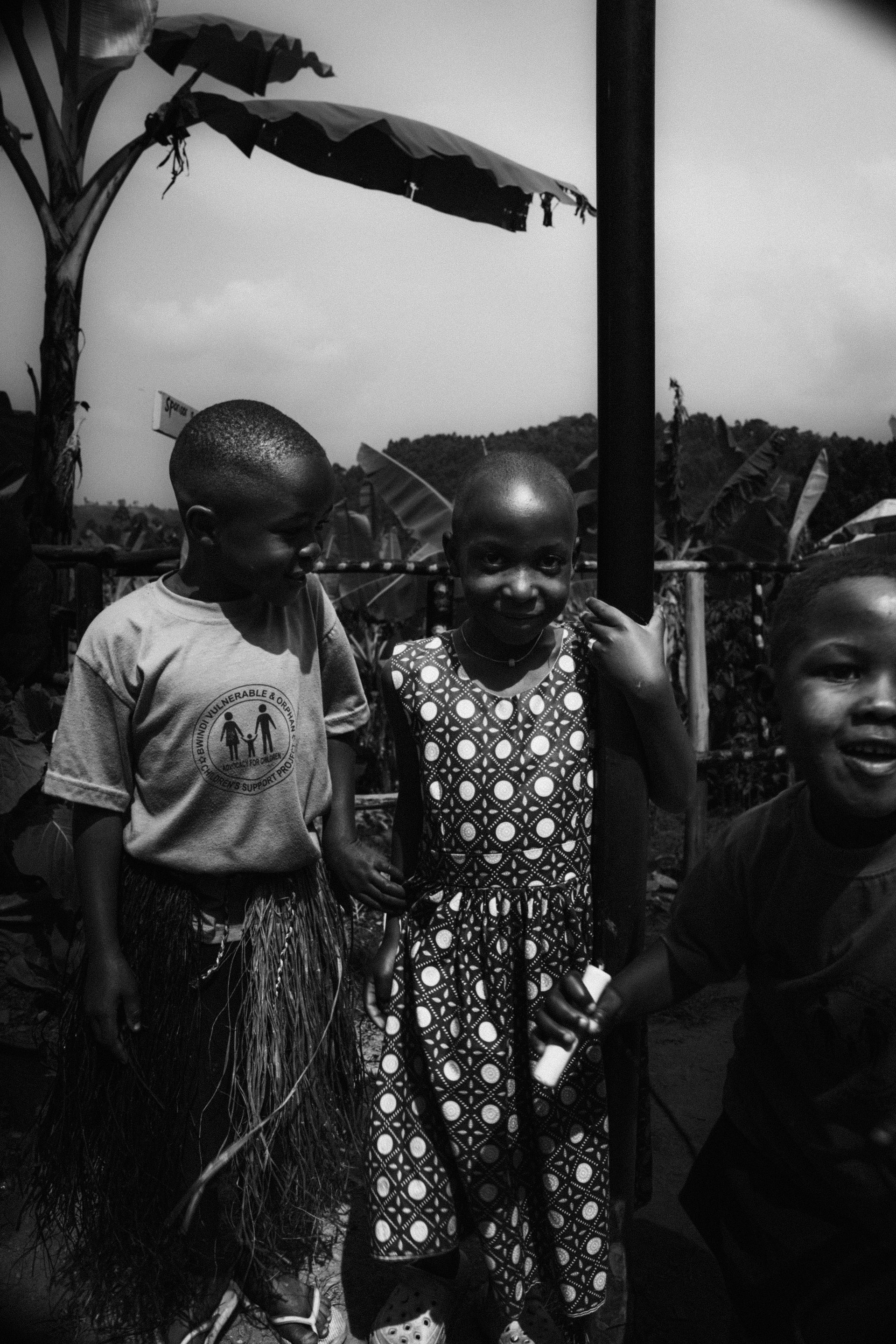
The communities we observed during multiple visits to Buhoma between October 2024 and 2026 are navigating these pressures in real time. The village economy is heavily dependent on gorilla trekking permit revenue, which flows through lodges, guides, and the Uganda Wildlife Authority's revenue-sharing mechanism. Birdwatching represents a potential secondary income stream, but developing it requires investment in guide training and marketing that many SSGs cannot afford without external support.
The most resilient SSGs are those that have developed genuine local ownership — where members participate because they value the outcomes, not only because they are paid to. In the Bwindi region, where the forest is a visible, daily presence in most people's lives, that connection exists. Whether it can be sustained through periods of reduced external support is the question that will determine the long-term impact of three decades of SSG work.
Bird Monitoring Training
How monitoring programmes build local guide capacity in the Bwindi region.
Birdwatching in Bwindi
Species, seasons, and how to arrange a guided birdwatching walk from Buhoma.
Community Conservation
The broader framework of community-based conservation around Bwindi.
Community Walks
Walk through Buhoma and meet the people who live at the edge of the forest.