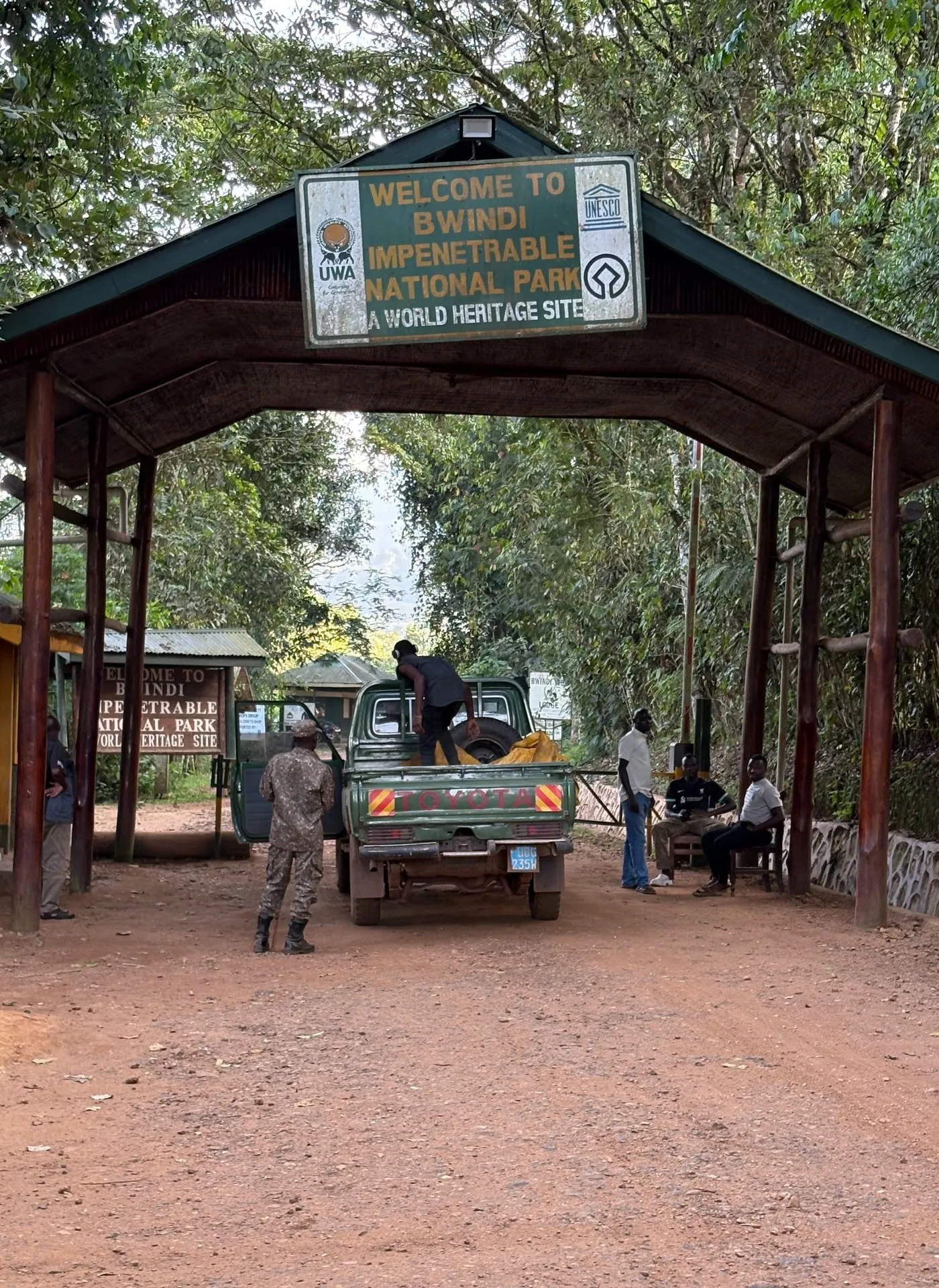
What Does the Entrance to Bwindi Impenetrable National Park Look Like?
The gate is not what you expect. There is no grand archway, no dramatic signage visible from a distance, no turnstiles or ticket booths. Just a covered structure across the road, painted in muted greens, with the words "Bwindi Impenetrable National Park" marking the boundary between the human world and the gorilla's.
On the morning we arrived, an old green truck was parked under the gate roof. Someone sat on the flatbed, leaning against the metal side, looking at nothing in particular — or maybe at everything. A ranger stood nearby in his uniform, rifle resting at his side, eyes calm. A few other people sat or stood around the area. No urgency. No schedule pressure. Just waiting.
Why Does the Bwindi Gate Feel So Different from Other National Park Entrances?
If you have visited national parks in Kenya or Tanzania — the busy gates of the Masai Mara, the queues at Serengeti — Bwindi's entrance feels like another world entirely. There are no lines of safari vehicles. No souvenir shops. No crowds.
Buhoma sector receives a maximum of 8 visitors per gorilla family per day. With a few habituated families in this sector, that means perhaps 16-24 trekkers on any given morning. The gate reflects this intimacy. It is quiet enough that you can hear birds in the canopy above. Quiet enough that the sound of the truck engine cooling down becomes the loudest thing around.
Behind the gate, the forest rises. Not gradually — abruptly. The transition from cleared land to impenetrable jungle happens within meters. One moment you are standing on packed earth next to a ranger. The next, you are looking into a wall of green so dense that light barely penetrates the first few meters.
The Rangers of Bwindi
The armed rangers make an impression. Not because they feel threatening — they do not — but because their presence reminds you of what is at stake. Bwindi shares a border with the Democratic Republic of Congo. The gorillas here are among the most valuable animals on the planet, and the threats are real: poaching, habitat encroachment, disease.
These rangers are not guards in the tourist sense. They are guardians. Many have spent their entire careers in this forest. They know the gorilla families by name, by personality, by the way they move through the canopy. During the morning briefing, it is a ranger who will tell you which family you are visiting, how far the trackers estimate you will walk, and what to do if a silverback charges — stand still, look down, do not run.
They carry rifles, yes. But what they really carry is knowledge. Decades of it.
The Moment Before
There is a particular feeling that the gate generates. A threshold feeling. You know that within hours, you could be face to face with a mountain gorilla — an animal that shares 98% of your DNA, that will look at you with eyes that feel startlingly human, that might sit down three meters away and simply exist in your presence.
The $800 permit has been booked months in advance. The hiking boots are laced. The packed lunch is in the daypack. And yet, standing at this gate, the magnitude of what is about to happen has not quite landed.
That is the gift of a quiet place. It lets anticipation build honestly, without manufactured excitement. No loudspeaker announcements. No countdown timers. Just the forest breathing, the rangers waiting, and you — standing at the threshold of something you will remember for the rest of your life.
What to Know Before You Arrive at the Gate
- --Arrive by 7:30 AM for the morning briefing (starts around 8:00 AM)
- --Bring your gorilla permit and passport — rangers check both
- --Wear long trousers, sturdy boots, and garden gloves for the trek
- --Pack rain gear, water, and snacks — treks last 2-8 hours
- --Hire a porter ($15) at the gate — it supports the community and saves your energy
More Stories from Buhoma
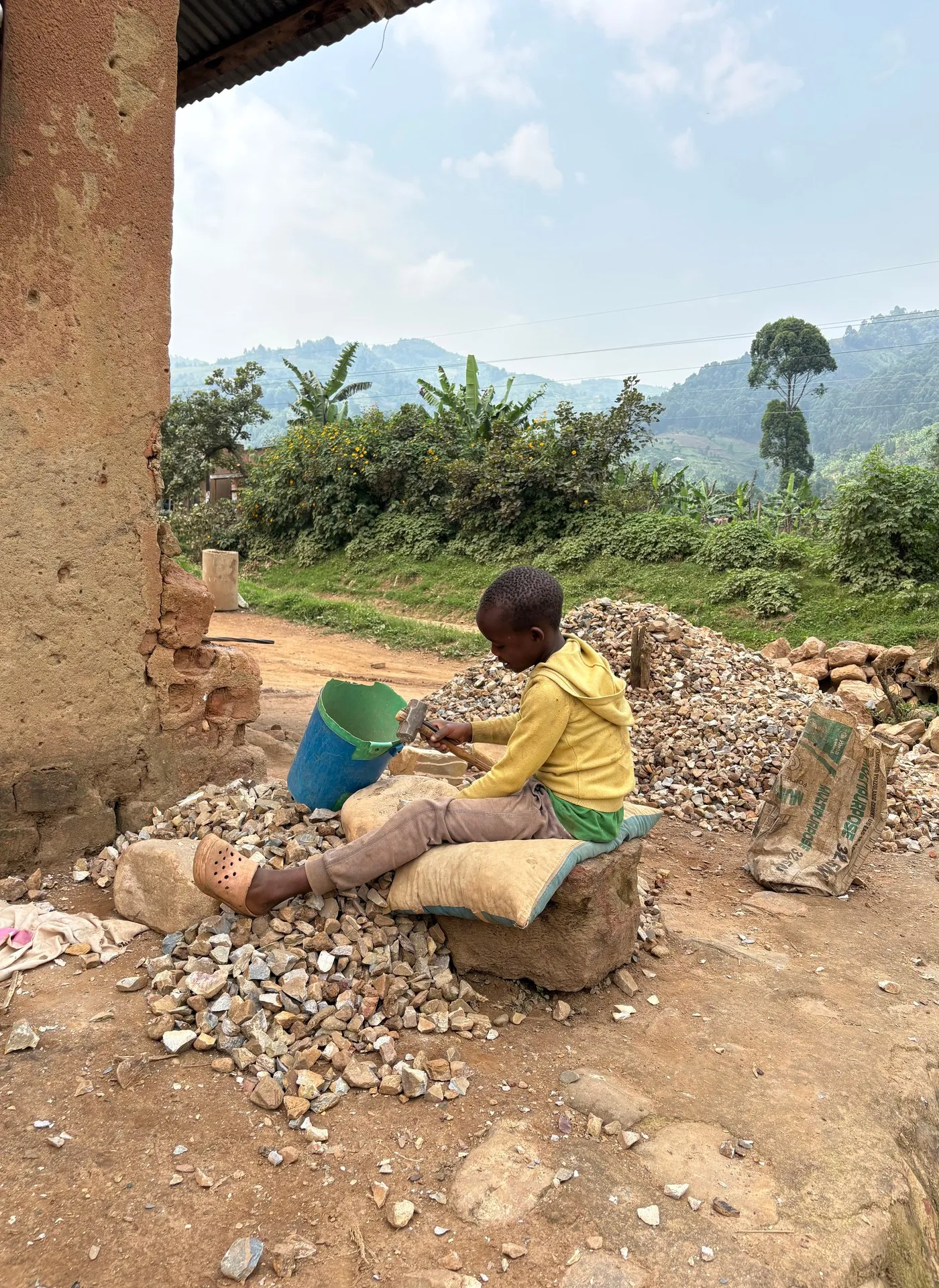
Roger the Stone Breaker
A 10-year-old boy who breaks stones instead of going to school.
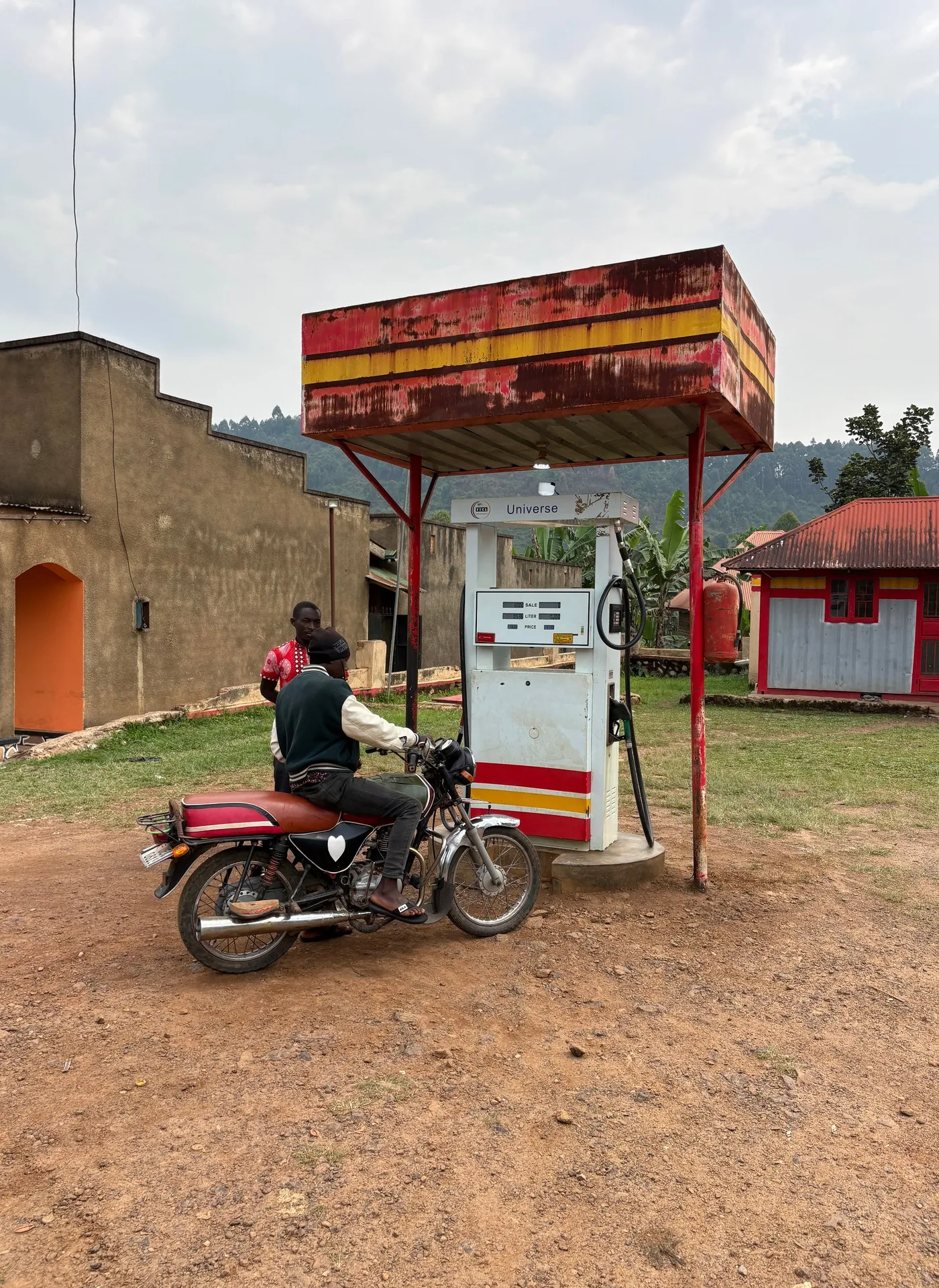
The Fuel Station
A roadside fuel station tells the story of everyday life in Buhoma.
Bwindi Entrance & Gorilla Trekking FAQ
Last updated: September 2026