What Buhoma Actually Needs
Gorilla trekking brings significant money to Buhoma. The $800 permit price — and the accommodation, food, and transport costs that surround it — represents substantial income for lodges, guides, rangers, BodaBoda riders, market vendors, and farmers. The Uganda Wildlife Authority redirects a share of park revenue into community infrastructure: roads, boreholes, school buildings.
But money flows unevenly. The families who benefit most from tourism are often those already positioned to receive it — lodge owners, trained guides, people with land. The families at the bottom of the economic ladder — those whose children cannot afford school fees, who earn a dollar or two from subsistence farming, who have no collateral for a loan — see comparatively little of the tourism economy.
This is where community projects operate. Not as charity dropping in from outside, but as structured support for specific gaps that the tourism economy has not closed: school fees, nutrition, access to water, building materials for housing.
The HopeKitchen Project
One of the active community initiatives in Buhoma is the HopeKitchen project, supported by the German charity Hope on the Road. The project's goal is simple: provide reliable meals for children in the village who are not getting adequate nutrition at home, and in doing so, make it more likely that those children stay in school.
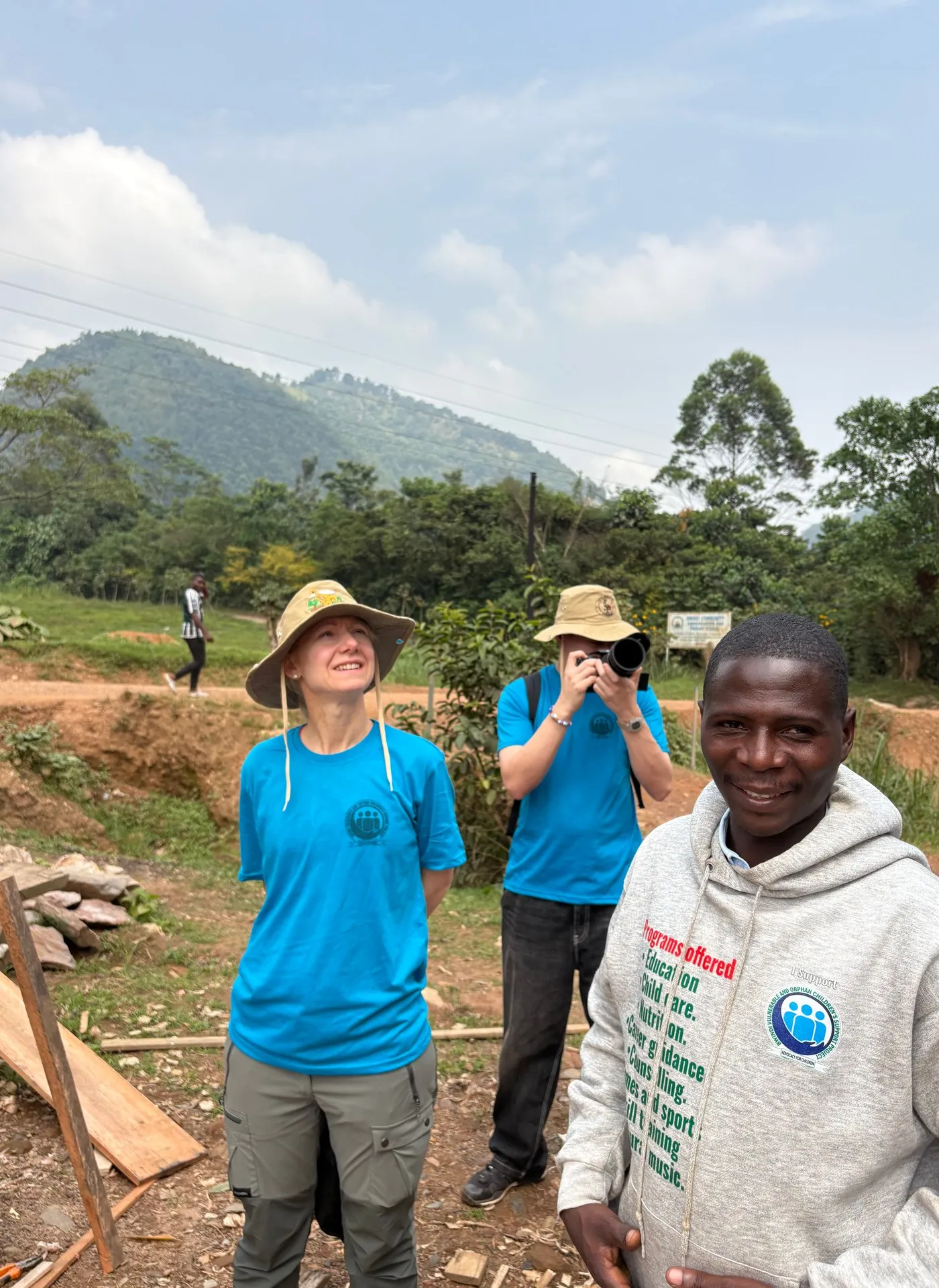
The building site, photographed during the June 2026 visit, shows brick walls going up with local materials, local masons, and local oversight. This matters because it reflects the project's basic philosophy: construction employs people from Buhoma, food is sourced from local farmers where possible, and the kitchen will be run by community members rather than by incoming volunteers. The project is designed to be sustainable — something that functions after the outside interest has moved on.
Visitors can support the HopeKitchen project through Hope on the Road's community fund.
The Question Every Volunteer Should Ask
In development work, there is a question that separates effective engagement from well-intentioned harm: Could a local person do this job, and if so, why am I here instead of them?
The question is uncomfortable, but it is the right one. Buhoma has skilled builders, experienced teachers, trained health workers, capable administrators. When a short-term international volunteer takes one of those roles, they often displace a local person who could do it better — while gaining an experience for their CV that the community had no say in providing.
The roles where outside support genuinely helps tend to be specific: funding that local projects cannot access locally, specialist skills that are genuinely not present in the community, or logistical connections to international networks. Everything else is best done by the people who actually live here.
What Visitors Can Do in Practice
A gorilla trekking trip to Buhoma is typically two to three nights — rarely enough time for meaningful project work. But there are ways a short visit can leave a genuine footprint:
Practical Ways to Contribute During a Short Visit
- 1.Book a community walk with a local guide — the fee goes directly to the guide and their family
- 2.Buy food and crafts from local market vendors rather than from lodge shops
- 3.Ask your lodge whether they employ local staff and source food from local farmers
- 4.Donate to established community education funds — ask at reception for vetted local initiatives
- 5.Support the Hope on the Road HopeKitchen project that operates directly in Buhoma
Social Projects in Buhoma
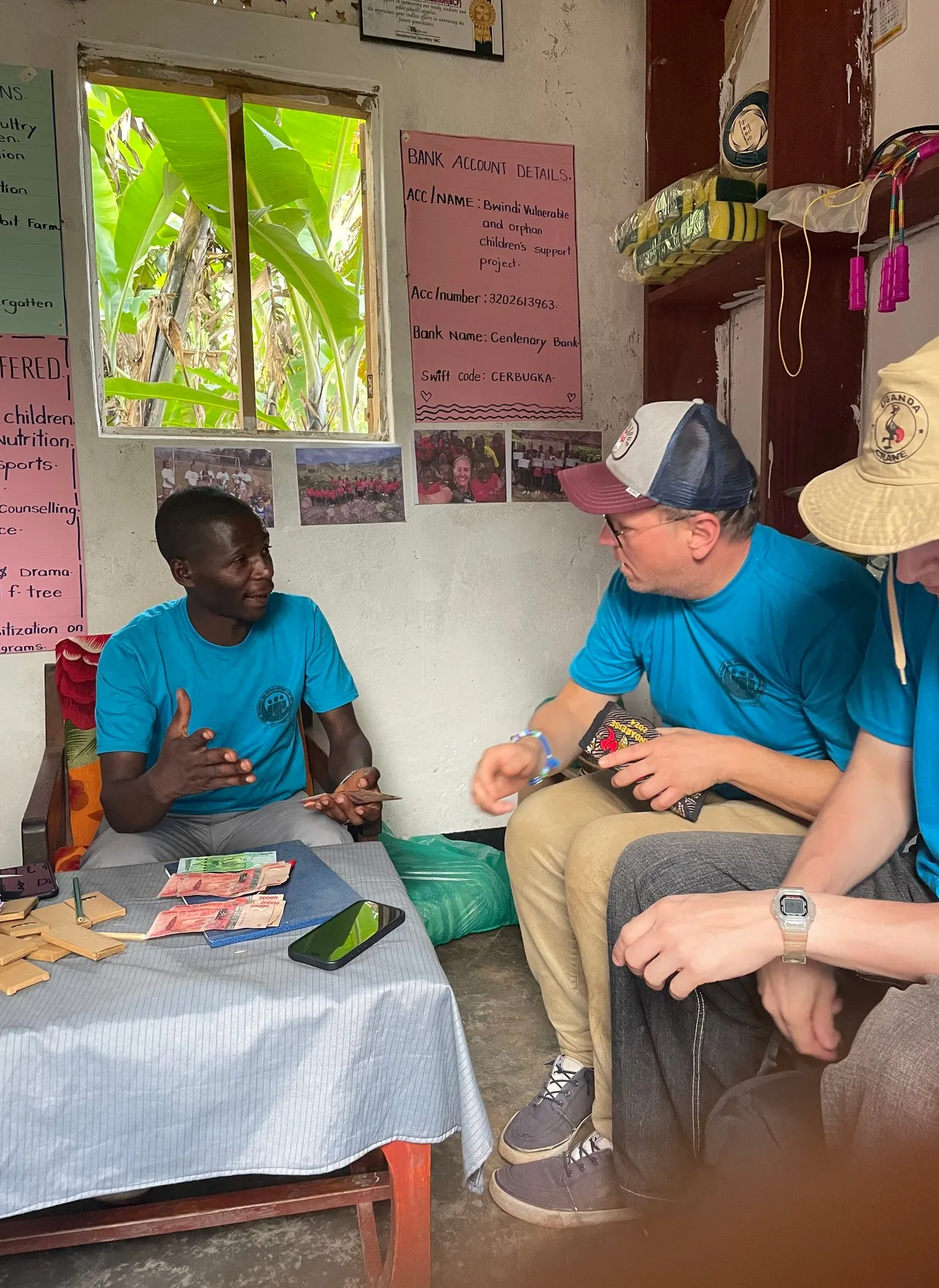
Community initiatives supported by Hope on the Road — what they do and how to help.
Daily Life in Buhoma
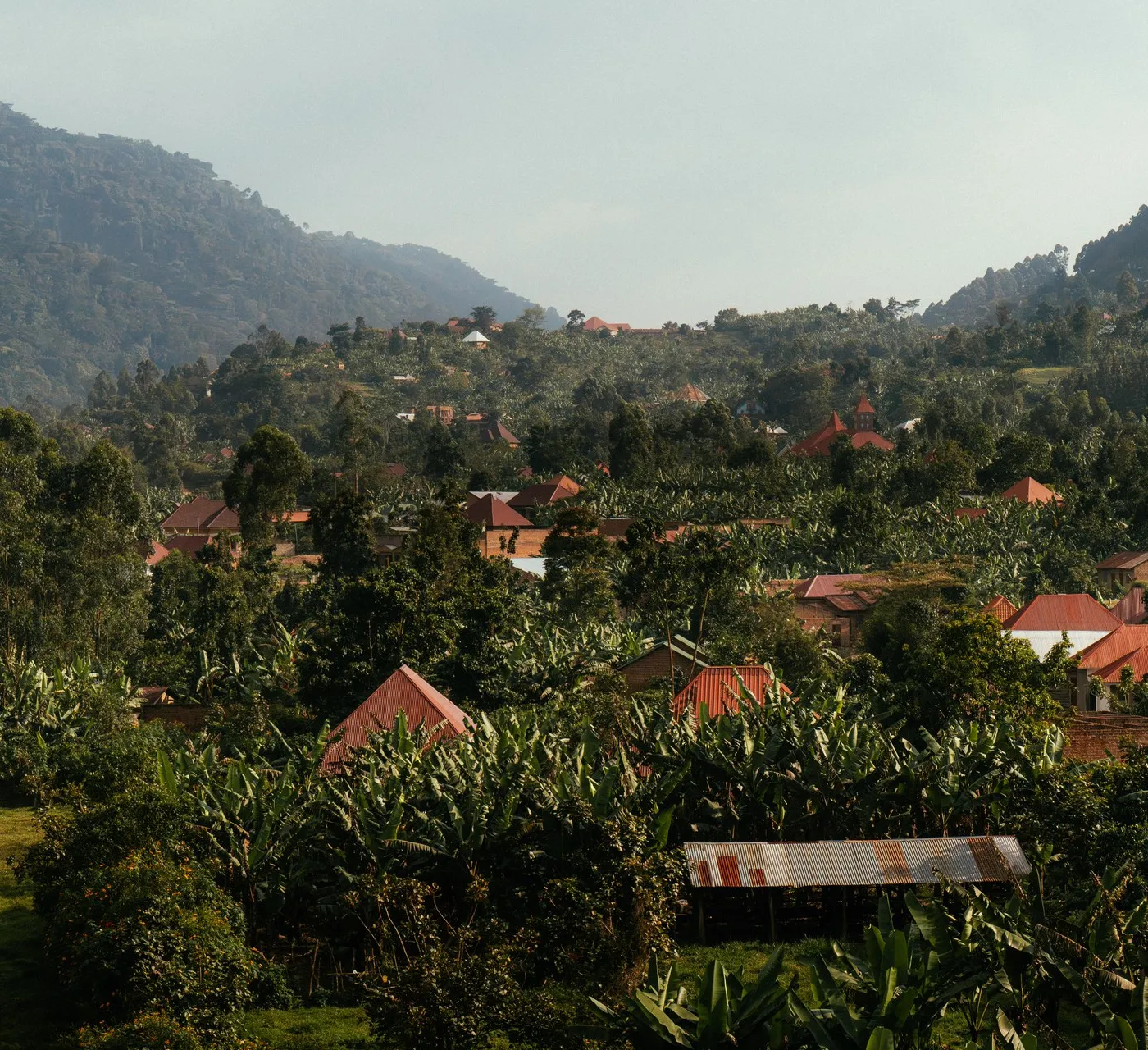
Morning to evening — the rhythms of an ordinary day in gorilla country.

How Tourism Helps Buhoma
Norman traces how an $800 permit touches an entire chain of livelihoods.
Roger the Stone Breaker
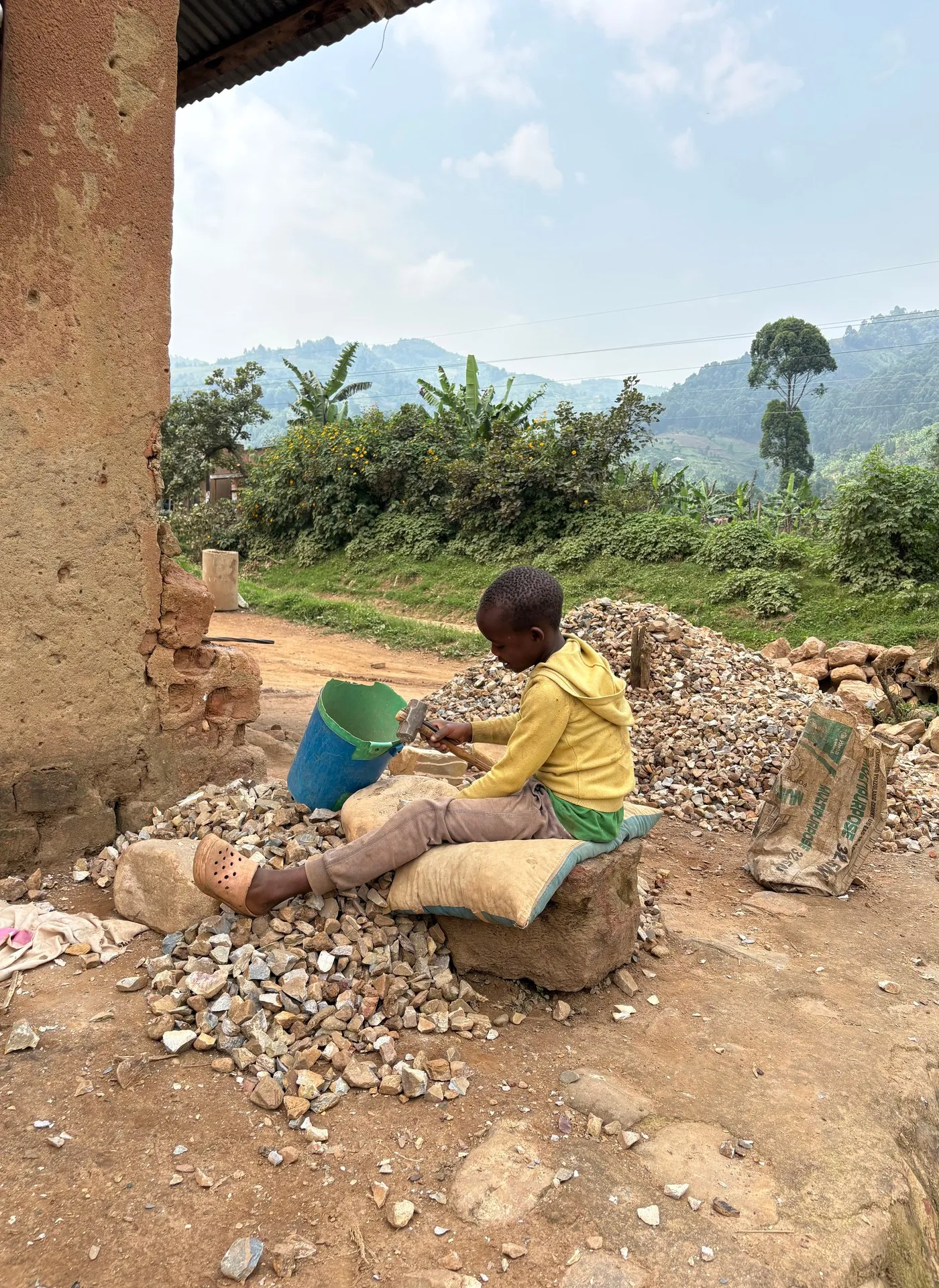
A 10-year-old boy, a hammer, and the weight of poverty in rural Uganda.
Volunteering & Community Support FAQ
Last updated: September 2026