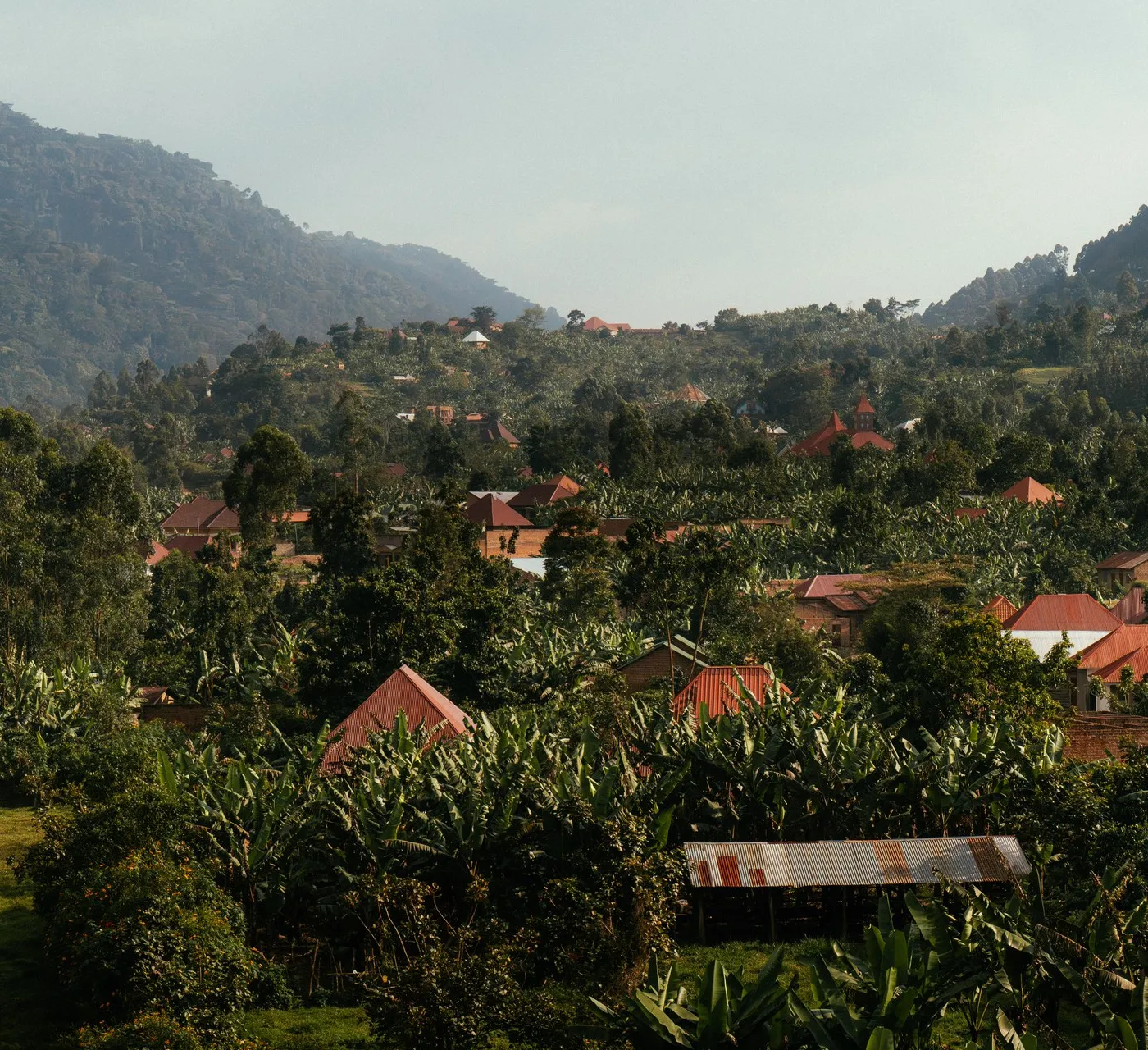
Before Six O'Clock
The village is already awake before the gorilla trekkers stir. Wood smoke from morning cooking fires drifts through the cold air — the elevation at Buhoma means genuinely cool mornings, often below fifteen degrees before sunrise. Women are moving on the paths by five-thirty. Children fetch water before school. The market area begins accumulating people well before the first safari vehicle passes through.
The BodaBoda riders are at their spots by six, engines already warm. They know the trekking schedule — they know that some lodges run vehicle transfers to the briefing point, and that others have guests who will want to ride rather than walk. Norman Noel, who drives one of the motorcycles in Buhoma, is typically at his spot before six-thirty. On the October 2024 visit, he was there at the same time every morning, regardless of weather.
Seven-Thirty — The Briefing
At seven-fifteen, the trekkers assemble at the UWA briefing point near the park gate. The briefing lasts about fifteen minutes: which gorilla families are being tracked today, safety protocol for forest encounters, rules for the one-hour visit window, the no-photo-flash rule, the distance to maintain from the gorillas. Then the groups set off into the forest.
By eight o'clock, the briefing area is quiet again. The guides and rangers have gone into the forest. The lodge vehicles have returned to their properties. The village resumes its morning without the visitors — which is how most mornings feel for most people in Buhoma, even now. Tourism occupies a specific slot in the day. The rest of the day belongs to the village.
Midday — The Village at Rest
Between ten and midday, Buhoma is quiet. The gorilla trekkers are somewhere in the forest. The children are in school. Adults who work are at work; those who farm are in their gardens on the hillsides. The few shops along the main track — small general stores selling soap, biscuits, phone credit, and household basics — have customers in the morning and in the afternoon but see a lull around midday.
The road through the village — unpaved, red, slightly wider than a single vehicle — is mostly empty in the middle of the day. A school of ducks crossing. A woman carrying a basket on her head. The occasional supply truck heading toward one of the lodges. The sound of the forest, not far away, which on still days carries the sound of insects and birds without effort.
Afternoon — Return and Activity
The gorilla groups return between noon and two o'clock depending on how far they found their assigned family. The trekkers come back to the briefing area visibly changed — tired, often emotional, uniformly enthusiastic. Guides collect their tips. BodaBoda riders pick up anyone who walked down and wants a ride back up to the lodges.
Schools let out around two. The afternoon fills with children. The market area picks up again — fresh matoke brought down from the gardens, vendors setting up along the roadside. The fuel pump at the edge of the village gets its afternoon rush: BodaBoda riders topping up for evening rides, the occasional vehicle passing through.
Between three and five is the most animated part of the village day — children running, vendors calling, dogs in the road, a radio audible from somewhere. The hills that were green in the morning are now orange and gold where the late sun catches them. The forest, above everything, is backlit and dark.
Evening — Cooking Fires and Dark
After five, the light changes quickly at this latitude. Sunset at the equator is fast — not a long gradual fade but a definite shift from day to dark within forty-five minutes. The cooking fires that were lit in the morning are lit again for the evening meal. Wood smoke thickens the air. The village gathers inward.
Electricity reaches parts of Buhoma — some lodges and a handful of buildings in the village centre have power. For many households, the evening is lit by kerosene lamps or phone torches. Children do homework where light allows. Adults talk. The sounds of the village — dogs, the occasional motorcycle, voices — gradually thin as the temperature drops below ten degrees.
The lodges on the hillside above are visible as scattered lights in the dark. Up there, the tourists are reviewing their photographs, uploading to social media where signal allows, eating the dinner that local kitchen staff have prepared. Two worlds in the same valley, the same night, the same forest above them both.
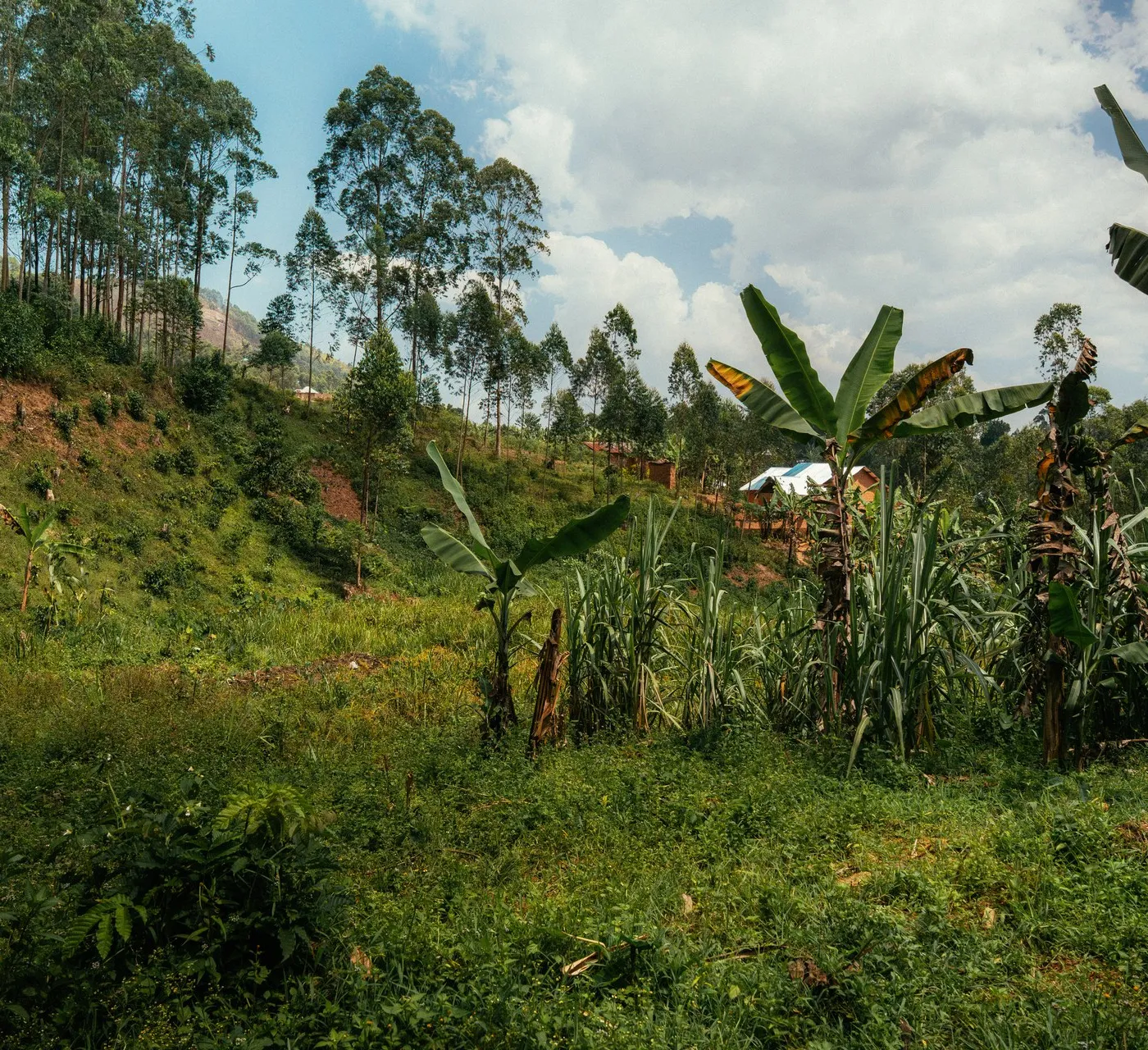
The Valley
First impressions of Buhoma — the landscape, the approach, and the valley below the forest.
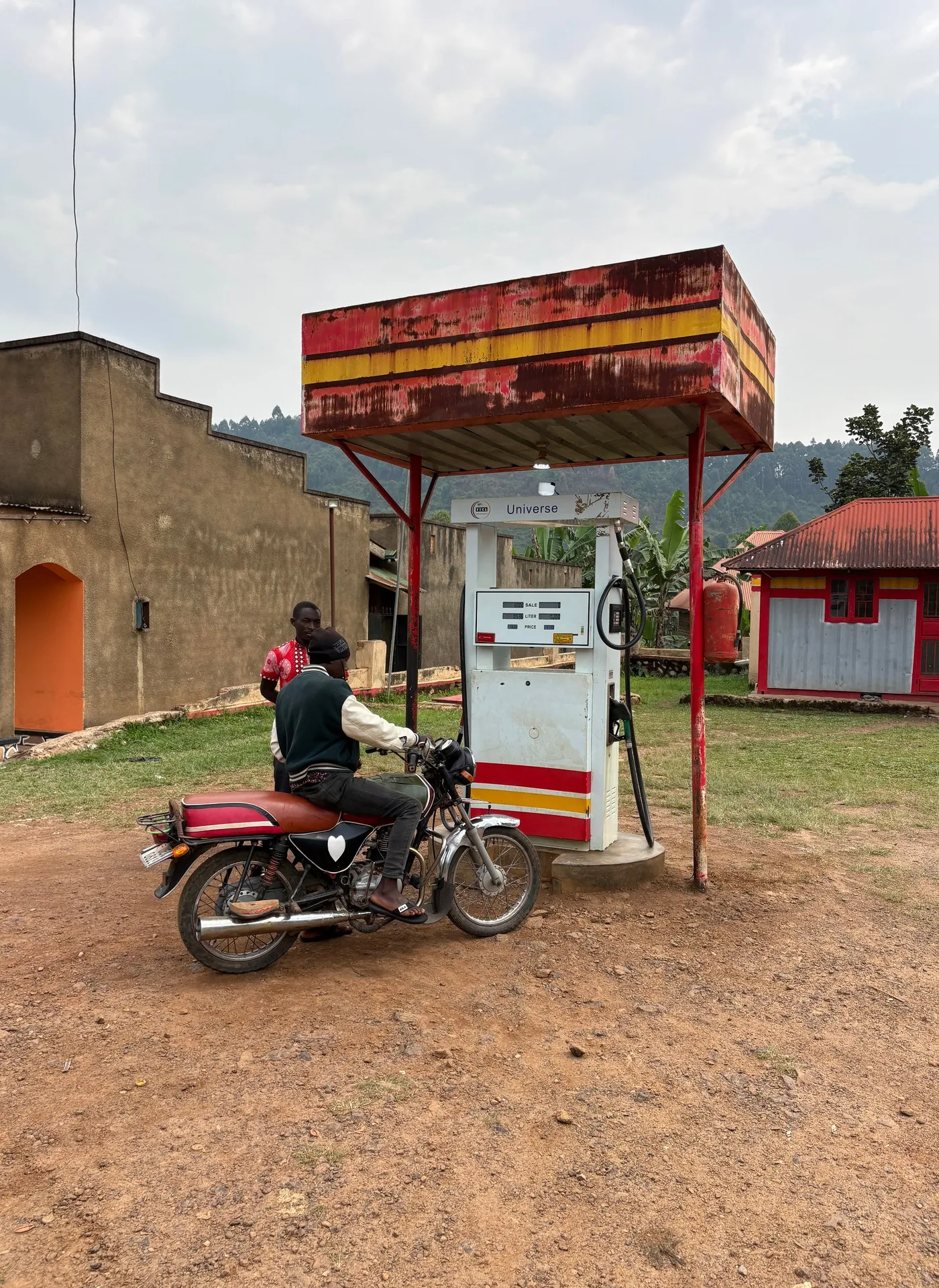
The Fuel Station
Where a single pump tells the story of an entire village and the informal economy around it.
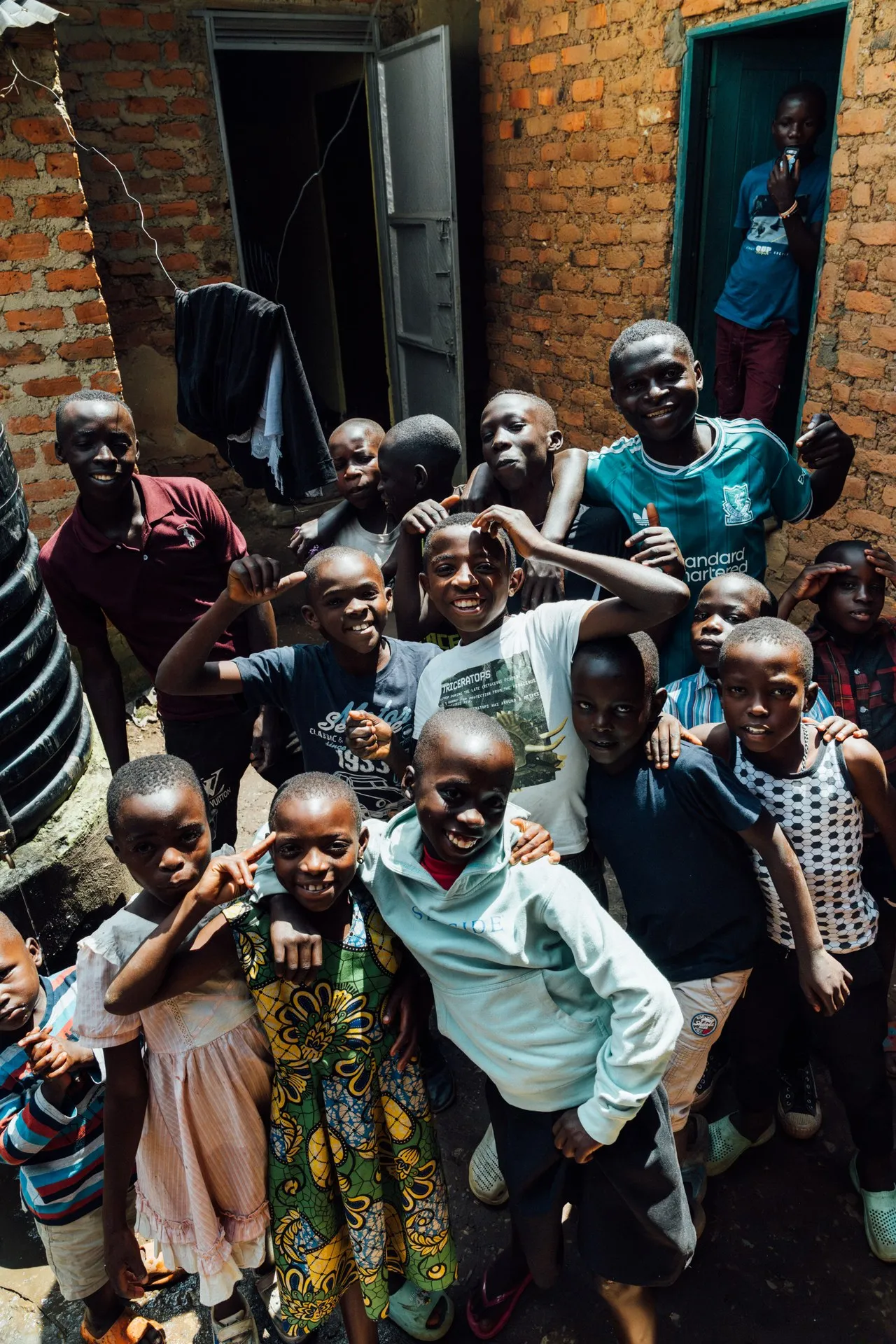
The Children of Buhoma
Growing up at the edge of the forest — the village through children's eyes.

Life in Buhoma — Emily's Story
Emily grew up in Buhoma and runs a small shop. She shows what daily life truly looks like.
Daily Life in Buhoma FAQ
Last updated: September 2026