School Morning
By seven in the morning, the paths through Buhoma are full of children. Uniforms in pale blue and white, yellow and grey, green and white — each school has its colour, and the children move in streams through the village, backpacks bouncing, some barefoot on the red dirt paths, some in rubber sandals. They do not walk alone — they walk in clusters, talking, playing as they go.
On the October 2024 visit, the morning gorilla briefing began at seven-thirty. The briefing point is near the park gate, and the road that leads to it is the same road the school children use. For fifteen minutes, the two flows intersect — international visitors in hiking gear with their day packs, and children in school uniforms heading in the same direction before their paths diverge. The adults are thinking about gorillas. The children are talking about whatever children talk about on the way to school.
The schools themselves are visible on the hillsides above the village: brick buildings, painted, with children visible in the classrooms through open windows. Some classrooms are crowded — forty, fifty children to a room is not unusual in rural Uganda. A single teacher manages the room. The system is under strain. But it functions, and the children who manage to stay in it emerge speaking English, doing arithmetic, and navigating a world that is considerably wider than the valley they grew up in.
The Afternoon World
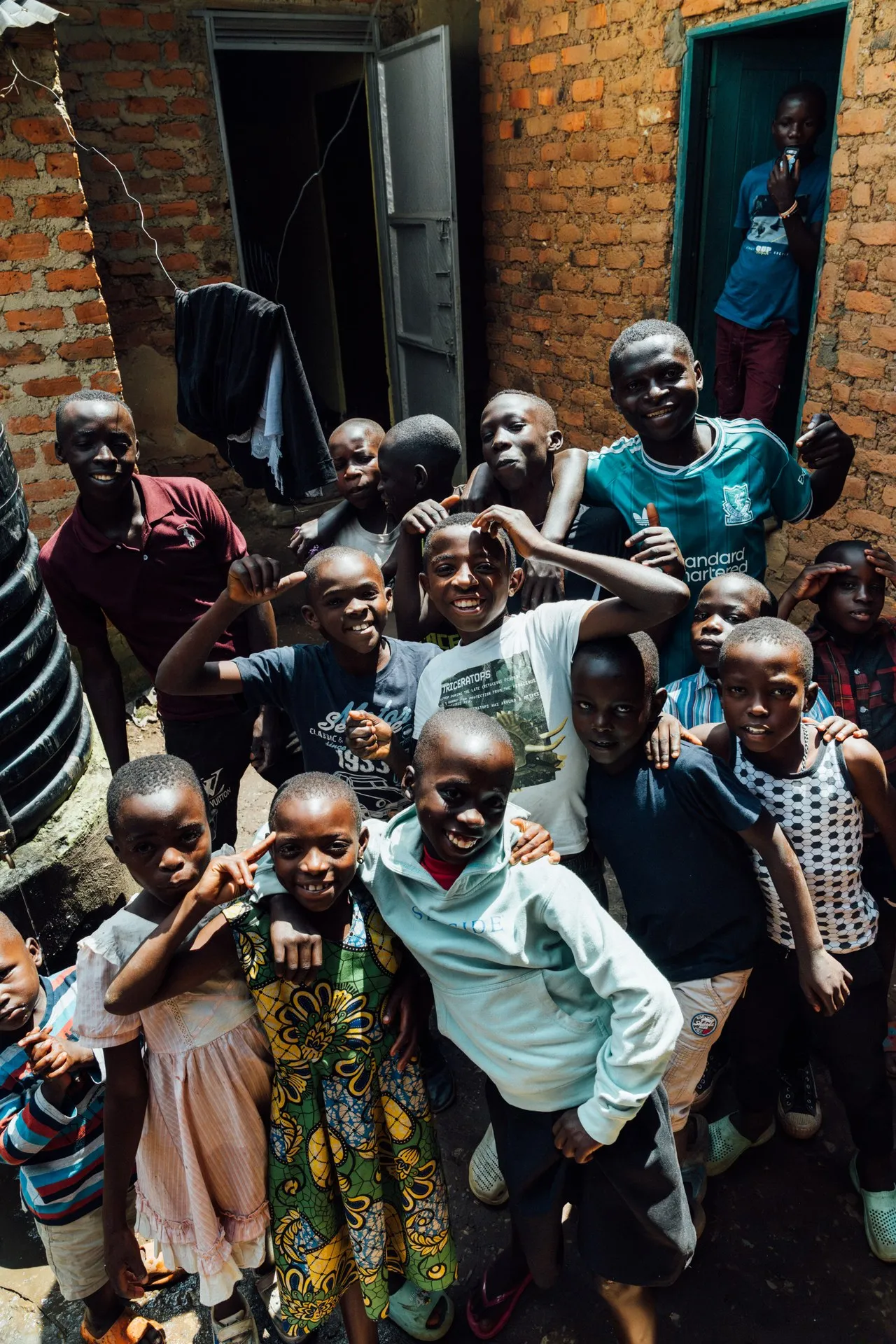
By mid-afternoon, school is out and the village transforms. Children fill the paths, the open ground near the market, the space around the fuel pump. Football — a ball made of whatever is available, in a field of whatever flatness can be found — is played with an intensity that looks like competition but is really play. Smaller children chase each other through the banana gardens. Girls sit in groups. Boys demonstrate things to each other.
The curiosity about visitors is immediate and unguarded. Children who have spent any time around tourists speak enough English to ask where you are from, what your name is, and whether they can see your camera. The camera question is consistent — every child wants to see the photo after it is taken, and the reaction when they see themselves on screen is always worth watching. Pure, immediate delight.
But the afternoon also involves work. Children fetch water. They carry loads. The older ones watch the younger ones while parents are in the garden. The line between play and responsibility shifts constantly throughout the afternoon, and most children in Buhoma manage both without it appearing unusual to them.
The Two Worlds
The children who visit Buhoma with their parents — travellers from Europe, North America, Japan — and the children who live in Buhoma occupy the same physical space for a day or two, then diverge entirely. The visiting children are usually in good hiking boots, photographed constantly by their parents, and will go home to schools, libraries, and futures of material comfort that are almost incomprehensibly different from what the village children will navigate.
This is not a reason to feel guilty about travelling. Tourism is among the most concrete economic forces working in Buhoma's favour. The $800 permit creates real employment for real families. But it is a reason to look more carefully — to see the village children as individuals with names and lives and ambitions, not as background to a wildlife trip.
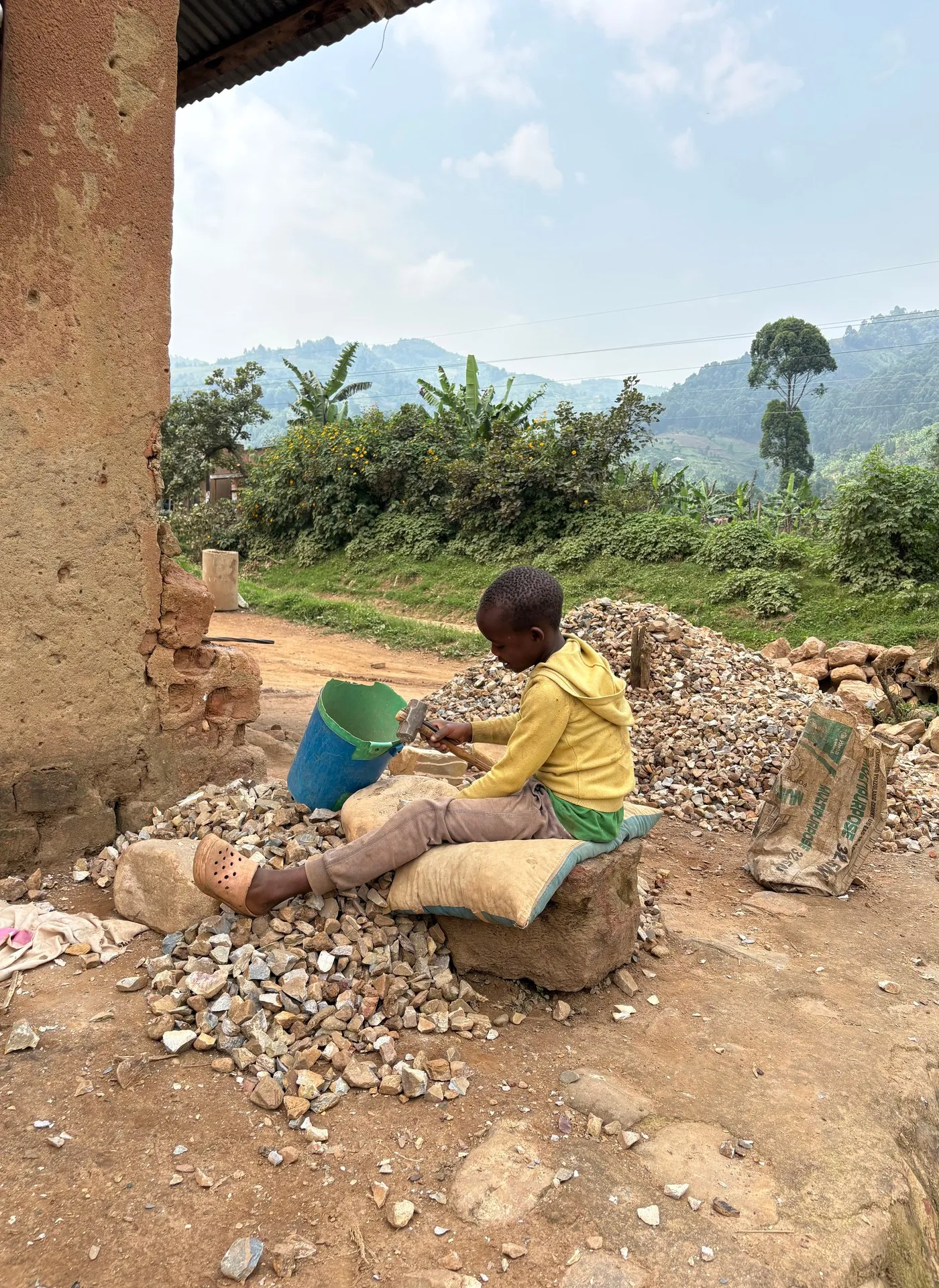
We met a boy named Roger on one of our village walks — ten years old, breaking stones on the side of the road instead of attending school because his family could not afford the fees. His full story is here. He is not the whole story of Buhoma's children — many are in school, many are thriving. But he is part of it. And his part matters.
What the Children of Buhoma Inherit
The children growing up in Buhoma today will inherit one of the most remarkable landscapes on Earth. Bwindi Impenetrable Forest — the largest remaining block of Afromontane rainforest in East Africa — is their backyard. The mountain gorillas that draw visitors from every corner of the world are, for Buhoma's children, simply a fact of local geography.
Whether that inheritance translates into opportunity or constraint depends on how well the relationship between the park and the community continues to evolve — on whether more children can stay in school, more families can access the tourism economy, and more of the value generated by the gorillas finds its way to the people who live alongside them.
The children running through Buhoma in the afternoon are cheerful, loud, curious, and full of the absolute energy that children have before the world begins to narrow their expectations. Whatever comes next for this place, they are its best argument.
Roger the Stone Breaker
A 10-year-old boy, a hammer, and the weight of poverty in rural Uganda.
Volunteering in Buhoma
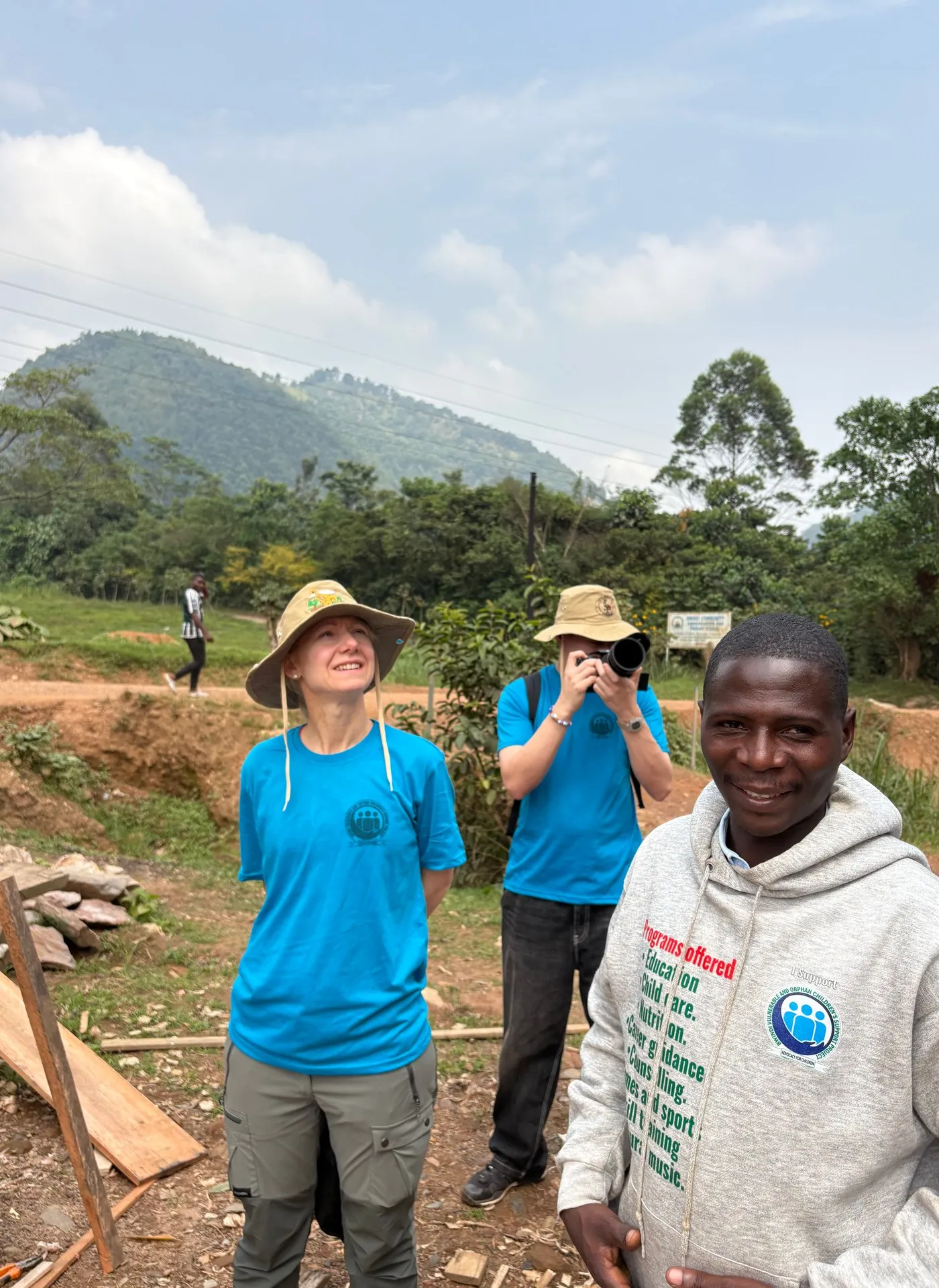
What meaningful help looks like at the edge of Bwindi Impenetrable Forest.
Daily Life in Buhoma
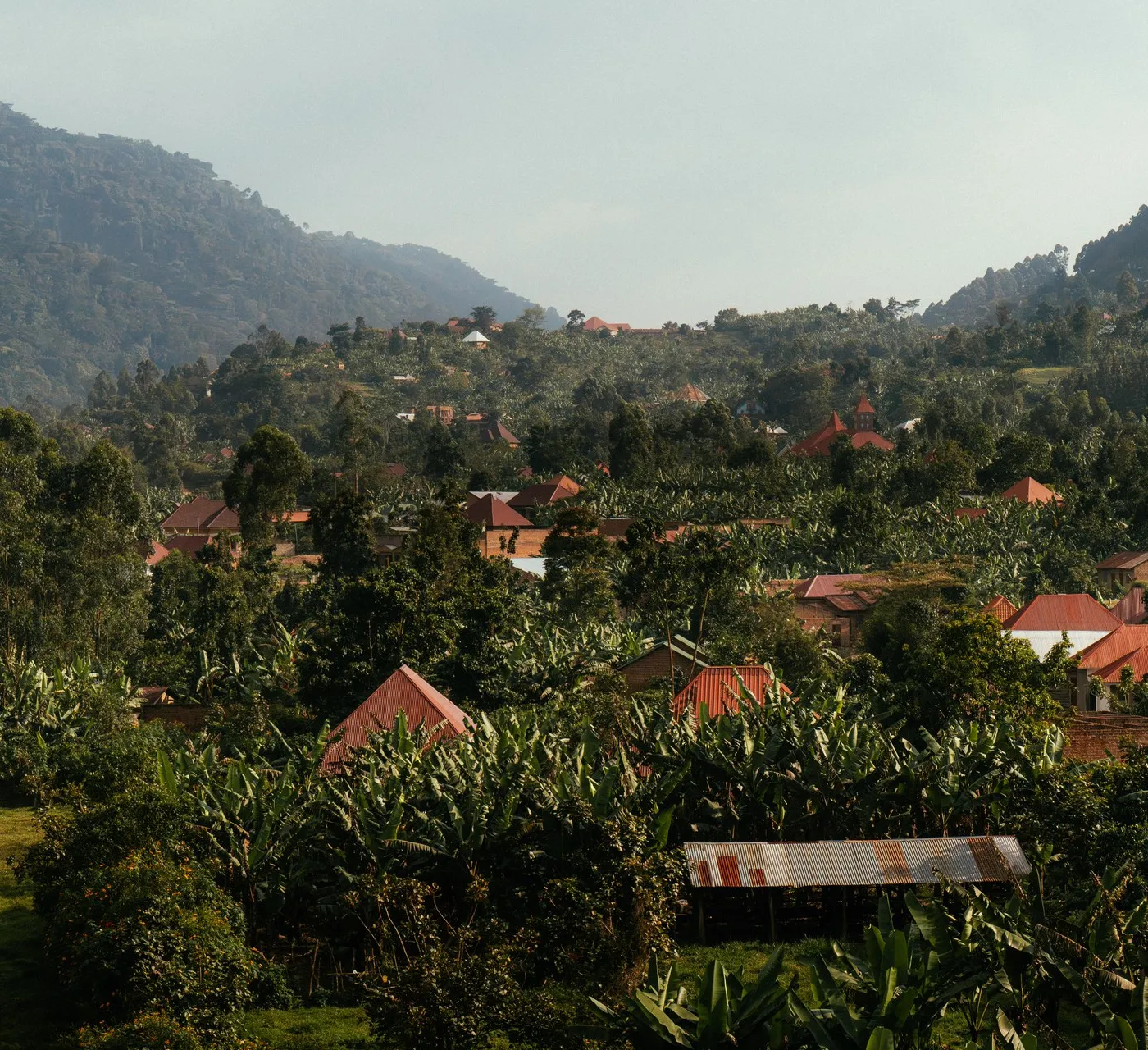
Morning to evening — the rhythms of an ordinary day in gorilla country.

Life in Buhoma — Emily's Story
Emily grew up in Buhoma and runs a small shop. She shows what daily life truly looks like.
Children, Schools & Community FAQ
Last updated: September 2026