The Road Down
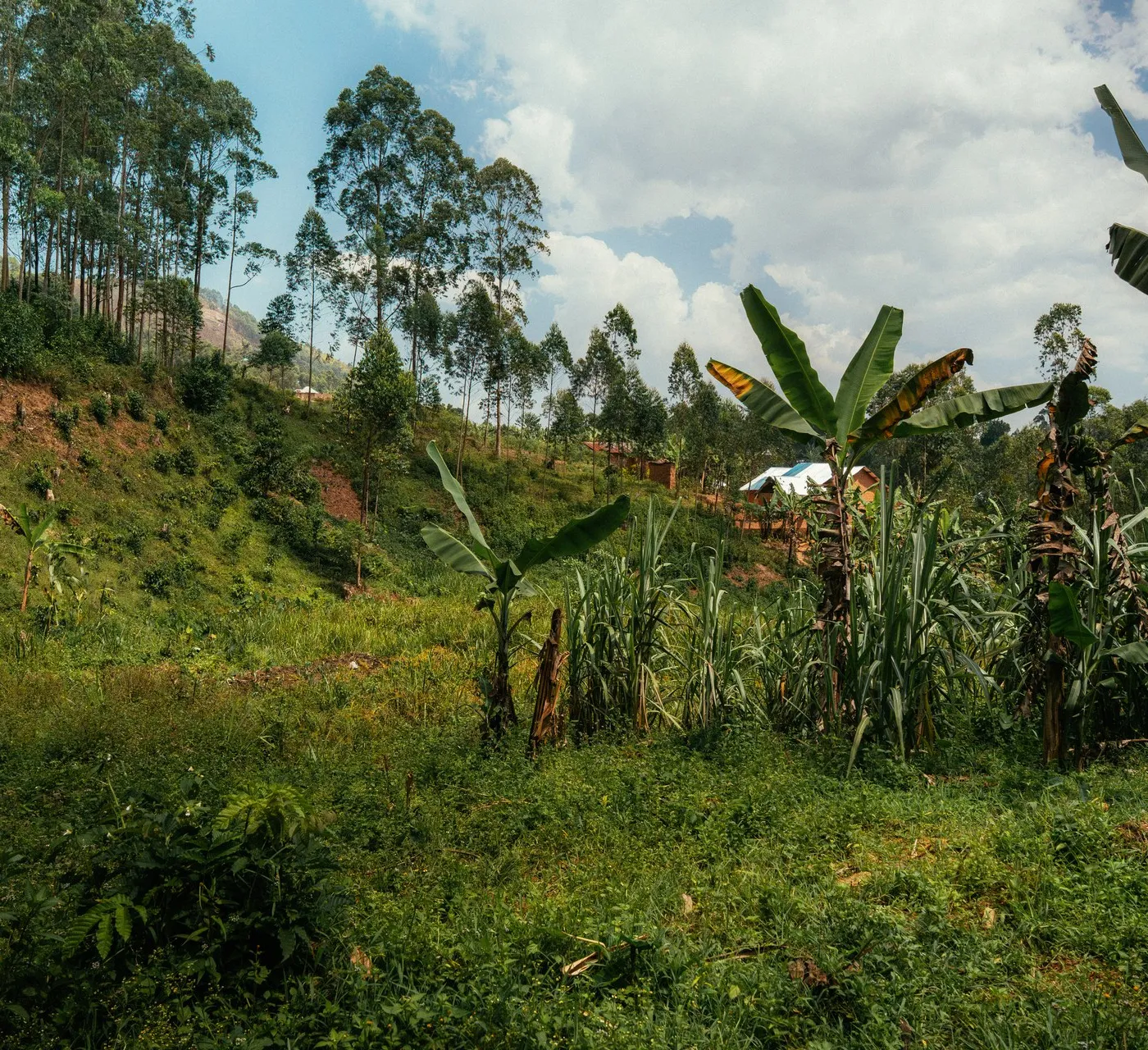
You smell it before you see it. After hours of red-dirt roads through the Kigezi hills — the winding descent from Kanungu, the switchbacks above the valley, the last ridge before the drop — the air changes. Something cooler, greener, heavier with moisture. And then the road tilts downward, the tree cover thickens on both sides, and the valley of Buhoma opens below you.
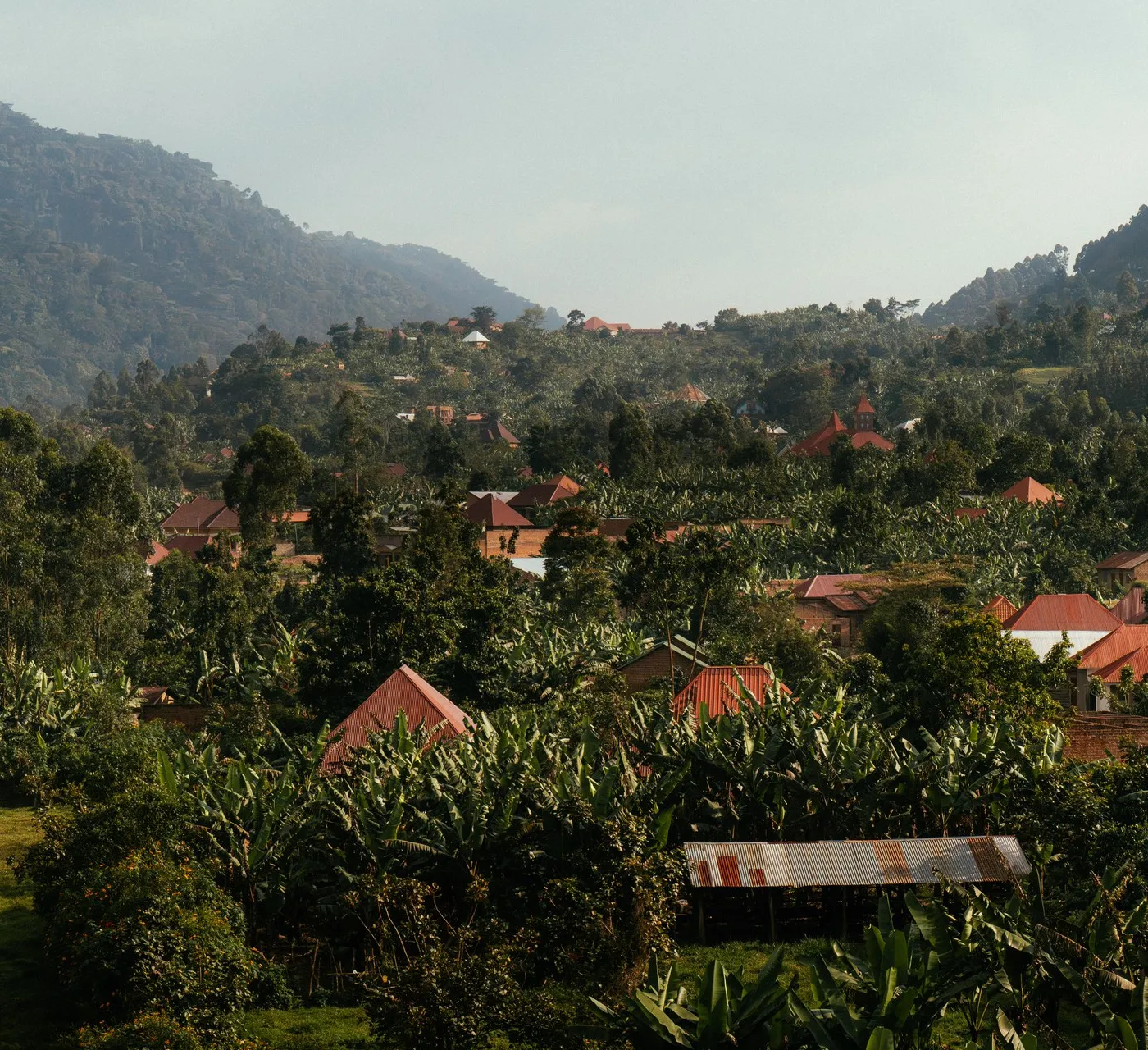
The approach into Buhoma on the October 2024 visit was in the late morning, when the mist had already burned off the lower hillsides but still hung in the forest above. The GPS at that point read coordinates placing us at the crest of the final ridge before the village. Below: terraced banana plantations, red paths cutting between farms, clusters of brick buildings, and at the far edge of everything, a wall of forest so dense and so dark that it looked less like trees than like a cliff.
That is Bwindi. That is where the gorillas live.
The Shape of the Valley
Buhoma is not a flat place. Nothing in the Kigezi Highlands is flat. The valley floor, such as it is, sits at around 1,500 metres above sea level, but the hills on all sides rise steeply, and the terrain between the road and the forest boundary involves constant ascent and descent. The gorilla trekking briefing point is close to the village centre, but the forest is already higher — you begin climbing before you even enter Bwindi.
What makes the landscape visually striking is the contrast between human and wild. The lower hillsides are intensively farmed — matoke plantations in geometric terraces, sorghum, sweet potato, beans, maize, and between the plots, the red of cultivated Ugandan earth. Above a certain elevation, the forest takes over completely and entirely, without transition. There is a line on the hillside where the banana ends and Bwindi begins, and that line is among the most consequential boundaries in African conservation — it marks where a UNESCO World Heritage Site meets one of the most densely populated rural areas in the world.
Morning Mist and First Light
The valley shows its best face in the early morning. By five-thirty, before the gorilla trekking briefing begins, the light is already changing — pale gold on the uppermost ridges while the valley floor is still in blue shadow. The mist that settles overnight in the low points between hills catches the first light in a way that turns the landscape into layers: dark hillside, bright mist, darker forest, pale sky.
It is the kind of landscape that rewards being awake for it. The lodges above Buhoma — perched on the hillside with views out over the valley and down to the forest — position their terraces for exactly this reason. You sit with tea in the cold morning air, watching the light work its way down the opposite hillside, and you understand why people come back to Buhoma. The gorillas are the reason to come the first time. The valley is part of the reason to return.
The Forest Wall
From anywhere in the valley, Bwindi is present. It dominates the eastern edge. On overcast days, the forest merges with the cloud and you cannot see where one ends and the other begins. On clear days, the canopy is a textured dark green that looks entirely different from the lighter green of the surrounding farmland — older, denser, heavier.
Bwindi Impenetrable National Park is one of Africa's oldest rainforests — it survived the ice age that devastated much of the continent's forest cover. Its trees are not the same as the trees you see anywhere else in East Africa. Many of its species are found nowhere else. The forest has been here for tens of thousands of years. When you look at it from the valley below, that age is somehow legible. Something about its density, its darkness, the way it seems to absorb light rather than reflect it. It does not look like a park. It looks like something that was here before parks existed and will be here after.
The Village in the Valley
Buhoma the village is small. A few hundred permanent residents, a handful of shops, a fuel pump, a health centre, the UWA gate, and a scattering of lodges and guesthouses on the hillsides above. Tourism has brought infrastructure — better roads into the valley, phone signal, electricity to some areas — but the village retains the character of a remote mountain community. The rhythms are agricultural. People walk. Water is carried. Fires are lit in the evenings.
What the valley holds, and what visitors who only come for gorilla trekking rarely see, is the daily life of a community that exists in genuine relationship with the forest and the mountain. Not as a brochure image — but as a reality. The people of Buhoma live alongside Bwindi the same way their parents and grandparents did, with the difference that international visitors now walk through their village on the way to see animals that for most of history were simply neighbours.
Daily Life in Buhoma
Morning to evening — the rhythms of a day in gorilla country.
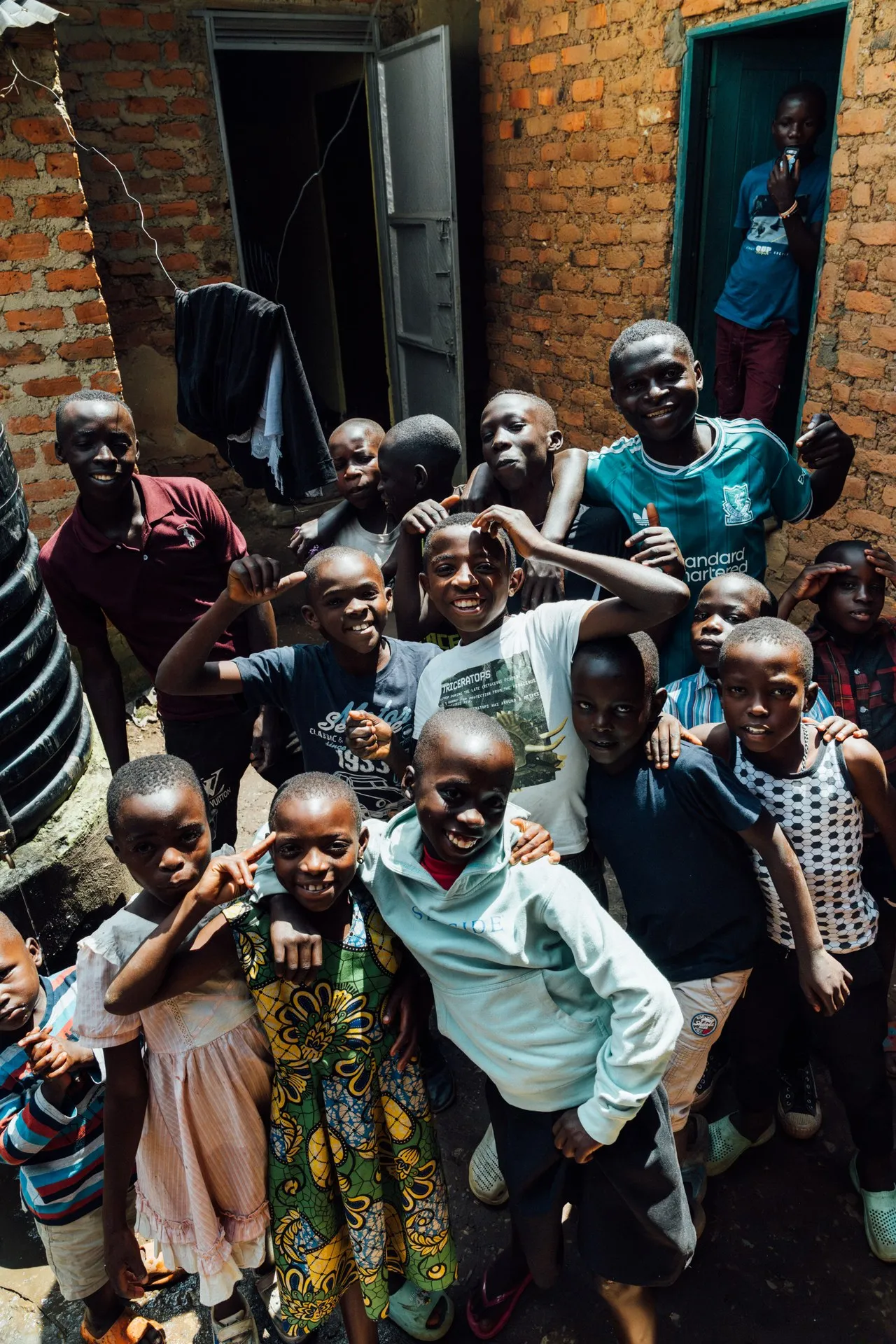
The Children of Buhoma
Growing up at the edge of the forest — the village through children's eyes.
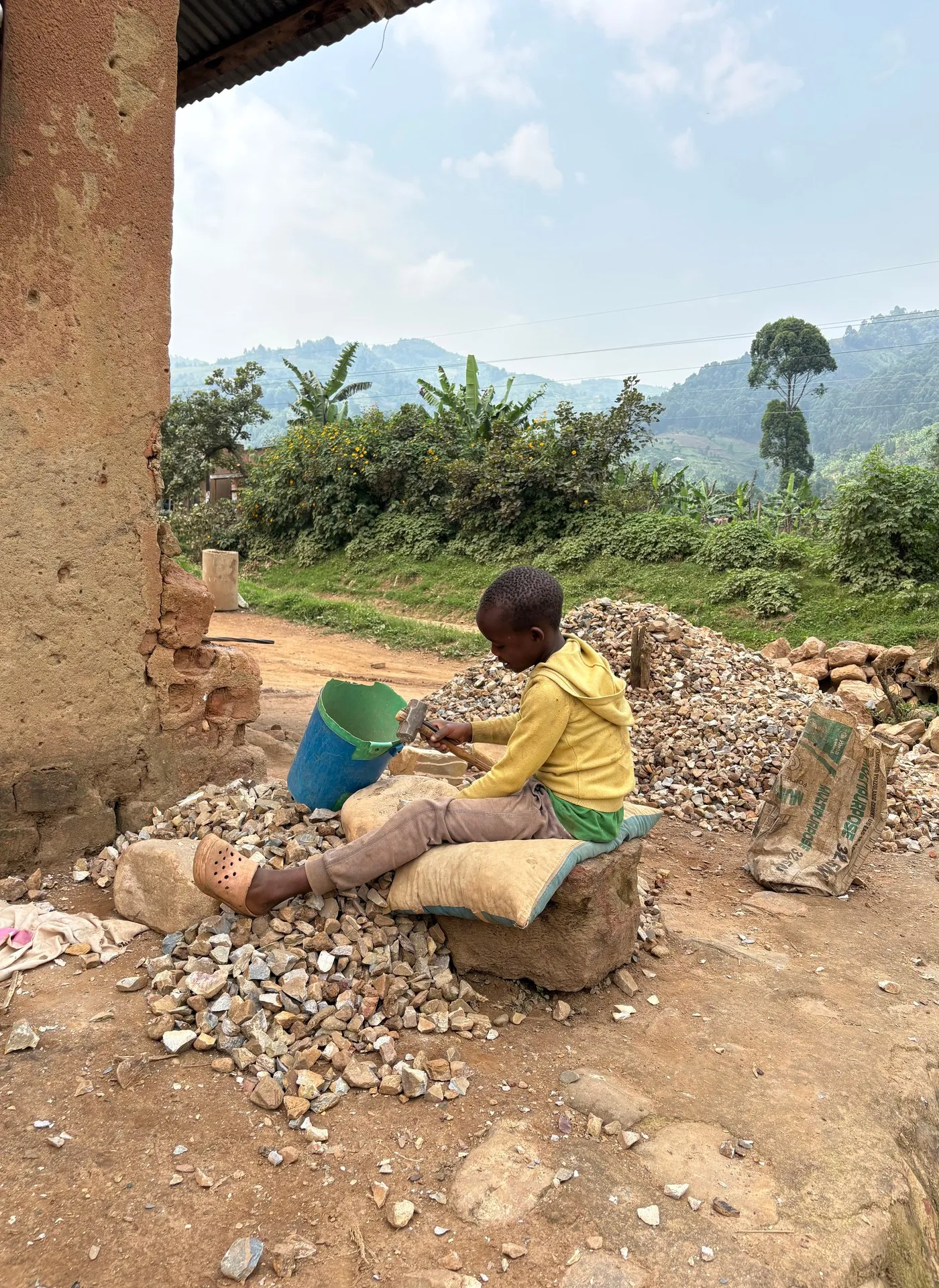
Roger the Stone Breaker
A 10-year-old boy, a hammer, and the weight of poverty in rural Uganda.
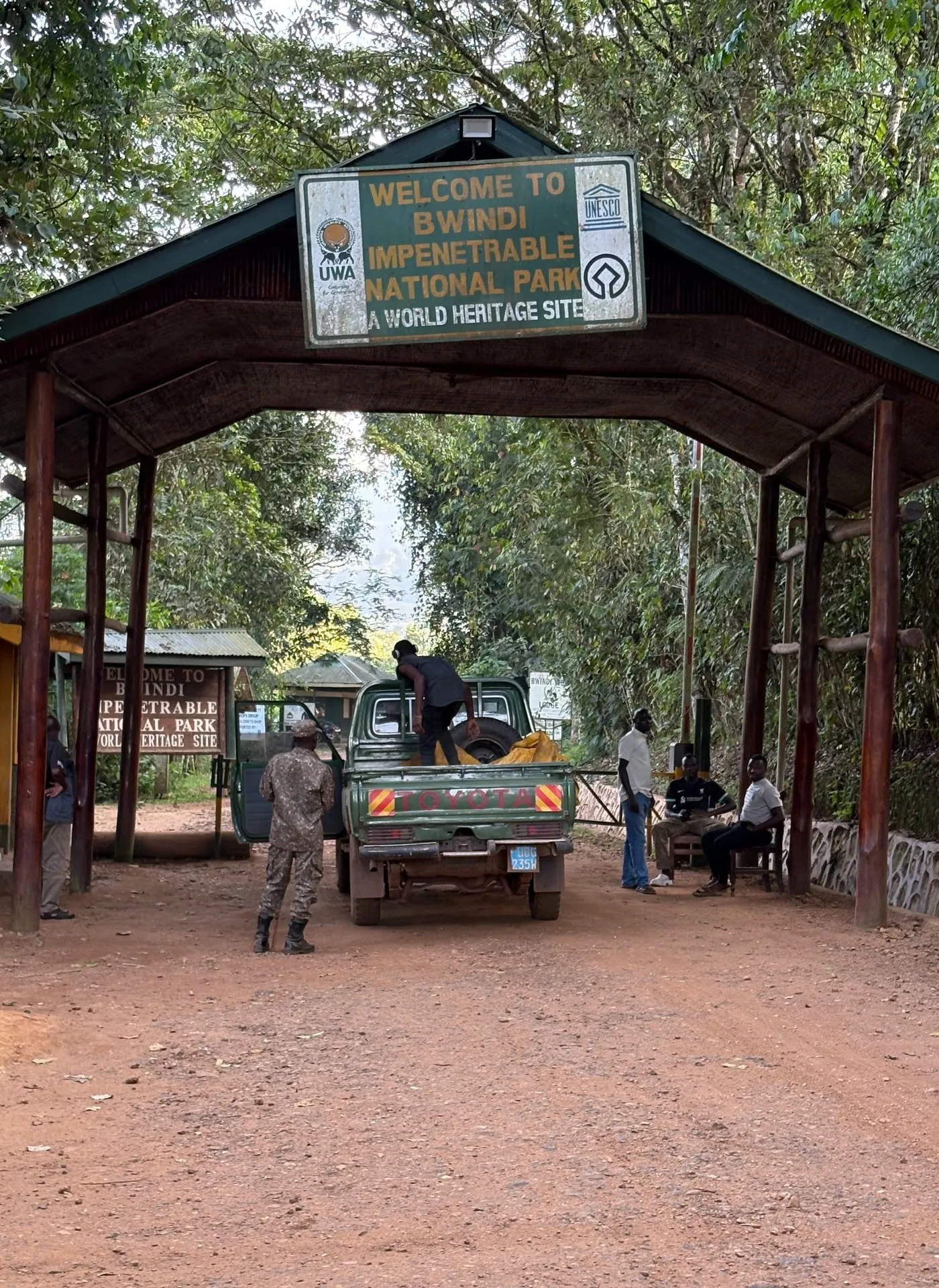
The Gate to Bwindi
A quiet morning at the entrance to one of Africa's most famous national parks.
The Valley — Landscape & Arrival FAQ
Last updated: September 2026